Schefflera Care Guide
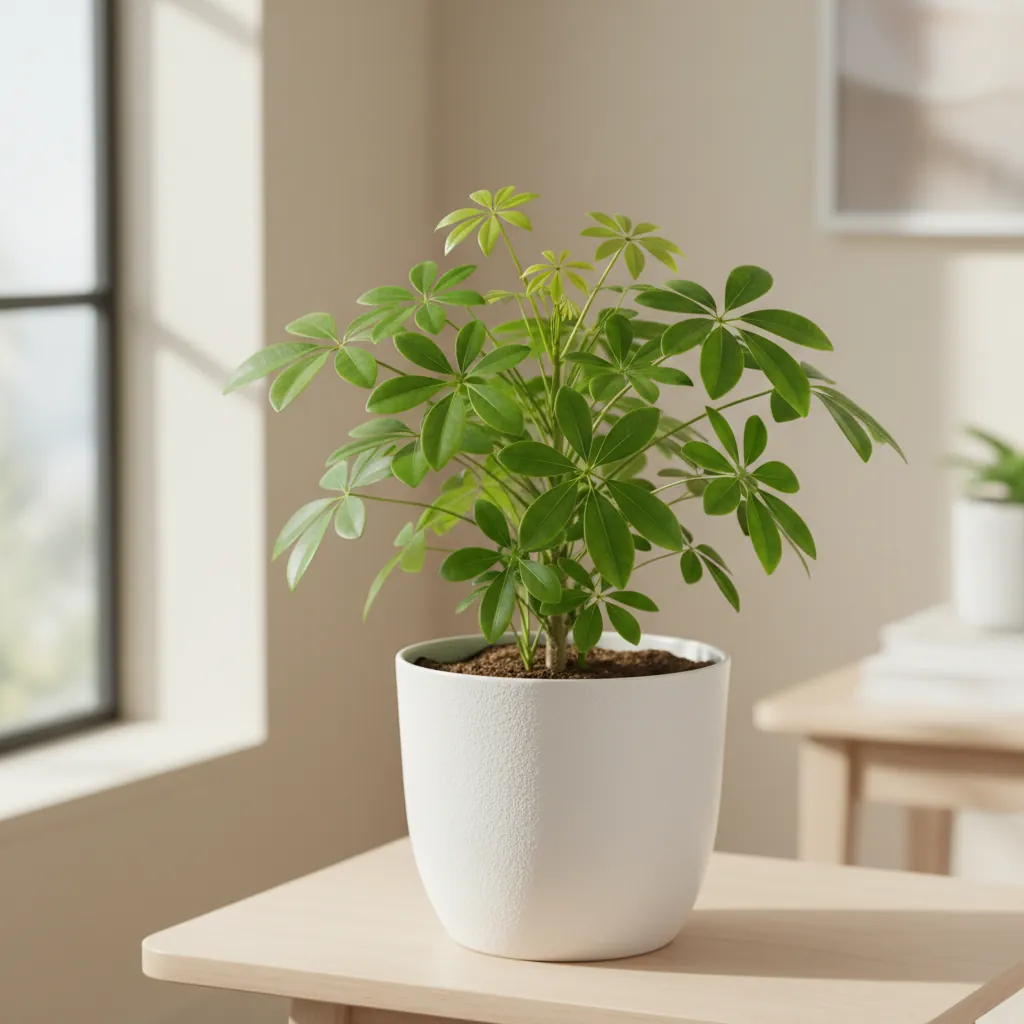
Schefflera Care Guide
Contents
- Quick Care Summary
- How Often Should I Water My Schefflera?
- What Kind of Light Does My Schefflera Need?
- What Soil Should I Use for My Schefflera?
- How Do I Propagate My Schefflera?
- What Are Common Problems with Schefflera?
The Schefflera, also known as the Umbrella Tree, is a popular houseplant prized for its lush, glossy foliage and tropical appeal. Its low-maintenance nature makes it a favorite among both beginners and experienced plant enthusiasts.
Quick Care Summary
- Light: Bright, indirect light (avoid direct sunlight).
- Water: Water when the top 1-2 inches of soil are dry; avoid overwatering.
- Humidity: Moderate to high humidity; mist occasionally or use a pebble tray.
- Temperature: 60°F–80°F (15°C–24°C); avoid cold drafts.
- Soil: Well-draining potting mix.
- Toxicity: Toxic to pets and humans if ingested.
How Often Should I Water My Schefflera?
Water your Schefflera when the top 1-2 inches of soil feel dry. Overwatering can lead to root rot, so ensure the pot has proper drainage and never let the plant sit in standing water. During winter, reduce watering frequency as growth slows.
What Kind of Light Does My Schefflera Need?
Scheffleras thrive in bright, indirect light. East- or west-facing windows are ideal. While they can tolerate lower light, insufficient light may cause leggy growth. Avoid direct sunlight, which can scorch the leaves.
What Soil Should I Use for My Schefflera?
Use a well-draining potting mix. A blend of peat moss, perlite, and compost works well. Ensure the pot has drainage holes to prevent waterlogging.
How Do I Propagate My Schefflera?
Schefflera propagation is best done through stem cuttings:
- Cut a healthy stem with at least 2-3 leaves.
- Dip the cut end in rooting hormone (optional).
- Place the cutting in water or moist soil.
- Keep it in a warm, bright spot until roots develop (2-4 weeks).
What Are Common Problems with Schefflera?
Yellow Leaves
- Cause: Overwatering or poor drainage.
- Solution: Adjust watering habits and ensure proper drainage.
Leaf Drop
- Cause: Sudden temperature changes or cold drafts.
- Solution: Keep the plant in a stable environment away from drafts.
Pests
- Common Pests: Spider mites, mealybugs, and aphids.
- Solution: Treat with insecticidal soap or neem oil and wipe leaves regularly.
Leggy Growth
- Cause: Insufficient light.
- Solution: Move the plant to a brighter location.
FAQ
Is Schefflera safe for pets?
No, Schefflera is toxic to pets and humans if ingested. Keep it out of reach of curious pets and children.
How often should I fertilize my Schefflera?
Fertilize every 4-6 weeks during the growing season (spring and summer) with a balanced liquid fertilizer. Reduce or stop fertilizing in fall and winter.
When should I repot my Schefflera?
Repot every 2-3 years or when the plant becomes root-bound. Choose a pot one size larger than the current one.
Can Schefflera grow in low light?
While Schefflera can tolerate lower light, it prefers bright, indirect light for optimal growth.
Related guides
- Chinese Evergreen Care Guide
- English Ivy Care Guide
- Fiddle Leaf Fig Care Guide
- Lucky Bamboo Care Guide
- Pilea Peperomioides Care Guide: How to Grow a Thriving Chinese Money Plant