care for oxalis plant
Contents
- Light
- Watering
- Humidity and Temperature
- Soil and Fertilizer
- Repotting
- Propagation
- 🩺 Common Problems
- 🐾 Pet Safety and Toxicity
- 💡 Care Tips
- ❓ FAQ
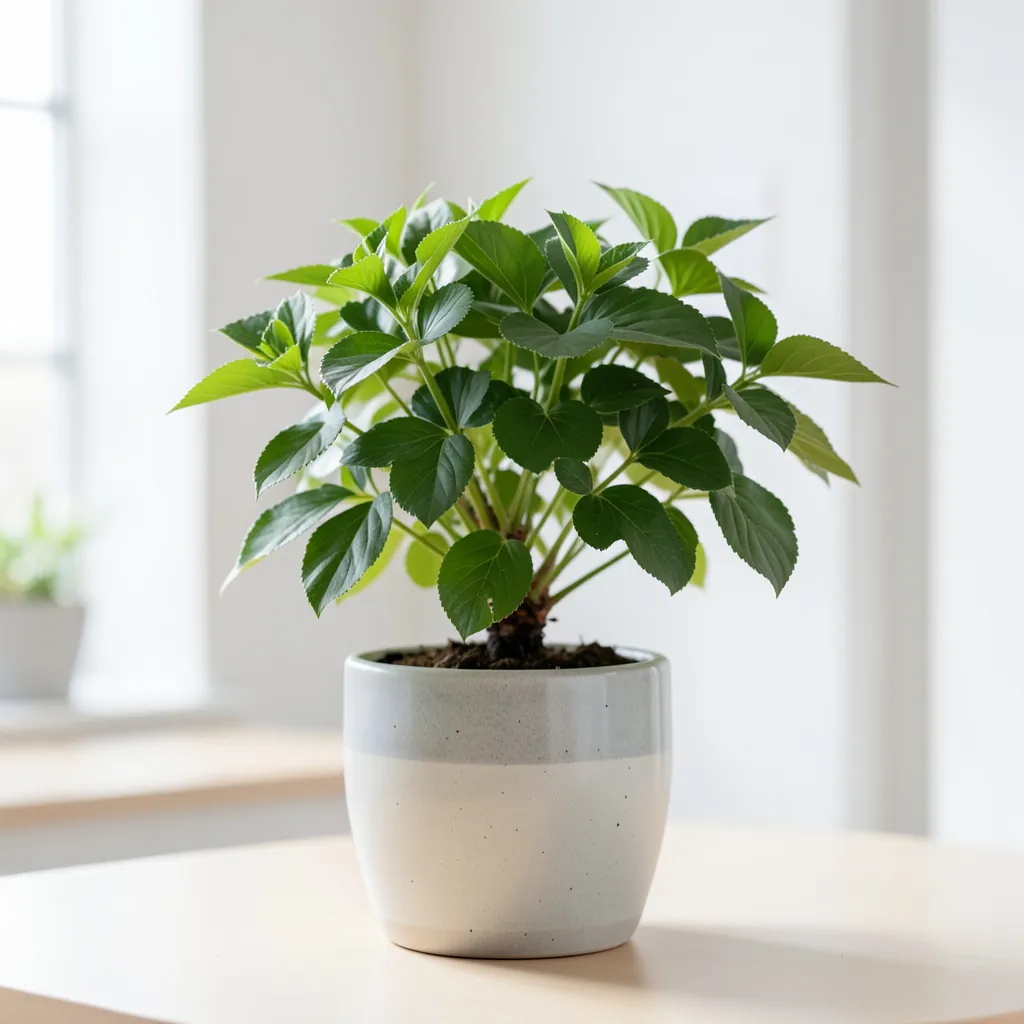
🪴 The Oxalis plant, often called the “false shamrock,” is a popular houseplant known for its clover-like leaves and delicate flowers. It thrives indoors due to its adaptability and low maintenance, making it a favorite for both beginners and experienced plant enthusiasts.
Light: Bright indirect
Water: When the top inch of soil is dry
Humidity: Average to high
Temperature: 65-80°F (18-27°C)
Soil: Well-draining
Difficulty: Easy
Toxicity: Toxic to cats and dogs
Mature Size: 6-12 inches
Light
How much light does an Oxalis plant need?
Oxalis prefers bright, indirect light. Place it near an east or west-facing window for optimal growth. Direct midday sun can scorch the leaves, while too little light causes pale, stretched growth. Purple-leaf varieties, like Oxalis triangularis, deepen their color with gentle morning or evening sun.
Watering
How often should I water my Oxalis plant?
Water when the top inch of soil feels dry. During active growth (spring and summer), keep the soil lightly moist but avoid overwatering. In dormancy (usually summer or winter), reduce watering significantly, allowing the soil to dry out almost completely.
Humidity and Temperature
What humidity and temperature are ideal for Oxalis?
Oxalis thrives in average to high humidity and temperatures between 65-80°F (18-27°C). Avoid prolonged exposure to heat above 80°F, as it can trigger dormancy. Cooler nighttime temperatures (15-25°F cooler) are beneficial.
Soil and Fertilizer
What type of soil and fertilizer should I use?
Use a well-draining potting mix, such as general houseplant soil with added perlite or grit. Fertilize monthly during active growth with a half-strength balanced fertilizer. Avoid fertilizing during dormancy.
Repotting
How do I repot my Oxalis plant?
- Repot in early spring when the plant exits dormancy.
- Gently remove the plant and separate the bulbs or rhizomes.
- Plant them 1-2 inches deep in fresh, well-draining soil.
- Water lightly and place in bright, indirect light.
Propagation
How do I propagate Oxalis?
- During dormancy or repotting, carefully separate the bulbs or rhizomes.
- Plant them 1-2 inches deep in fresh soil.
- Water lightly and place in bright, indirect light. New growth will emerge in a few weeks.
🩺 Common Problems
| Symptom | Cause | Fix |
|---|---|---|
| Yellow leaves | Overwatering or dormancy | Reduce watering; check if plant is dormant |
| Brown, crispy edges | Heat or underwatering | Move to cooler spot; water more consistently |
| Pale, stretched growth | Too little light | Move closer to a bright window |
| Mushy stems or rot | Overwatering | Let soil dry; repot in fresh, well-draining soil |
🐾 Pet Safety and Toxicity
Oxalis is toxic to cats and dogs due to soluble calcium oxalates, which can cause drooling, vomiting, and kidney damage if ingested. Keep it out of reach of pets.
💡 Care Tips
- Rotate the plant regularly for even growth.
- Avoid overwatering, especially during dormancy.
- Provide gentle morning or evening sun for purple-leaf varieties.
- Trim dead foliage to encourage new growth.
❓ FAQ
Is Oxalis toxic to cats and dogs?
Yes, Oxalis is toxic to cats and dogs due to soluble calcium oxalates. Keep it out of their reach.
How often should I water my Oxalis plant?
Water when the top inch of soil is dry. Reduce watering significantly during dormancy.
Why are my Oxalis leaves turning yellow?
Yellow leaves are often caused by overwatering or dormancy. Reduce watering and ensure proper care.
How much light does Oxalis need?
Bright, indirect light is ideal. Avoid direct midday sun, which can scorch the leaves.
How fast does Oxalis grow?
Oxalis grows moderately fast during active seasons, reaching its mature size of 6-12 inches in 1-2 years.
How do I propagate Oxalis?
Separate bulbs or rhizomes during dormancy or repotting and plant them in fresh soil.
Related guides
- Aglaonema Care Guide: How to Grow Chinese Evergreen Indoors
- The Best Fertilizer for Houseplants: A Comprehensive Guide
- Best LED Grow Lights for Indoor Plants: Full-Spectrum Options Tested
- Bird’s Nest Fern Care Guide
- Caladium Care Guide: How to Grow Vibrant Foliage Indoors