Aglaonema Care Guide: How to Grow Chinese Evergreen Indoors
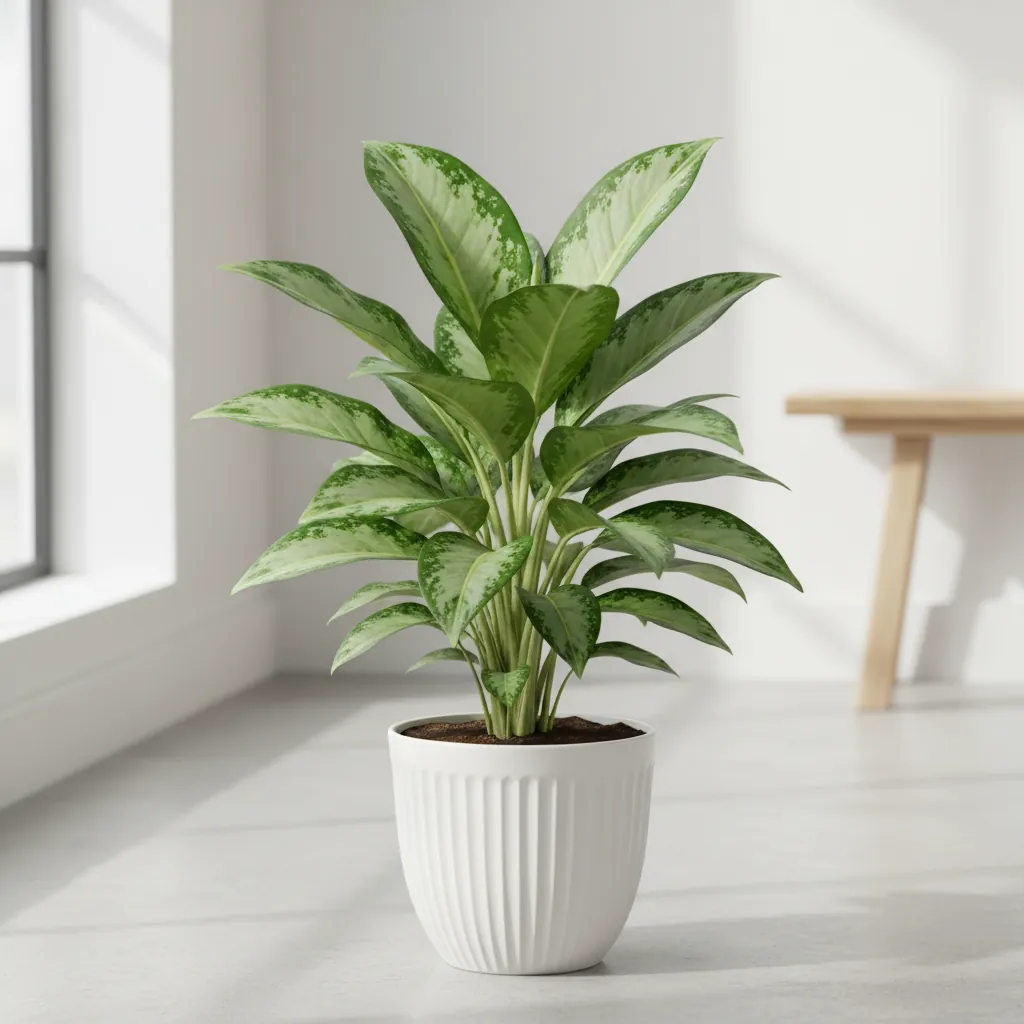
Aglaonema Care Guide: How to Grow Chinese Evergreen Indoors
Contents
- Quick Care Summary
- How Often Should I Water My Aglaonema?
- What Light Conditions Are Best for Aglaonema?
- What Soil and Potting Mix Should I Use?
- How Do I Propagate Aglaonema?
- What Are Common Aglaonema Problems?
Aglaonema, commonly known as Chinese evergreen, is a popular houseplant prized for its striking foliage and adaptability. Native to tropical Southeast Asia, it thrives in indirect light and requires minimal maintenance, making it ideal for beginners and experienced plant enthusiasts alike. With various cultivars offering unique leaf patterns and colors, aglaonema adds vibrant greenery to any indoor space.
Quick Care Summary
- Light: Bright, indirect light; tolerates low light
- Water: When the top 1–2 inches of soil are dry
- Humidity: Moderate; benefits from occasional misting
- Temperature: 65–85°F (18–27°C)
- Soil: Well-draining, moisture-retentive mix
- Toxicity: Toxic to pets and humans if ingested
How Often Should I Water My Aglaonema?
Water your aglaonema when the top 1–2 inches of soil feel dry. Ensure thorough watering, allowing excess water to drain to prevent root rot. Reduce watering frequency during winter when growth slows. Signs of overwatering include yellow leaves and soggy soil, while underwatering causes wilting and dry soil.
What Light Conditions Are Best for Aglaonema?
Aglaonema thrives in bright, indirect light but can tolerate low light. Variegated varieties benefit from medium light to maintain their vibrant colors. Avoid direct sunlight, which can scorch the leaves. Fluorescent lighting is also suitable, making it a great office plant.
What Soil and Potting Mix Should I Use?
Use a well-draining potting mix with ingredients like peat moss, perlite, and vermiculite. Ensure the pot has drainage holes to prevent waterlogging. Repot every 1–2 years or when roots outgrow the container, choosing a pot one size larger.
How Do I Propagate Aglaonema?
Aglaonema can be propagated through division or stem cuttings. For division, separate root clumps during repotting. For stem cuttings, ensure the cutting has at least one node and root it in water or soil. New roots typically develop within a few weeks.
What Are Common Aglaonema Problems?
Common issues include yellow leaves (overwatering), brown leaf tips (low humidity), and pests like spider mites or mealybugs. Treat pests with insecticidal soap and adjust watering and humidity as needed. Regularly inspect the plant for signs of infestation.
FAQ
Is aglaonema pet-friendly?
No, aglaonema is toxic to pets and humans if ingested. Keep it out of reach.
Can aglaonema grow in low light?
Yes, it tolerates low light but grows slower. Variegated varieties may lose color intensity in low light.
How often should I fertilize aglaonema?
Fertilize every 4–6 weeks during the growing season (spring and summer) with a balanced liquid fertilizer diluted to half strength.
Why are my aglaonema leaves drooping?
Drooping leaves may indicate underwatering, overwatering, or insufficient light. Check soil moisture and lighting conditions to diagnose the issue.
Should I mist my aglaonema?
Misting can help increase humidity, especially in dry indoor environments. Aim to mist once a week or use a humidifier.
Related guides
- Bird’s Nest Fern Care Guide
- Chinese Evergreen Care Guide
- English Ivy Care Guide
- Fiddle Leaf Fig Care Guide
- Lucky Bamboo Care Guide