The Best Fertilizer for Houseplants: A Comprehensive Guide
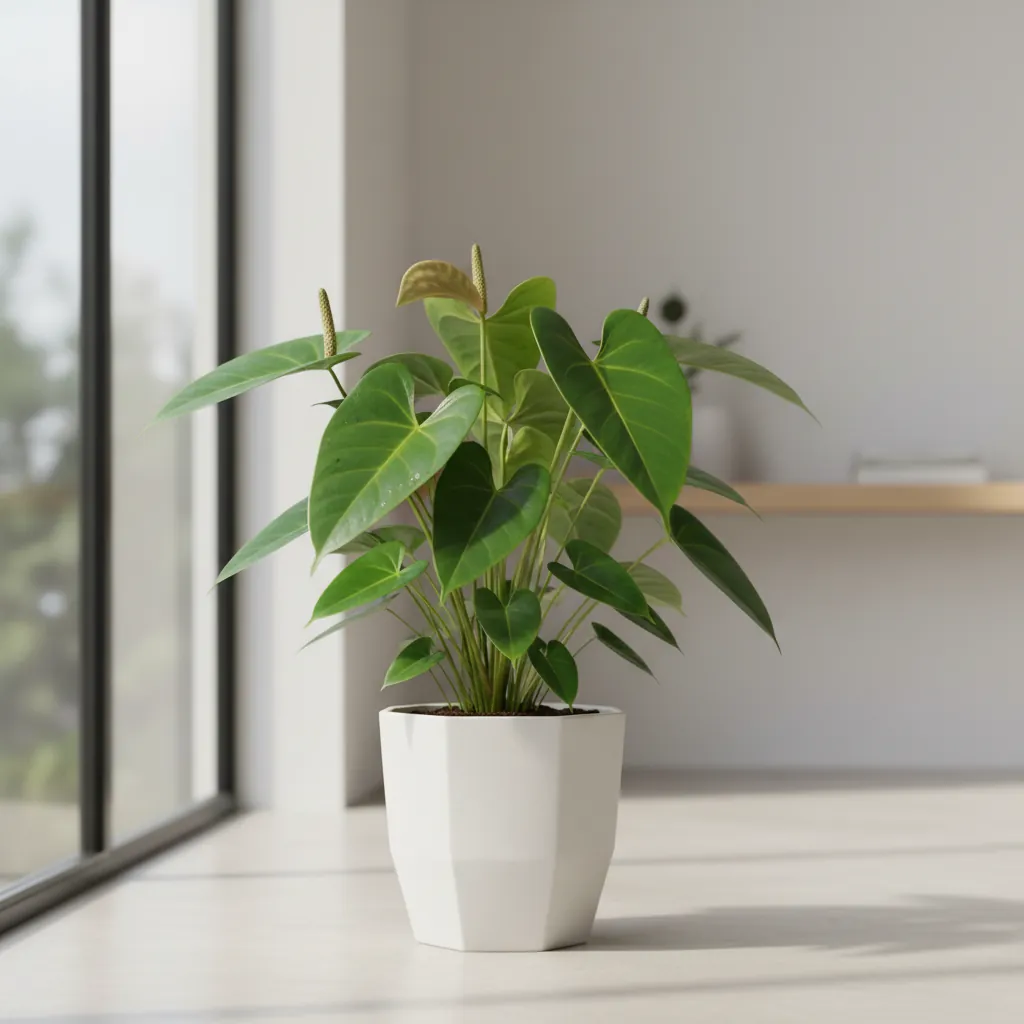
The Best Fertilizer for Houseplants: A Comprehensive Guide
Contents
- Quick Care Summary
- How to Choose the Best Fertilizer for Houseplants
- How to Use Fertilizer Correctly
- Best Fertilizers for Specific Houseplant Needs
- FAQs
Houseplants are a popular choice for adding greenery and improving indoor air quality. However, since they’re removed from their natural environment, they rely on fertilizer to replenish essential nutrients. The best fertilizer for houseplants depends on the plant type, growth stage, and season. Balanced, water-soluble formulas are ideal for most houseplants, while slow-release and specialty fertilizers cater to specific needs.
Quick Care Summary
- Light: Bright, indirect light for most houseplants.
- Water: Allow soil to dry slightly between waterings.
- Humidity: Moderate humidity (40-60%) suits most houseplants.
- Temperature: 65-75°F (18-24°C) is ideal.
- Soil: Well-draining potting mix.
- Toxicity: Research specific plants; some are toxic to pets.
How to Choose the Best Fertilizer for Houseplants
What are the main types of houseplant fertilizers?
Houseplant fertilizers come in three main types:
- Liquid: Mixed with water, applied every 1-2 weeks. Ideal for consistent feeding.
- Granular: Sprinkled on soil and mixed in, lasts 4-6 weeks. Best for repotting.
- Slow-release: Pellets or spikes release nutrients over 3-6 months. Low-maintenance option.
What NPK ratio is best for houseplants?
The NPK ratio (nitrogen-phosphorus-potassium) depends on the plant type:
- Balanced (e.g., 20-20-20): Supports overall health and growth.
- High nitrogen (e.g., 30-10-10): Encourages leafy growth.
- High phosphorus (e.g., 10-30-20): Boosts flowering and root development.
Organic vs. Synthetic Fertilizers
- Organic: Made from natural ingredients, gentler but slower-acting. Example: Ecofective Houseplant Feed.
- Synthetic: Concentrated and fast-acting but risks overfertilization. Example: Miracle-Gro Indoor Plant Food.
How to Use Fertilizer Correctly
When should I fertilize my houseplants?
- Active growth season (spring/summer): Fertilize monthly or per product instructions.
- Dormant season (fall/winter): Avoid fertilizing unless plants show growth.
How do I avoid overfertilization?
Overfertilization can cause burnt leaves, wilting, and root damage. Follow these tips:
- Dilute liquid fertilizers to half strength.
- Follow manufacturer guidelines for granular and slow-release formulas.
- Stop fertilizing if leaves turn brown or yellow.
Best Fertilizers for Specific Houseplant Needs
| Plant Type | Recommended Fertilizer | Key Benefits |
|---|---|---|
| General Houseplants | Miracle-Gro Indoor Plant Food | Balanced NPK (1-1-1), easy to use |
| Leafy Plants | JR Peters 20-20-20 | High nitrogen for lush foliage |
| Flowering Plants | Orchid Plus | High phosphorus for vibrant blooms |
| Cacti/Succulents | Schultz Cactus Plus (2-7-7) | Low nitrogen for sturdy growth |
| Orchids | Westland Orchid Feed Concentrate | Balanced NPK for orchids in organic compost |
FAQs
Q: Why do indoor plants need fertilizer?
Houseplants lack natural nutrient sources, so fertilizer replenishes essential macronutrients (NPK) and micronutrients.
Q: How often should I fertilize my houseplants?
Liquid fertilizers: Every 1-2 weeks. Granular: Every 4-6 weeks. Slow-release: Every 3-6 months.
Q: Can I use outdoor fertilizer for houseplants?
Outdoor fertilizers are often too strong for houseplants. Use products specifically formulated for indoor plants.
Q: Can overfertilization kill my plants?
Yes, overfertilization can cause root burn and damage. Always follow dosage instructions.
Q: Are coffee grounds a good fertilizer?
Coffee grounds are rich in nitrogen but can attract pests if not composted first.
Related guides
- Aglaonema Care Guide: How to Grow Chinese Evergreen Indoors
- Best LED Grow Lights for Indoor Plants: Full-Spectrum Options Tested
- Bird’s Nest Fern Care Guide
- Caladium Care Guide: How to Grow Vibrant Foliage Indoors
- care for oxalis plant