Care Guide for the Elephant Plant (Beaucarnea recurvata)
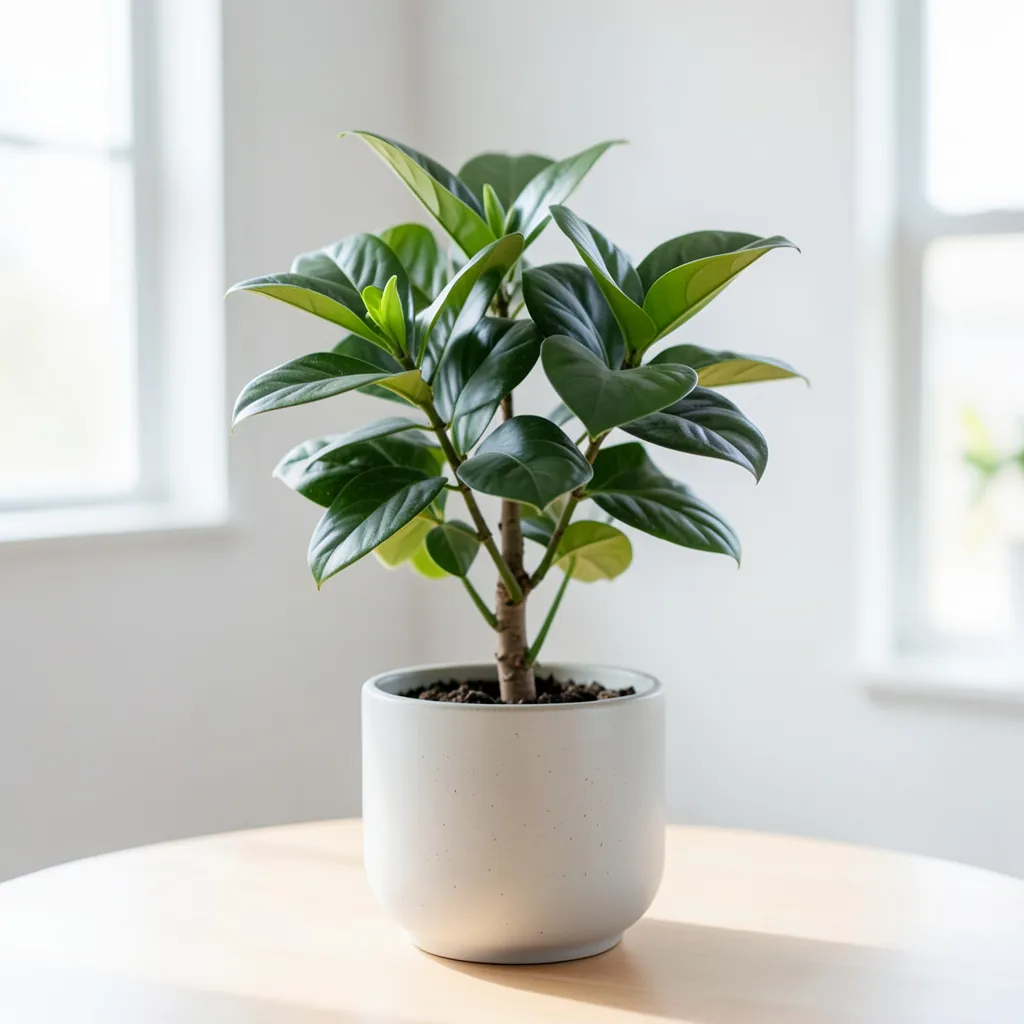
Care Guide for the Elephant Plant (Beaucarnea recurvata)
Contents
- Light
- Watering
- Humidity and Temperature
- Soil and Fertilizer
- Repotting
- Propagation
- 🩺 Common Problems
- 🐾 Pet Safety and Toxicity
- 💡 Care Tips
- ❓ FAQ
🪴 The Elephant Plant, scientifically known as Beaucarnea recurvata, is a popular indoor plant due to its unique, bulbous base and elegant, arching leaves. Often referred to as the “Ponytail Palm,” it’s prized for its low-maintenance care and striking appearance, making it a favorite for homes and offices.
Light: Bright indirect
Water: When the top inch of soil is dry
Humidity: Average to low
Temperature: 65-80°F (18-27°C)
Soil: Well-draining
Difficulty: Easy
Toxicity: Toxic to cats and dogs
Mature Size: 2-3 ft
Light
What kind of light does the Elephant Plant need?
The Elephant Plant thrives in bright indirect light but can tolerate some direct sunlight. Avoid placing it in full, harsh sun, as this can scorch the leaves. Signs of too much light include brown or crispy leaf tips, while insufficient light may cause slow growth or pale leaves.
Watering
How often should I water the Elephant Plant?
Water when the top inch of soil feels dry, typically every 1-2 weeks. In winter, reduce watering to every 3-4 weeks, as the plant enters a dormancy phase. Overwatering can lead to root rot, signaled by yellowing leaves or a mushy base. Always ensure the pot has drainage holes to prevent waterlogging.
Humidity and Temperature
What are the ideal humidity and temperature conditions?
The Elephant Plant prefers average to low humidity and temperatures between 65-80°F (18-27°C). It can tolerate cooler temperatures down to 50°F (10°C) but should be protected from drafts or sudden temperature changes.
Soil and Fertilizer
What type of soil and fertilizer should I use?
Use a well-draining cactus or succulent mix, or create your own blend with potting soil, sand, and perlite. Fertilize sparingly with a balanced liquid fertilizer once in spring and once in summer. Avoid fertilizing in winter when the plant is dormant.
Repotting
When and how should I repot the Elephant Plant?
- Repot every 2-3 years or when the roots outgrow the pot.
- Choose a pot that is slightly larger with drainage holes.
- Gently remove the plant and shake off excess soil.
- Place it in the new pot with fresh, well-draining soil.
- Water lightly and allow it to settle in a shaded area for a few days.
Propagation
How can I propagate the Elephant Plant?
Propagation is typically done through offsets (baby plants):
- Carefully remove the offset from the base of the parent plant.
- Let the offset dry for a day to callus over.
- Plant it in a pot with well-draining soil.
- Water sparingly until roots establish.
🩺 Common Problems
| Symptom | Cause | Fix |
|---|---|---|
| Yellow leaves | Overwatering or root rot | Check drainage, reduce watering |
| Drooping leaves | Underwatering | Water thoroughly |
| Brown/crispy tips | Too much direct sunlight | Move to bright indirect light |
| Leaves curling | Low humidity or underwatering | Increase humidity or water more |
| Mushy base/roots | Root rot | Repot in fresh soil, trim rotten roots |
| Slow growth | Insufficient light or nutrients | Move to brighter light, fertilize |
🐾 Pet Safety and Toxicity
The Elephant Plant is toxic to cats and dogs if ingested. Symptoms include vomiting, drooling, or lethargy. Keep it out of reach of pets or opt for pet-safe plants if you have curious animals.
💡 Care Tips
- Rotate the plant occasionally to ensure even growth.
- Wipe the leaves with a damp cloth to remove dust.
- Avoid placing it near heating vents or cold drafts.
- Water sparingly—this plant is drought-tolerant.
- Repot infrequently, as it prefers being slightly root-bound.
❓ FAQ
Q: Is the Elephant Plant toxic to cats and dogs?
A: Yes, it is toxic if ingested. Keep it away from pets.
Q: How often should I water the Elephant Plant?
A: Water when the top inch of soil is dry, typically every 1-2 weeks.
Q: Why are the leaves turning yellow?
A: Overwatering is the most common cause. Check drainage and reduce watering frequency.
Q: How much light does the Elephant Plant need?
A: It thrives in bright indirect light but can tolerate some direct sun.
Q: How fast does the Elephant Plant grow?
A: It grows slowly, reaching 2-3 feet indoors over several years.
Q: Can I propagate the Elephant Plant?
A: Yes, propagate using offsets from the base of the plant.
Related guides
- Aglaonema Care Guide: How to Grow Chinese Evergreen Indoors
- The Best Fertilizer for Houseplants: A Comprehensive Guide
- Best LED Grow Lights for Indoor Plants: Full-Spectrum Options Tested
- Bird’s Nest Fern Care Guide
- Caladium Care Guide: How to Grow Vibrant Foliage Indoors