🪴 Monstera Plant Pruning Guide
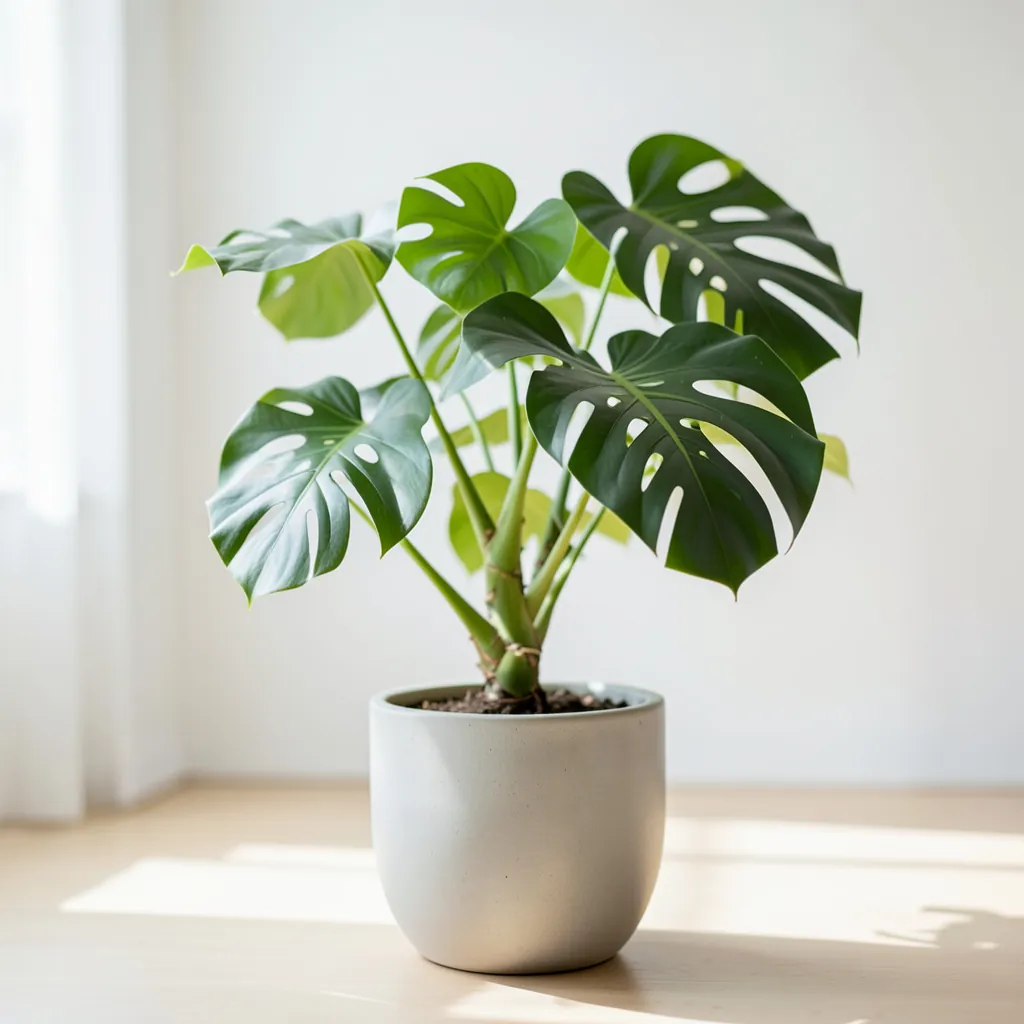
🪴 Monstera Plant Pruning Guide
Contents
- When Should I Prune My Monstera?
- How Do I Prune My Monstera?
- How Much Should I Prune?
- How Can I Encourage Healthy Growth After Pruning?
- 🩺 Common Problems
- 🐾 Pet Safety and Toxicity
- 💡 Care Tips
- ❓ FAQ
Monsteras, also known as Swiss cheese plants, are beloved for their striking, holey leaves and tropical aesthetic. Pruning is essential to maintain their health, encourage growth, and keep them looking tidy. This guide covers everything you need to know about pruning your Monstera plant.
Light: Bright indirect
Water: When the top inch of soil is dry
Humidity: Average to high
Temperature: 65-80°F (18-27°C)
Soil: Well-draining
Difficulty: Easy
Toxicity: Toxic to cats and dogs
Mature Size: 2-3 ft
When Should I Prune My Monstera?
Prune your Monstera during its active growth periods in spring or summer for the best results. For established plants, remove dead or diseased leaves in early spring or late winter before new growth appears. Indoors, pruning can be done year-round, but avoid excessive pruning during dormancy.
How Do I Prune My Monstera?
- Gather Tools: Use sharp, sterile pruning shears and wear gloves to protect your skin from the plant’s sap.
- Identify Targets: Remove dead, damaged, or diseased leaves and stems.
- Make Clean Cuts: Cut stems just above a leaf node at a 45-degree angle to encourage new growth.
- Trim Vines: For size control, cut vine tops just above a node to promote bushier growth.
- Propagate (optional): Save cuttings with at least one node to root in water or soil for new plants.
How Much Should I Prune?
Avoid pruning more than one-third of the plant at a time to prevent stress. Regular light trimming is better than extensive pruning in one session.
How Can I Encourage Healthy Growth After Pruning?
Ensure your Monstera receives bright indirect light, consistent watering, and monthly fertilization during the growing season. Monitor humidity levels and maintain temperatures between 65-80°F (18-27°C).
🩺 Common Problems
| Symptom | Cause | Fix |
|---|---|---|
| Yellow leaves | Overwatering or poor drainage | Reduce watering; check soil drainage |
| Brown/crispy tips | Low humidity or underwatering | Increase humidity; water regularly |
| Drooping leaves | Underwatering or root rot | Adjust watering; check roots |
| Leaves curling | Low humidity or pests | Increase humidity; inspect for pests |
| Mushy stems/roots | Overwatering or root rot | Trim affected areas; repot in fresh soil |
| Slow/no growth | Lack of light or nutrients | Move to brighter spot; fertilize |
🐾 Pet Safety and Toxicity
Monstera plants are toxic to cats and dogs due to calcium oxalate crystals in their sap. Keep them out of reach of pets or opt for pet-safe plants if you have animals at home.
💡 Care Tips
- Rotate Regularly: Turn your Monstera periodically to ensure even growth.
- Clean Leaves: Wipe leaves with a damp cloth to remove dust and improve photosynthesis.
- Avoid Overwatering: Let the top inch of soil dry out before watering.
- Support Growth: Use a moss pole or trellis to encourage climbing and aerial root development.
- Monitor Pests: Check for pests like spider mites or mealybugs regularly.
❓ FAQ
Q: Is Monstera toxic to cats and dogs?
A: Yes, Monstera plants are toxic to both cats and dogs.
Q: How often should I water my Monstera?
A: Water when the top inch of soil is dry, typically every 1-2 weeks.
Q: Why are my Monstera leaves turning yellow?
A: Yellow leaves are usually caused by overwatering or poor drainage.
Q: How much light does a Monstera need?
A: Monsteras thrive in bright indirect light.
Q: How fast does a Monstera grow?
A: Monsteras grow moderately fast, adding 1-2 feet per year in optimal conditions.
Q: Can I propagate Monstera from cuttings?
A: Yes, cuttings with at least one node can be rooted in water or soil.
Related guides
- Aglaonema Care Guide: How to Grow Chinese Evergreen Indoors
- The Best Fertilizer for Houseplants: A Comprehensive Guide
- Best LED Grow Lights for Indoor Plants: Full-Spectrum Options Tested
- Bird’s Nest Fern Care Guide
- Caladium Care Guide: How to Grow Vibrant Foliage Indoors