Polka Dot Plant Care Guide
Polka Dot Plant Care Guide
Contents
- Quick Care Summary
- How Much Water Does a Polka Dot Plant Need?
- Where Should I Place My Polka Dot Plant for Proper Light?
- What Soil is Best for Polka Dot Plants?
- How Do I Propagate a Polka Dot Plant?
- What Are Common Problems with Polka Dot Plants?
- Polka Dot Plant FAQ
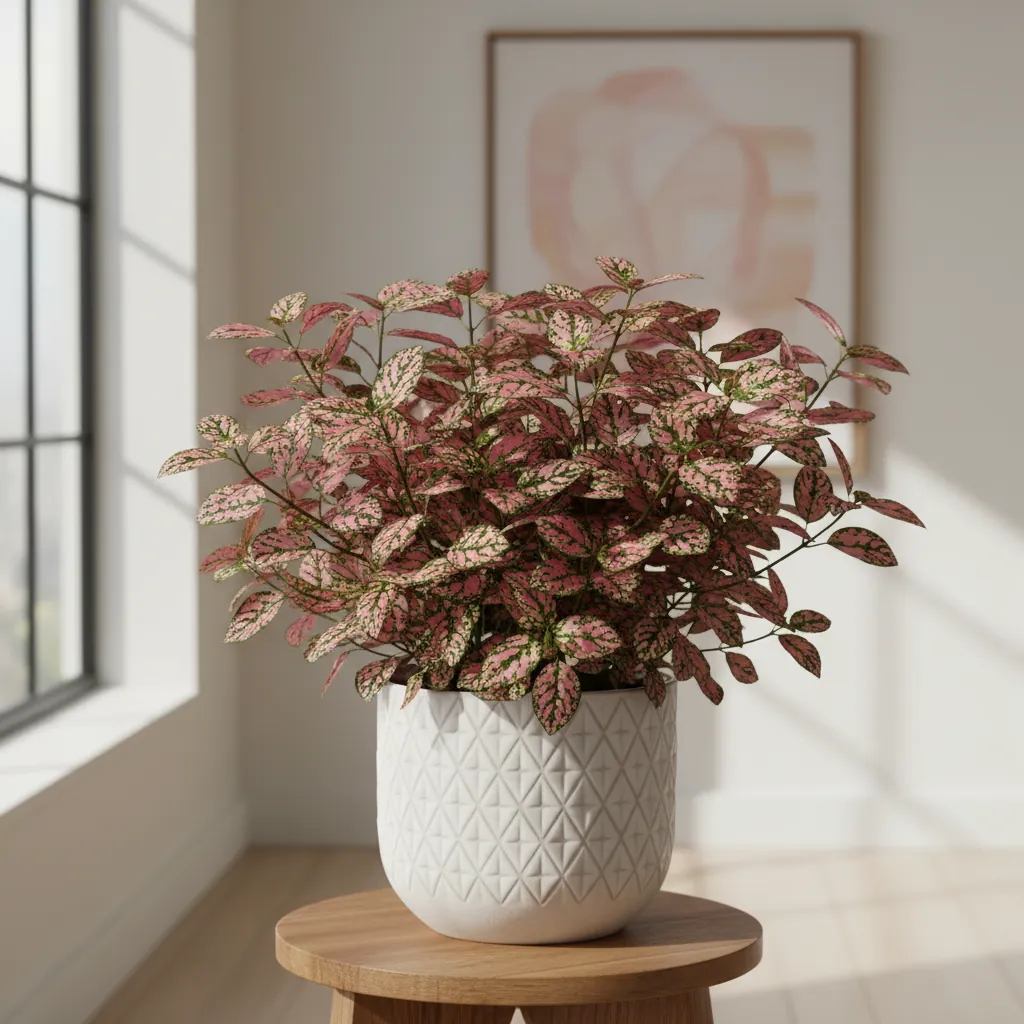
The polka dot plant (Hypoestes phyllostachya) is a vibrant, eye-catching houseplant known for its speckled foliage in shades of pink, red, white, or green. Native to Madagascar, this tropical plant is popular for its colorful leaves and versatility, thriving both indoors and outdoors in warm climates. It’s an excellent choice for terrariums, containers, or as a decorative accent in shaded gardens.
Quick Care Summary
- Light: Bright, indirect light (avoid direct sun).
- Water: Keep soil consistently moist, but not soggy.
- Humidity: High humidity (50% or higher).
- Temperature: Warm (65-75°F or 18-24°C).
- Soil: Well-draining, rich potting mix.
- Toxicity: Non-toxic and pet-safe.
How Much Water Does a Polka Dot Plant Need?
Polka dot plants prefer consistently moist soil but are prone to root rot if overwatered. Water when the top inch of soil feels dry to the touch. Reduce watering frequency in winter when growth slows. Avoid letting the soil dry out completely, as this can cause wilting and leaf drop.
Where Should I Place My Polka Dot Plant for Proper Light?
Place your polka dot plant in bright, indirect light, such as near an east- or north-facing window. Too much direct sunlight can fade its vibrant leaf patterns, while insufficient light may cause leggy growth. If grown outdoors, choose a spot with partial shade or dappled sunlight.
What Soil is Best for Polka Dot Plants?
Use a well-draining potting mix rich in organic matter, such as peat moss or leaf mold. Adding perlite or pumice can improve drainage. Ensure your pot has drainage holes to prevent waterlogging. Repot annually in spring to refresh the soil and accommodate growth.
How Do I Propagate a Polka Dot Plant?
Polka dot plants are easily propagated through stem cuttings:
- Take a 3-4 inch cutting just below a leaf node.
- Remove the lower leaves and place the cutting in water or moist potting mix.
- Roots will develop in 2-3 weeks. Once established, transplant into soil.
What Are Common Problems with Polka Dot Plants?
- Leggy Growth: Caused by insufficient light. Prune regularly to encourage bushiness.
- Yellow Leaves: Often due to overwatering or poor drainage. Check soil and adjust watering.
- Pests: Watch for aphids, spider mites, and mealybugs. Treat with insecticidal soap or neem oil.
- Leaf Fading: Can result from too much direct sunlight or low humidity. Adjust light and mist regularly.
Polka Dot Plant FAQ
Is the polka dot plant toxic to pets?
No, the polka dot plant is non-toxic and safe for pets.
How do I keep my polka dot plant bushy?
Pinch back the top leaves regularly and prune leggy stems to encourage fuller growth.
Can I grow a polka dot plant outdoors?
Yes, but only in warm climates (USDA zones 10-11). Plant in partial shade and protect from direct sun.
How often should I fertilize my polka dot plant?
Fertilize every 2-4 weeks during the growing season with a balanced, water-soluble fertilizer diluted to half strength. Reduce feeding in winter.
By following these care tips, your polka dot plant will thrive, adding a splash of color to your indoor or outdoor space.
Related guides
- Chinese Evergreen Care Guide
- English Ivy Care Guide
- Fiddle Leaf Fig Care Guide
- Lucky Bamboo Care Guide
- Pilea Peperomioides Care Guide: How to Grow a Thriving Chinese Money Plant