Pink Princess Philodendron Care Guide
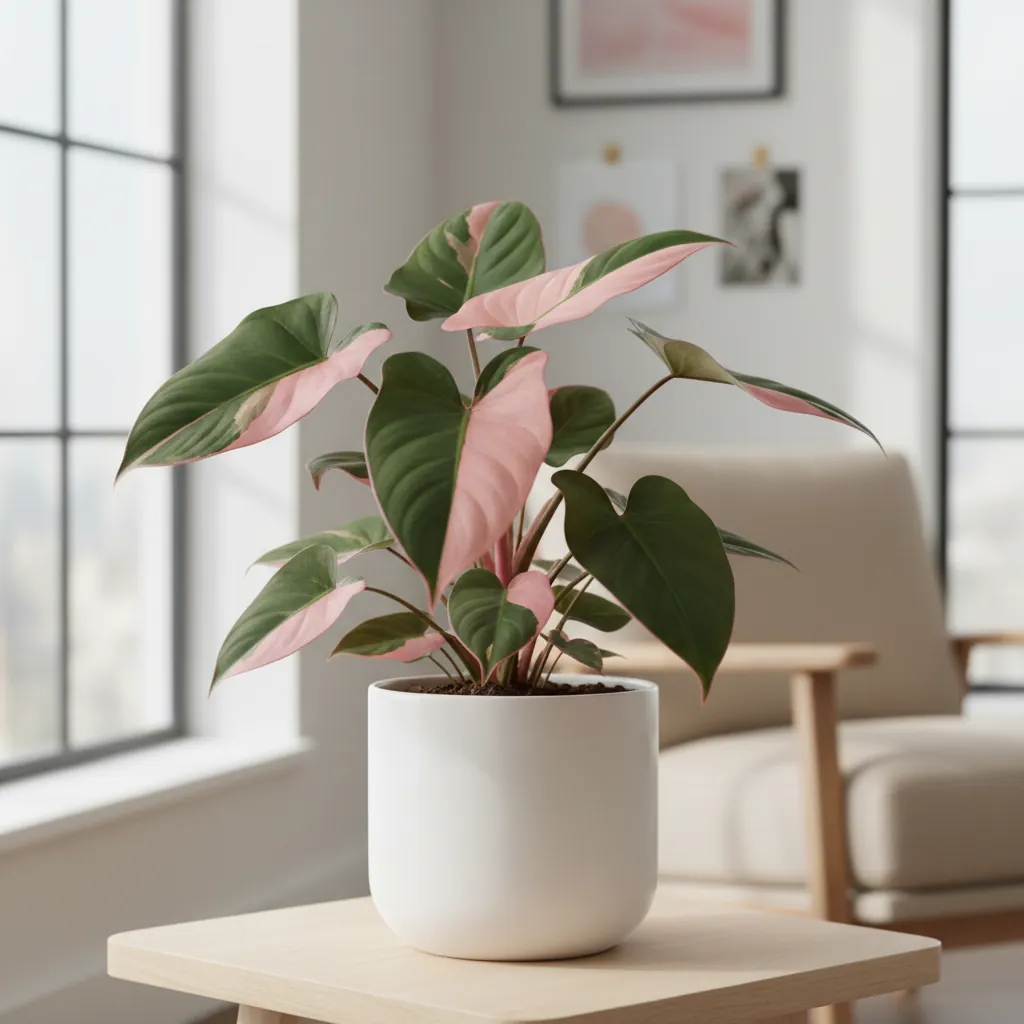
Pink Princess Philodendron Care Guide
Contents
- Quick Care Summary
- How Often Should I Water My Pink Princess Philodendron?
- What Light Conditions Are Best for Pink Princess Philodendron?
- What Soil Is Best and How Often Should I Repot?
- How Do I Propagate Pink Princess Philodendron?
- What Are Common Problems and How Do I Fix Them?
- Can Pink Princess Philodendron Grow in Low Humidity?
- Is Pink Princess Philodendron Pet-Safe?
- Frequently Asked Questions
The Philodendron ‘Pink Princess’ is a stunning tropical houseplant prized for its variegated foliage, featuring deep green leaves splashed with vibrant pink. Its striking appearance and relatively easy care make it a favorite among indoor plant enthusiasts.
Quick Care Summary
- Light: Bright, indirect light; avoid direct sun
- Water: Keep soil moist but not waterlogged; water when the top inch is dry
- Humidity: Moderate to high (50-70%)
- Temperature: 18-26°C (65-80°F); avoid cold drafts
- Soil: Well-draining, fertile loamy soil
- Toxicity: Toxic to pets and humans if ingested
How Often Should I Water My Pink Princess Philodendron?
Water your Pink Princess philodendron when the top inch of soil feels dry. Ensure the pot has proper drainage to prevent waterlogging, which can lead to root rot. Reduce watering frequency during winter when growth slows. Regularly check soil moisture to maintain consistent hydration without overwatering.
What Light Conditions Are Best for Pink Princess Philodendron?
Place your Pink Princess in bright, indirect light to maintain vibrant pink variegation. East-facing windows are ideal. Avoid direct sunlight, which can scorch the leaves. Insufficient light may cause the leaves to lose their pink coloration and turn darker green.
What Soil Is Best and How Often Should I Repot?
Use a well-draining, fertile soil mix, such as loam or peat-free houseplant compost. Repot every 2-3 years or when the plant becomes root-bound. Choose a pot one size larger to allow for growth, and ensure it has drainage holes to prevent waterlogging.
How Do I Propagate Pink Princess Philodendron?
Propagate via stem cuttings in early summer:
- Cut a healthy stem with at least one leaf and one node.
- Dip the cutting in rooting hormone.
- Place in water or moist soil, ensuring high humidity by covering with a plastic bag.
- Roots typically develop in 4-5 weeks.
What Are Common Problems and How Do I Fix Them?
- Yellow leaves: Often due to overwatering or poor drainage. Adjust watering habits and ensure proper drainage.
- Brown leaf tips: Indicates low humidity or underwatering. Increase humidity with a humidifier or pebble tray.
- Pests: Rarely affected, but watch for spider mites or mealybugs. Treat with insecticidal soap.
- Loss of variegation: Caused by insufficient light. Move the plant to a brighter location.
Can Pink Princess Philodendron Grow in Low Humidity?
While it can tolerate average humidity, the Pink Princess thrives in moderate to high humidity (50-70%). Increase humidity by misting, using a humidifier, or placing the plant near other tropical plants. Low humidity may cause brown edges on the leaves.
Is Pink Princess Philodendron Pet-Safe?
No, the Pink Princess philodendron is toxic to pets and humans if ingested. It can also cause skin irritation. Keep it out of reach of pets and children, and wear gloves when handling or pruning.
Frequently Asked Questions
Why is my Pink Princess Philodendron losing its pink color?
Insufficient light is the primary cause. Move the plant to a brighter location with indirect light to restore pink variegation.
How fast does Pink Princess Philodendron grow?
It grows at a moderate rate, reaching up to 1.5 meters in height with proper care. Regular fertilization during the growing season can encourage faster growth.
Can I prune my Pink Princess Philodendron?
Yes, pruning encourages bushier growth. Trim just above a variegated leaf to maintain balanced variegation and remove leggy stems.
Is Pink Princess Philodendron hard to care for?
No, it’s relatively easy to care for as long as you provide bright, indirect light, moderate humidity, and consistent watering.
Related guides
- Aglaonema Care Guide: How to Grow Chinese Evergreen Indoors
- The Best Fertilizer for Houseplants: A Comprehensive Guide
- Best LED Grow Lights for Indoor Plants: Full-Spectrum Options Tested
- Bird’s Nest Fern Care Guide
- Caladium Care Guide: How to Grow Vibrant Foliage Indoors