pilea peperomioides plant care
Contents
- Light
- Watering
- Humidity and Temperature
- Soil and Fertilizer
- Repotting
- Propagation
- 🩺 Common Problems
- 🐾 Pet Safety and Toxicity
- 💡 Care Tips
- ❓ FAQ
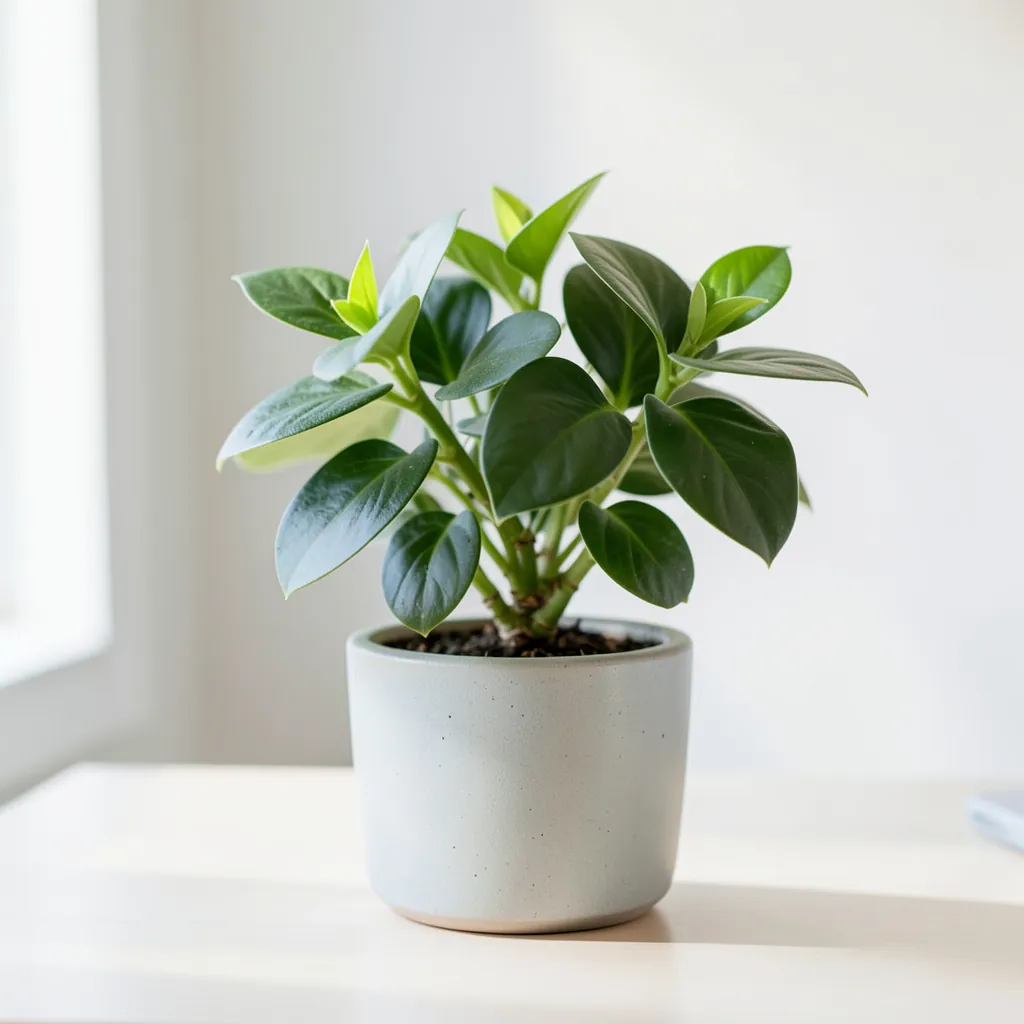
🪴 Pilea peperomioides, commonly known as the Chinese Money Plant or Pancake Plant, is a popular indoor houseplant known for its unique round, coin-like leaves and easy-care nature. It’s a favorite among plant enthusiasts for its quirky appearance and reputation for bringing good luck and fortune.
Light: Bright indirect
Water: When the top inch of soil is dry
Humidity: Average to high
Temperature: 65-80°F (18-27°C)
Soil: Well-draining
Difficulty: Easy
Toxicity: Pet-safe (non-toxic to cats and dogs)
Mature Size: 2-3 ft
Light
How much light does Pilea peperomioides need?
Pilea peperomioides thrives in bright, indirect light. Place it near a north-, east-, or west-facing window, or a few feet back from a south-facing window to avoid direct sunlight, which can scorch the leaves.
Signs of too much or too little light
- Too much light: Leaves may develop brown, crispy edges or appear sunburned.
- Too little light: The plant may become leggy, with stretched-out stems and small leaves.
Watering
How often should I water Pilea peperomioides?
Water when the top inch of soil feels dry. Overwatering can lead to root rot, so ensure the pot has proper drainage and avoid letting the plant sit in water.
Seasonal watering differences
- Spring/Summer: Water more frequently, as the plant is actively growing.
- Fall/Winter: Reduce watering, allowing the soil to dry out more between waterings.
Signs of overwatering
Yellowing leaves, mushy stems, or a foul smell from the soil are signs of overwatering or root rot.
Humidity and Temperature
What humidity and temperature does Pilea peperomioides prefer?
Pilea peperomioides prefers average to high humidity and a temperature range of 65-80°F (18-27°C).
Tips for maintaining humidity
- Place the plant on a tray filled with pebbles and water.
- Avoid cold drafts and sudden temperature changes.
Soil and Fertilizer
What type of soil is best for Pilea peperomioides?
Use a well-draining potting mix, such as a standard houseplant soil mixed with perlite or sand to improve drainage.
How should I fertilize Pilea peperomioides?
Fertilize monthly during the growing season (spring and summer) with a balanced liquid fertilizer, diluted to half strength. Reduce or stop fertilizing in the winter.
Repotting
When and how should I repot Pilea peperomioides?
Repot every 1-2 years in spring when the plant becomes root-bound. Follow these steps:
- Choose a pot 1-2 inches larger than the current one.
- Gently remove the plant from its pot and loosen the roots.
- Place it in the new pot with fresh, well-draining soil.
- Water lightly and allow the plant to settle in.
Propagation
How do I propagate Pilea peperomioides?
Propagation is easy and can be done via offsets (pups) or stem cuttings. Steps for offsets:
- Wait until offsets are 2-3 inches tall.
- Carefully separate them from the parent plant.
- Plant them in a small pot with well-draining soil.
For stem cuttings, place cuttings in water until roots develop, then plant in soil.
🩺 Common Problems
| Symptom | Cause | Fix |
|---|---|---|
| Yellow leaves | Overwatering or nutrient deficiency | Reduce watering; fertilize monthly |
| Drooping leaves | Underwatering | Water thoroughly and adjust schedule |
| Brown/crispy tips | Low humidity or too much sun | Increase humidity; move away from direct light |
| Leaves curling | Underwatering or low humidity | Water more frequently; increase humidity |
| Mushy stems/root rot | Overwatering | Repot in fresh soil; trim affected roots |
| Not growing | Insufficient light or nutrients | Move to brighter spot; fertilize |
🐾 Pet Safety and Toxicity
Pilea peperomioides is non-toxic to cats and dogs, making it a safe choice for pet owners. However, it’s still best to keep plants out of reach to prevent pets from chewing on them.
💡 Care Tips
- Rotate the plant weekly to ensure even growth.
- Avoid overwatering by letting the top inch of soil dry out between waterings.
- Use well-draining soil to prevent root rot.
- Keep the plant in bright, indirect light for optimal growth.
- Mist the leaves occasionally to maintain humidity, especially in dry environments.
❓ FAQ
Is Pilea peperomioides toxic to cats and dogs?
No, it’s pet-safe and non-toxic to cats and dogs.
How often should I water my Pilea peperomioides?
Water when the top inch of soil is dry, typically every 1-2 weeks depending on conditions.
Why are my Pilea leaves turning yellow?
Yellow leaves are often caused by overwatering or nutrient deficiency. Adjust watering and fertilize regularly.
How much light does Pilea peperomioides need?
It thrives in bright, indirect light. Avoid direct sunlight to prevent leaf scorch.
How fast does Pilea peperomioides grow?
It grows moderately fast, reaching maturity in 2-3 years under optimal conditions.
How do I propagate Pilea peperomioides?
Propagate by separating offsets (pups) from the parent plant or using stem cuttings rooted in water or soil.
Related guides
- Aglaonema Care Guide: How to Grow Chinese Evergreen Indoors
- The Best Fertilizer for Houseplants: A Comprehensive Guide
- Best LED Grow Lights for Indoor Plants: Full-Spectrum Options Tested
- Bird’s Nest Fern Care Guide
- Caladium Care Guide: How to Grow Vibrant Foliage Indoors