Pilea Peperomioides Care Guide: Light, Water, Humidity & More
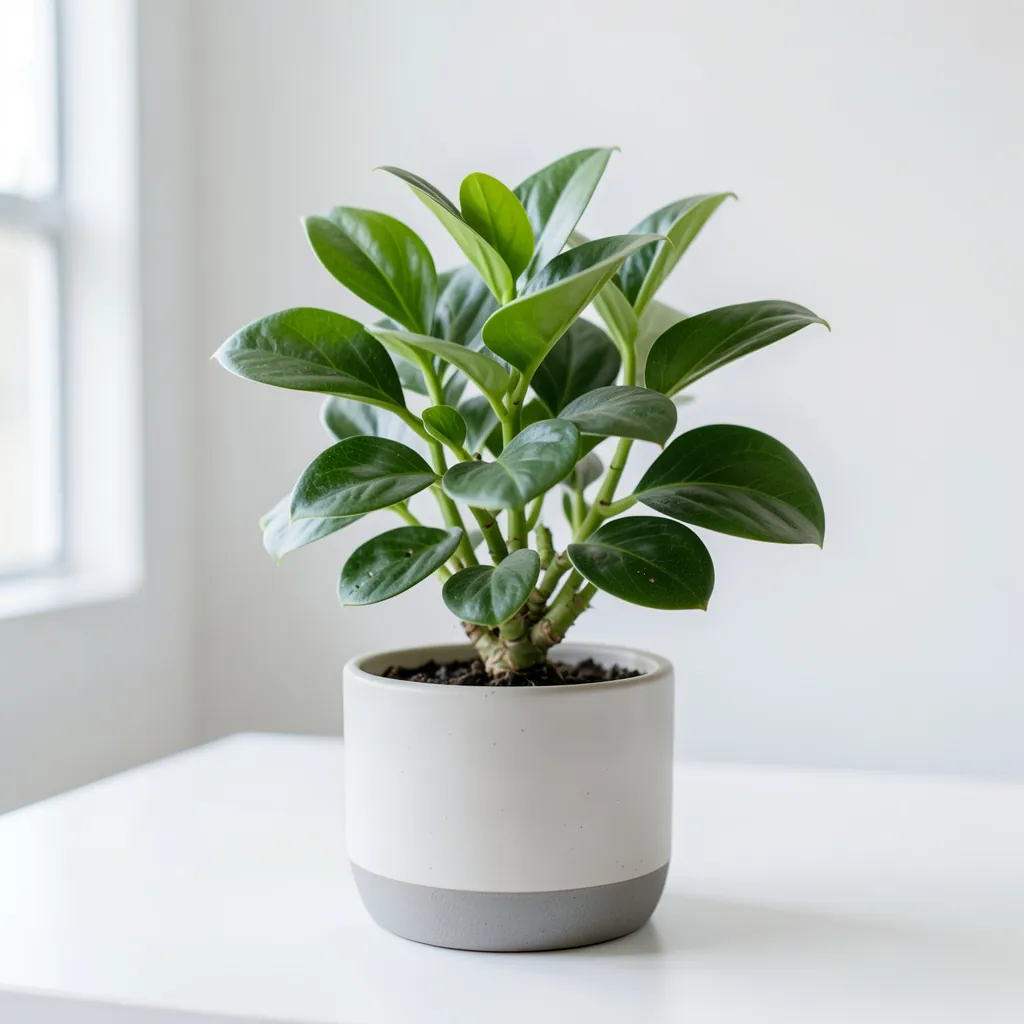
Pilea Peperomioides Care Guide: Light, Water, Humidity & More
Contents
- Light
- Watering
- Humidity and Temperature
- Soil and Fertilizer
- Repotting
- Propagation
- 🩺 Common Problems
- 🐾 Pet Safety and Toxicity
- 💡 Care Tips
- ❓ FAQ
🪴 Pilea peperomioides, commonly called the Chinese Money Plant or Pancake Plant, is a popular houseplant known for its quirky round leaves and easy-care nature. Its adaptability and attractive foliage make it ideal for beginners and collectors alike.
Light: Bright indirect
Water: When top 2-3cm of soil is dry
Humidity: Average (40-60%)
Temperature: 65-80°F (18-27°C)
Soil: Well-draining, peat-free
Difficulty: Easy
Toxicity: Pet-safe (non-toxic to cats and dogs)
Mature Size: 8-12 inches (20-30 cm)
Light
Pilea peperomioides thrives in bright indirect light, such as near an east- or west-facing window. Direct sun can scorch leaves, causing brown patches or faded color. In low light, stems become leggy and leaves smaller. Rotate the pot 90° weekly to maintain even growth.
Watering
Water when the top 2-3cm (1 inch) of soil dries out, soaking thoroughly until water drains from the bottom. Reduce frequency in winter when growth slows. Signs of overwatering include yellow leaves and soft stems, while underwatering causes drooping or crispy leaf edges.
Humidity and Temperature
Pileas tolerate average household humidity (40-60%) but benefit from higher humidity if leaves develop brown tips. Use a pebble tray or humidifier (especially for thin-leaved varieties like P. involucrata). Ideal temperatures are 65-80°F (18-27°C); avoid drafts and temps below 50°F (10°C).
Soil and Fertilizer
Use a well-draining mix (e.g., peat-free potting soil with perlite or bark). Feed monthly in spring/summer with a balanced liquid fertilizer diluted to half-strength. Avoid overfeeding, which can cause leaf burn.
Repotting
Repot every 1-2 years in spring:
- Choose a pot 1-2 inches larger with drainage.
- Gently loosen roots and place in fresh soil.
- Water lightly and avoid direct sun for a week.
Propagation
Easily propagate via offsets or stem cuttings:
- Offsets: Separate pups with roots from the mother plant and pot individually.
- Stem cuttings: Cut below a node, remove lower leaves, and root in water or moist soil.
🩺 Common Problems
| Symptom | Likely Cause | Fix |
|---|---|---|
| Yellow leaves | Overwatering | Let soil dry; check roots for rot |
| Brown tips | Low humidity/over-fertilizing | Increase humidity; flush soil |
| Drooping | Underwatering | Soak thoroughly |
| Leggy growth | Low light | Move to brighter spot |
| Curling leaves | Drafts/temp swings | Stabilize environment |
🐾 Pet Safety and Toxicity
Pilea peperomioides is non-toxic to cats and dogs (ASPCA). However, ingestion may cause mild stomach upset.
💡 Care Tips
- Rotate weekly to prevent leaning.
- Use room-temp water to avoid root shock.
- Wipe leaves monthly to remove dust.
- Avoid placing near AC vents or cold windows.
❓ FAQ
Is Pilea peperomioides safe for pets?
Yes, it’s non-toxic to cats and dogs.
How often should I water my Pilea?
When the top inch of soil is dry, typically every 1-2 weeks.
Why are my Pilea’s leaves turning yellow?
Usually overwatering; check soil moisture and roots.
Can Pilea grow in low light?
It tolerates medium light but thrives in bright indirect light.
How fast does Pilea grow?
Moderately fast; produces offsets annually under ideal conditions.
How do I propagate Pilea?
Separate pups or root stem cuttings in water/soil.
Related guides
- Aglaonema Care Guide: How to Grow Chinese Evergreen Indoors
- The Best Fertilizer for Houseplants: A Comprehensive Guide
- Best LED Grow Lights for Indoor Plants: Full-Spectrum Options Tested
- Bird’s Nest Fern Care Guide
- Caladium Care Guide: How to Grow Vibrant Foliage Indoors