Pilea Peperomioides Care Guide: How to Grow a Thriving Chinese Money Plant
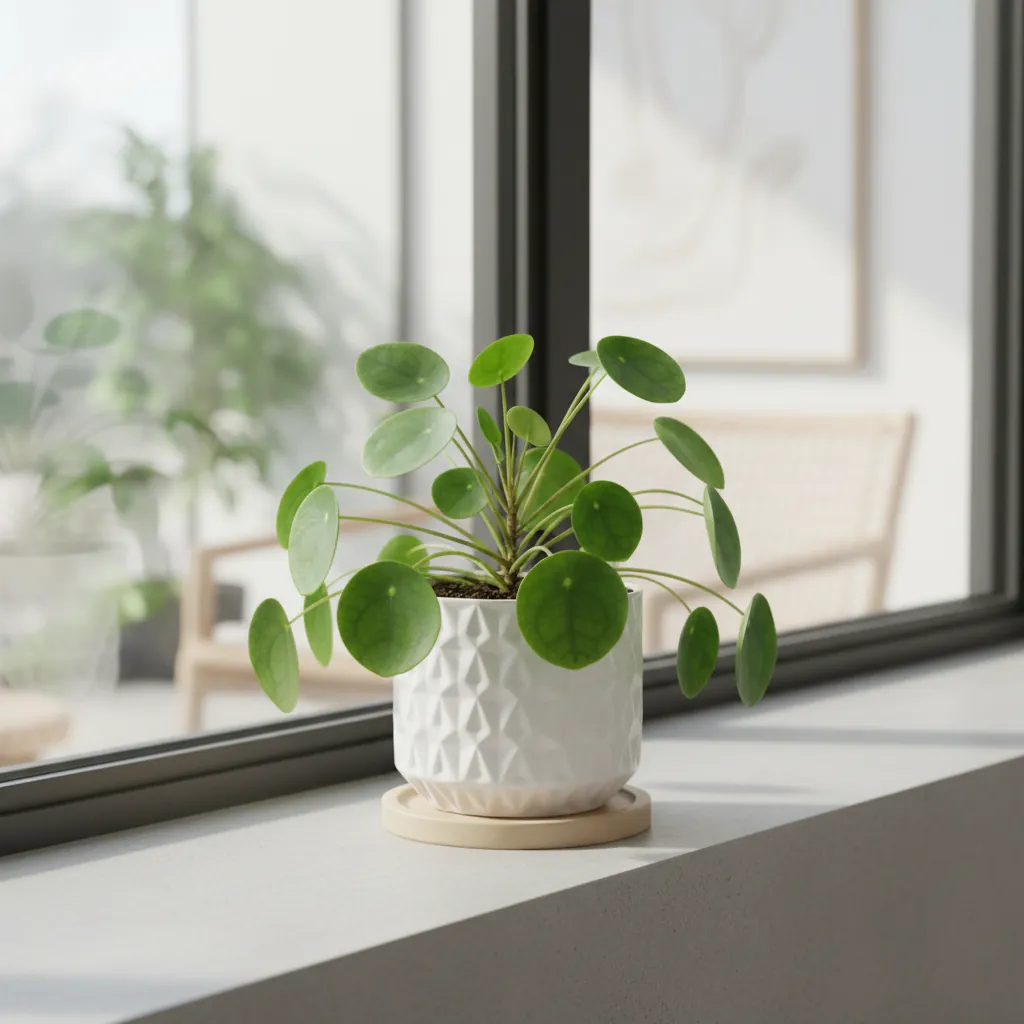
Pilea Peperomioides Care Guide: How to Grow a Thriving Chinese Money Plant
Contents
- Quick Care Summary
- How Often Should I Water My Pilea?
- What Light Conditions Are Best for Pileas?
- How Do I Choose Soil and Repot a Pilea?
- How Can I Propagate My Pilea?
- What Are Common Pilea Problems?
The Pilea peperomioides, or Chinese money plant, is a popular houseplant known for its round, coin-shaped leaves and low-maintenance care needs. Native to China, it thrives in bright, indirect light and prefers slightly moist soil, making it ideal for beginners and experienced plant lovers alike.
Quick Care Summary
- Light: Bright, indirect light (north or east-facing windows ideal)
- Water: When top 2-3 cm of soil is dry; avoid overwatering
- Humidity: 40-60% (tolerates as low as 30%)
- Temperature: 15-24°C (avoid drafts and sudden changes)
- Soil: Well-draining, slightly acidic (pH 6.0–6.5) mix with perlite or orchid bark
- Toxicity: Non-toxic (pet-safe)
How Often Should I Water My Pilea?
Water when the top 2-3 cm of soil feels dry, typically once a week. Overwatering causes yellow leaves, while underwatering leads to drooping. Use filtered or distilled water to avoid fluoride-induced leaf spots.
What Light Conditions Are Best for Pileas?
Bright, indirect light is ideal (e.g., near north/east windows). Direct sun scorches leaves, while low light causes leggy growth. Rotate the plant 2-3 times weekly to promote even growth.
How Do I Choose Soil and Repot a Pilea?
Soil: Use a well-draining mix (e.g., potting soil + perlite or cactus mix).
Repotting:
- When roots outgrow the pot (every 2–3 years).
- Best done in spring/summer.
- Choose a pot 2-5 cm larger with drainage.
How Can I Propagate My Pilea?
Pileas are easily propagated via:
- Offshoots (pups): Separate from the mother plant and repot.
- Stem cuttings: Root in water or soil.
- Leaf cuttings: Plant stem-attached leaves in moist soil.
What Are Common Pilea Problems?
| Issue | Cause | Solution |
|---|---|---|
| Yellow leaves | Overwatering | Let soil dry; remove damaged leaves |
| Leggy growth | Low light | Move to brighter spot |
| Leaf curling | Underwatering/heat | Adjust watering; avoid hot spots |
| Brown spots | Fluoride (tap water) | Use filtered water |
| Pests (e.g., spider mites) | Dry conditions | Wipe leaves; use insecticidal soap |
FAQ
1. Why are my Pilea’s leaves curling?
- Inward curls: Underwatering or low humidity.
- Outward curls: Overwatering or heat stress.
2. Can Pileas grow in low light?
Yes, but leaves darken and grow slower. Bright, indirect light is optimal.
3. How often should I fertilize?
Every 2–4 weeks in spring/summer with balanced liquid fertilizer; stop in winter.
4. Do Pileas flower?
Rare indoors. Small white flowers may appear in summer with optimal light/humidity.
5. Are Pileas safe for pets?
Yes, they’re non-toxic to cats and dogs.
Related guides
- Chinese Evergreen Care Guide
- English Ivy Care Guide
- Fiddle Leaf Fig Care Guide
- Pothos Care: A Complete Guide to Growing Devil’s Ivy Indoors
- How to Care for Aloe Vera: A Complete Guide to Thriving Plants