🪴 Pilea Care Instructions: Your Complete Guide to Thriving Indoor Plants
🪴 Pilea Care Instructions: Your Complete Guide to Thriving Indoor Plants
Contents
- How Much Light Does a Pilea Need?
- How Often Should I Water My Pilea?
- What Humidity and Temperature Are Best for Pilea?
- What Kind of Soil and Fertilizer Should I Use?
- When and How Should I Repot a Pilea?
- How Do I Propagate My Pilea?
- 🩺 Common Pilea Problems: Symptoms and Solutions
- 🐾 Is Pilea Safe for Pets?
- 💡 Care Tips for a Healthy Pilea
- ❓ Frequently Asked Questions
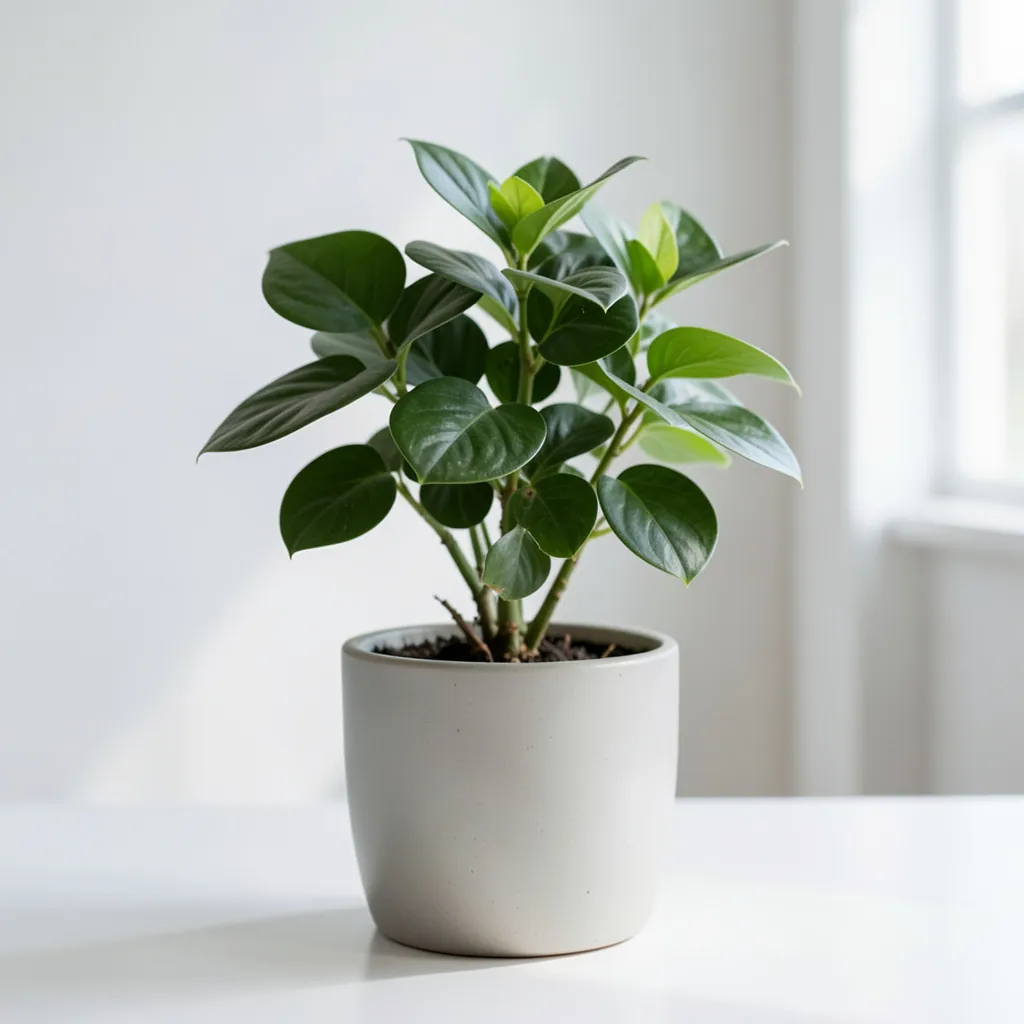
Pilea, often called the Chinese Money Plant, is a popular indoor plant known for its unique, coin-shaped leaves and easy-care nature. Native to tropical and subtropical regions, it thrives in bright, indirect light and well-draining soil, making it a favorite among houseplant enthusiasts.
Light: Bright indirect
Water: When the top inch of soil is dry
Humidity: Average to high
Temperature: 65-80°F (18-27°C)
Soil: Well-draining
Difficulty: Easy
Pet Safety: Pet-safe
Mature Size: 2-3 ft
How Much Light Does a Pilea Need?
Pileas thrive in bright, indirect light. Direct sunlight can scorch their leaves, while insufficient light leads to leggy growth. Place your Pilea near a north-, east-, or west-facing window. Rotate the plant occasionally to ensure even growth.
How Often Should I Water My Pilea?
Water your Pilea when the top inch of soil feels dry. Overwatering can cause root rot, so ensure the pot has drainage holes. In winter, reduce watering as the plant’s growth slows. Always discard excess water from the saucer to prevent waterlogging.
What Humidity and Temperature Are Best for Pilea?
Pileas prefer average to high humidity (40-60%) and temperatures between 65-80°F (18-27°C). Avoid placing them near cold drafts or heating vents. For humidity-loving varieties, use a humidifier or a pebble tray.
What Kind of Soil and Fertilizer Should I Use?
Use a well-draining, peat-free potting mix with added perlite or sand. Feed your Pilea monthly during the growing season (spring and summer) with a balanced liquid fertilizer diluted to half strength. Skip fertilizing in winter.
When and How Should I Repot a Pilea?
Repot your Pilea every 1-2 years when it becomes rootbound. Choose a pot 1-2 inches larger than the current one and refresh the soil. Repotting is best done in spring or early summer when the plant is actively growing.
How Do I Propagate My Pilea?
Propagate Pilea by separating offsets (baby plants) from the base of the parent plant. Plant them in small pots with well-draining soil. Alternatively, stem cuttings can be rooted in water or soil. Keep the new plants in bright, indirect light and maintain consistent moisture.
🩺 Common Pilea Problems: Symptoms and Solutions
| Symptom | Cause | Solution |
|---|---|---|
| Yellow Leaves | Overwatering | Let soil dry out, check drainage |
| Drooping | Underwatering | Water thoroughly, ensure proper hydration |
| Brown Tips | Low humidity | Increase humidity with a humidifier |
| Curling Leaves | Inconsistent watering | Water regularly, maintain moisture |
| Mushy Roots | Root rot | Repot in fresh soil, improve drainage |
| Leggy Growth | Insufficient light | Move to brighter, indirect light |
🐾 Is Pilea Safe for Pets?
Yes, Pileas are pet-safe and non-toxic to cats and dogs, making them a great choice for pet-friendly homes.
💡 Care Tips for a Healthy Pilea
- Rotate your Pilea occasionally to ensure even growth.
- Avoid overwatering—let the top inch of soil dry out between waterings.
- Keep humidity levels stable, especially for thin-leaved varieties.
- Prune leggy stems to encourage bushier growth.
- Propagate offsets to expand your Pilea collection or rejuvenate older plants.
❓ Frequently Asked Questions
Is Pilea toxic to pets?
No, Pileas are non-toxic and safe for cats and dogs.
How often should I water my Pilea?
Water when the top inch of soil is dry, typically once a week in summer and less often in winter.
Why are my Pilea’s leaves turning yellow?
Yellow leaves usually indicate overwatering. Check the soil and drainage.
How much light does a Pilea need?
Bright, indirect light is ideal. Avoid direct sunlight.
How fast does Pilea grow?
Pileas grow moderately fast, reaching 2-3 feet in height under optimal conditions.
How do I propagate Pilea?
Propagate by separating offsets or rooting stem cuttings in water or soil.
Related guides
- Aglaonema Care Guide: How to Grow Chinese Evergreen Indoors
- The Best Fertilizer for Houseplants: A Comprehensive Guide
- Best LED Grow Lights for Indoor Plants: Full-Spectrum Options Tested
- Bird’s Nest Fern Care Guide
- Caladium Care Guide: How to Grow Vibrant Foliage Indoors