peperomioides care
Contents
- Light
- Watering
- Humidity and Temperature
- Soil and Fertilizer
- Repotting
- Propagation
- 🩺 Common Problems
- 🐾 Pet Safety and Toxicity
- 💡 Care Tips
- ❓ FAQ
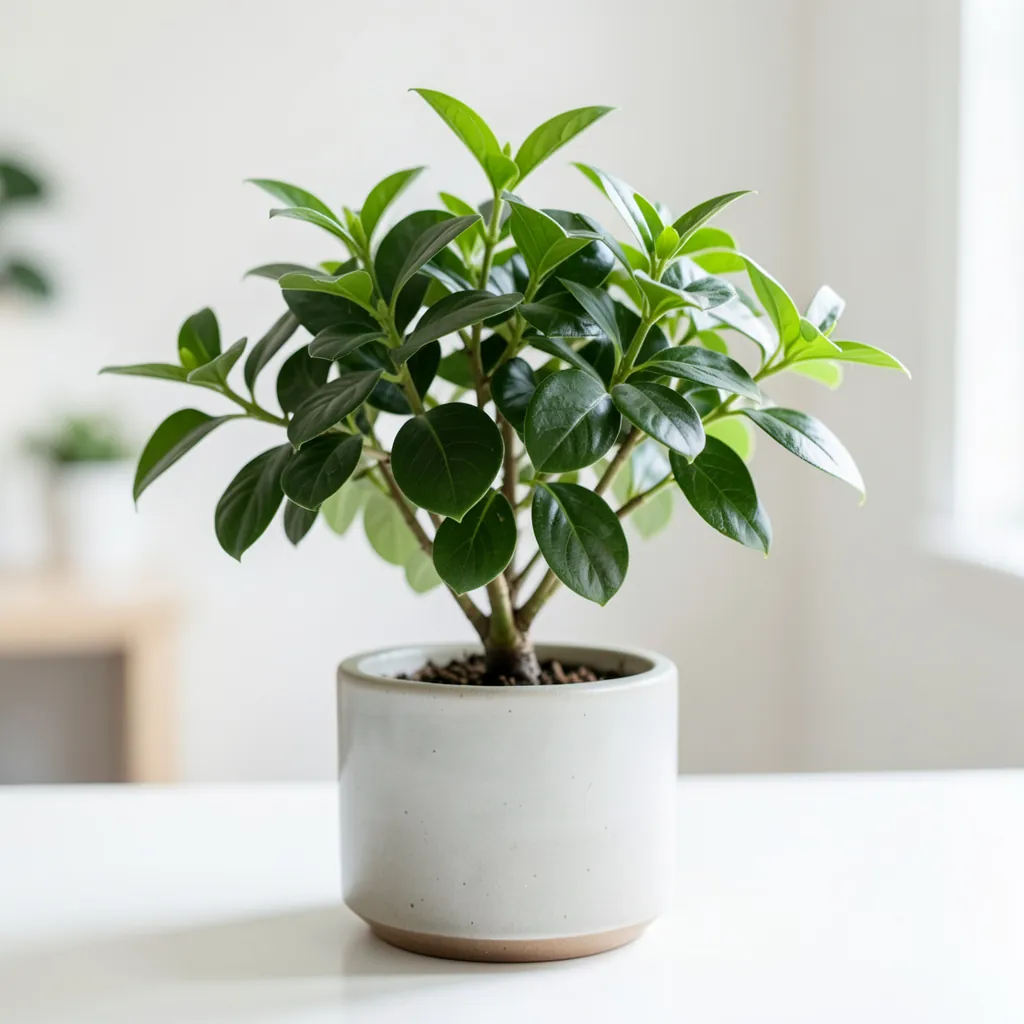
🪴 Pilea peperomioides, commonly called the Chinese Money Plant or Pancake Plant, is a trendy houseplant known for its distinctive round, coin-shaped leaves. Its easy-care nature and photogenic appearance make it popular among beginners and collectors alike.
Light: Bright indirect
Water: When top inch of soil is dry
Humidity: Average to high
Temperature: 65-80°F (18-27°C)
Soil: Well-draining
Difficulty: Easy
Toxicity: Pet-safe (non-toxic to cats and dogs)
Mature Size: 8-12 inches tall and wide
Light
How much light does a Pilea need?
Pilea peperomioides thrives in bright, indirect light (e.g., an east-facing window or a few feet back from a south/west window). Direct sun scorches leaves, while insufficient light causes leggy growth and small leaves.
Signs of trouble:
- Too much light: Brown crispy patches on leaves
- Too little light: Stretched stems, leaning toward light sources
Watering
How often should I water my Pilea?
Water when the top 1-2 inches of soil are dry. Reduce frequency in winter. Signs of improper watering:
- Overwatering: Yellow leaves, mushy stems, white mold on soil
- Underwatering: Drooping leaves that perk up after watering
Tip: Use the “finger test” instead of a schedule.
Humidity and Temperature
What’s the ideal environment?
- Humidity: Tolerates average household humidity but prefers 40-50%. Avoid misting (risk of fungal spots).
Utornado drafts or temperatures below 50°F (10°C).
Soil and Fertilizer
What soil mix works best?
Use a well-draining mix:
- 2 parts potting soil + 1 part perlite/orchid bark
Fertilize monthly in spring/summer with a balanced houseplant fertilizer (e.g., 10-10-10), diluted to half strength.
Repotting
When and how to repot?
- Repot every 2-3 years in spring if root-bound.
- Choose a pot 1-2 inches larger with drainage holes.
- Gently loosen roots, place in fresh soil, and water lightly.
Propagation
How to propagate Pilea?
- Remove “pups” (offsets) at the base with roots attached.
- Plant in moist soil or root in water first.
- Keep in bright, indirect light until established.
🩺 Common Problems
| Symptom | Likely Cause | Fix |
|---|---|---|
| Yellow leaves | Overwatering | Let soil dry; check roots for rot |
| Drooping | Underwatering | Water thoroughly |
| Brown tips | Low humidity/over-fertilizing | Trim leaves; adjust care |
| Leaves curling | Too much light/drafts | Move to shadier spot |
| No growth | Low light/cold | Improve light and warmth |
🐾 Pet Safety and Toxicity
Pilea peperomioides is non-toxic to cats and dogs (ASPCA-confirmed). However, ingestion may cause mild stomach upset.
💡 Care Tips
- Rotate the plant weekly for even growth.
- Wipe leaves gently to remove dust.
- Avoid repotting too frequently—they like being snug.
❓ FAQ
Is Pilea toxic to pets?
No, it’s pet-safe for cats and dogs.
Why are my Pilea’s leaves turning yellow?
Usually overwatering. Check soil moisture and drainage.
How fast does Pilea grow?
Moderate—expect 2-4 new leaves per month in ideal conditions.
Can I grow Pilea in low light?
No, it needs bright indirect light to thrive.
Related guides
- Aglaonema Care Guide: How to Grow Chinese Evergreen Indoors
- The Best Fertilizer for Houseplants: A Comprehensive Guide
- Best LED Grow Lights for Indoor Plants: Full-Spectrum Options Tested
- Bird’s Nest Fern Care Guide
- Caladium Care Guide: How to Grow Vibrant Foliage Indoors