Peperomia Care Guide: How to Grow Healthy Radiator Plants
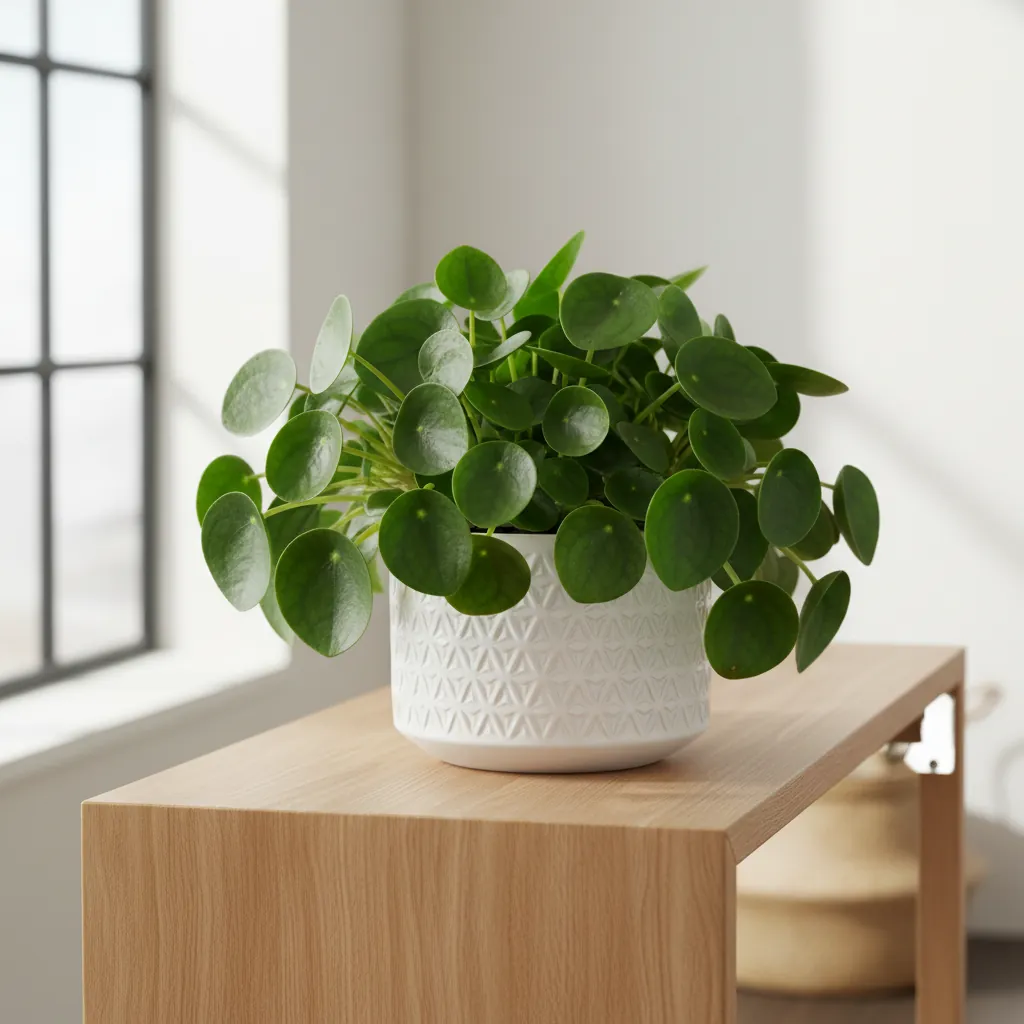
Peperomia Care Guide: How to Grow Healthy Radiator Plants
Contents
- Quick Care Summary
- How Often to Water Peperomia?
- What Light Is Best for Peperomia?
- Soil & Repotting
- How to Propagate Peperomia
- Common Peperomia Problems
- Peperomia FAQ
Peperomia are compact tropical houseplants prized for their diverse foliage—from watermelon-striped leaves to ripple-textured hearts. With over 1,000 species, these low-maintenance plants thrive indoors with minimal care, adapting well to average home conditions. Their pet-safe nature and small size make them ideal for apartments or terrariums.
Quick Care Summary
- Light: Bright indirect light (east/west windows). Avoid direct sun.
- Water: Let soil dry 50-75% between waterings. Reduce frequency in winter.
- Humidity: Prefers 40-50% but tolerates average home humidity. Use pebble trays in dry climates.
- Temperature: 65°F–75°F (18°C–24°C). Avoid drafts and temps below 50°F (10°C).
- Soil: Well-draining mix (e.g., 2 parts peat-free compost + 1 part perlite/orchid bark).
- Toxicity: Non-toxic to pets and humans (ASPCA confirmed).
How Often to Water Peperomia?
Water every 1-2 weeks in summer when the top 1-2 inches of soil are dry. Cut back to every 3-4 weeks in winter. Signs of overwatering: yellow leaves, mushy stems. Signs of underwatering: curled, crispy leaves.
- Pro tip: Use room-temperature rainwater/filtered water to prevent fluoride-induced brown tips.
What Light Is Best for Peperomia?
- Ideal: Medium to bright indirect light (east/west-facing windows).
- Low light: Tolerated but may slow growth or fade variegation (e.g., P. obtusifolia).
- Avoid: Direct afternoon sun (scorches leaves).
Soil & Repotting
- Soil mix: Use airy, slightly acidic soil (pH 6.0–6.5). Combos:
- Tropical species: 2:1:1 potting compost/orchid bark/perlite.
- Succulent types (e.g., P. macrorhiza): Cactus mix.
- Repotting: Every 2-3 years in spring. Upsize pots by 1-2 inches max to avoid soggy soil.
| Signs It’s Time to Repot | Action |
|---|---|
| Roots circling pot bottom | Repot if rootbound |
| Soil dries out too fast | Refresh soil, same pot size |
| Stunted growth | Check roots for rot |
How to Propagate Peperomia
- Stem cuttings: Snip 3-4” stems with nodes, root in water/moist soil.
- Leaf cuttings: Press leaves (with petiole) into soil; new plants form at the base.
- Timing: Spring/summer for fastest results.
Common Peperomia Problems
| Issue | Cause | Fix |
|---|---|---|
| Yellow leaves | Overwatering/root rot | Check roots, repot if mushy |
| Brown tips | Low humidity/fluoride | Mist or use pebble tray |
| Leggy growth | Low light | Move to brighter spot |
| Mealybugs | Pest infestation | Wipe with alcohol-soaked cotton |
Peperomia FAQ
Q: Can peperomia grow in a bathroom?
A: Yes! High humidity benefits tropical species (e.g., P. caperata).
Q: Why are my peperomia’s leaves dropping?
A: Usually overwatering or cold drafts. Let soil dry fully and keep temps above 60°F.
Q: Do peperomias flower?
A: Yes, but blooms are tiny, green spikes. Prune them to direct energy to foliage.
Q: How fast do peperomias grow?
A: Slow to moderate—most reach 6–12” tall in 2–5 years.
Related guides
- Aglaonema Care Guide: How to Grow Chinese Evergreen Indoors
- The Best Fertilizer for Houseplants: A Comprehensive Guide
- Best LED Grow Lights for Indoor Plants: Full-Spectrum Options Tested
- Bird’s Nest Fern Care Guide
- Caladium Care Guide: How to Grow Vibrant Foliage Indoors