Parlor Palm Care Guide: How to Keep Your Indoor Palm Thriving
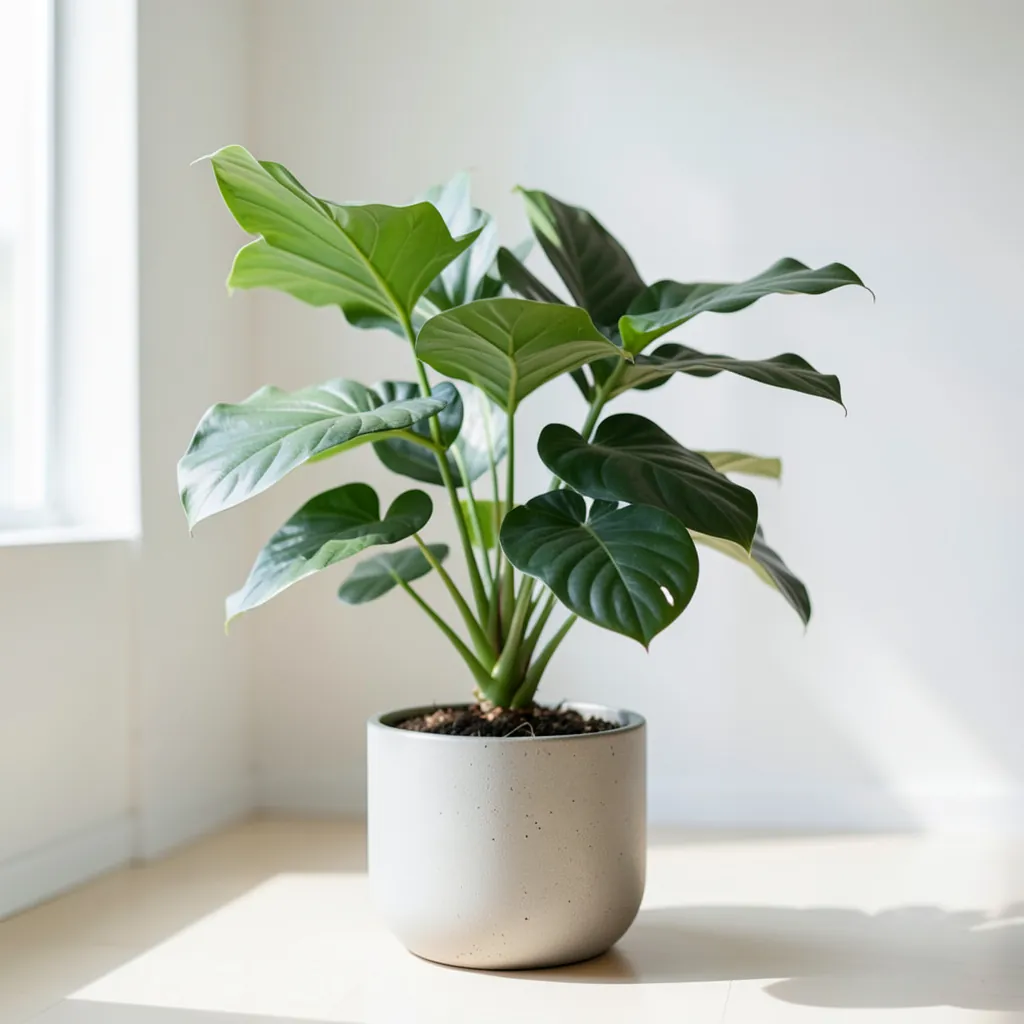
Parlor Palm Care Guide: How to Keep Your Indoor Palm Thriving
Contents
- Light Needs: How Much Light Does a Parlor Palm Need?
- Watering: How Often Should I Water My Parlor Palm?
- Humidity and Temperature: Ideal Conditions for Parlor Palms
- Soil and Fertilizer: Best Soil Mix and Feeding Schedule
- Repotting Parlor Palms: When and How to Repot
- Propagation: How to Grow New Parlor Palms
- 🩺 Common Problems: Symptoms and Solutions
- 🐾 Pet Safety: Is the Parlor Palm Toxic to Cats and Dogs?
- 💡 Care Tips: Expert Advice for Healthy Parlor Palms
- ❓ FAQ: Frequently Asked Questions
🪴 Parlor palms (Chamaedorea elegans) are elegant, tropical houseplants known for their lush, arching fronds and easy-care nature. Native to the rainforests of Mexico and Guatemala, these plants have been popular since Victorian times due to their ability to thrive in low light and cooler indoor temperatures. Perfect for beginners, parlor palms add a touch of greenery to any space without demanding much attention.
Light: Bright indirect
Water: When the top inch of soil is dry
Humidity: Average to high
Temperature: 65-80°F (18-27°C)
Soil: Well-draining
Difficulty: Easy
Toxicity: Pet-safe (non-toxic to cats and dogs)
Mature Size: 2-3 ft
Light Needs: How Much Light Does a Parlor Palm Need?
Parlor palms thrive in bright, indirect light but can tolerate low light conditions. Avoid direct sunlight, which can scorch their leaves. Place them near north- or east-facing windows, or use sheer curtains to filter harsh sunlight. Signs of too little light include slow growth and leggy stems, while too much light may cause brown, crispy leaf tips.
Watering: How Often Should I Water My Parlor Palm?
Water your parlor palm when the top inch of soil feels dry. Overwatering can lead to root rot, so ensure the pot has good drainage and empty any excess water from the saucer. During the growing season (spring and summer), water weekly, but reduce frequency in winter when the plant’s growth slows.
Humidity and Temperature: Ideal Conditions for Parlor Palms
Parlor palms prefer temperatures between 65-80°F (18-27°C) and moderate humidity (40-70%). If your home is dry, especially in winter, use a humidifier or place the plant on a pebble tray. Avoid placing it near drafts or heating vents, as sudden temperature fluctuations can stress the plant.
Soil and Fertilizer: Best Soil Mix and Feeding Schedule
Use a well-draining potting mix, such as a blend of standard potting soil, peat moss, and perlite. Parlor palms don’t require frequent fertilizing; apply a balanced liquid fertilizer diluted to half strength once a month during the growing season. Avoid fertilizing in winter.
Repotting Parlor Palms: When and How to Repot
Parlor palms prefer to be slightly root-bound, so repot only every 2-3 years or when roots grow out of the drainage holes. Follow these steps:
- Choose a pot 1-2 inches larger than the current one, with drainage holes.
- Gently remove the plant, teasing apart any circling roots.
- Place it in the new pot with fresh soil at the same depth.
- Water thoroughly and return it to its original spot.
Propagation: How to Grow New Parlor Palms
Propagation is best done by division during repotting:
- Carefully separate the plant into smaller clumps, ensuring each has roots.
- Plant each clump in a pot with well-draining soil.
- Water lightly and keep in a warm, bright location until established.
🩺 Common Problems: Symptoms and Solutions
| Symptom | Cause | Fix |
|---|---|---|
| Yellow leaves | Overwatering | Reduce watering, improve drainage. |
| Brown, crispy tips | Low humidity or dry air | Increase humidity or mist leaves. |
| Drooping fronds | Underwatering | Water thoroughly and check soil moisture. |
| Leaves curling | Too much direct sun | Move to indirect light. |
| Mushy stems | Root rot | Repot in fresh, well-draining soil. |
| Slow growth | Low light | Move to brighter indirect light. |
🐾 Pet Safety: Is the Parlor Palm Toxic to Cats and Dogs?
Parlor palms are non-toxic to cats and dogs, making them a safe choice for pet owners. However, it’s still advisable to keep plants out of reach to prevent chewing, which can harm the plant.
💡 Care Tips: Expert Advice for Healthy Parlor Palms
- Avoid overwatering; let the top inch of soil dry out between waterings.
- Keep away from direct sunlight to prevent leaf scorch.
- Maintain moderate humidity levels, especially in dry climates.
- Repot only when necessary, as parlour palms prefer being slightly root-bound.
- Clean leaves occasionally with a damp cloth to remove dust and improve photosynthesis.
❓ FAQ: Frequently Asked Questions
Q: How often should I water my parlor palm?
A: Water when the top inch of soil is dry, typically once a week during the growing season and less often in winter.
Q: Is the parlor palm safe for pets?
A: Yes, parlour palms are non-toxic to cats and dogs.
Q: Why are the tips of my parlor palm turning brown?
A: Brown tips are often caused by low humidity or dry air. Increase humidity or mist the plant.
Q: How much light does a parlor palm need?
A: Parlor palms thrive in bright, indirect light but can tolerate low light conditions.
Q: How fast does a parlor palm grow?
A: Parlor palms are slow-growing, typically reaching 2-3 feet indoors over several years.
Q: Can I propagate a parlor palm from cuttings?
A: Propagation is best done by division during repotting, as cuttings are not effective.
Related guides
- Aglaonema Care Guide: How to Grow Chinese Evergreen Indoors
- The Best Fertilizer for Houseplants: A Comprehensive Guide
- Best LED Grow Lights for Indoor Plants: Full-Spectrum Options Tested
- Bird’s Nest Fern Care Guide
- Caladium Care Guide: How to Grow Vibrant Foliage Indoors