Mini Pilea Plant Care Guide
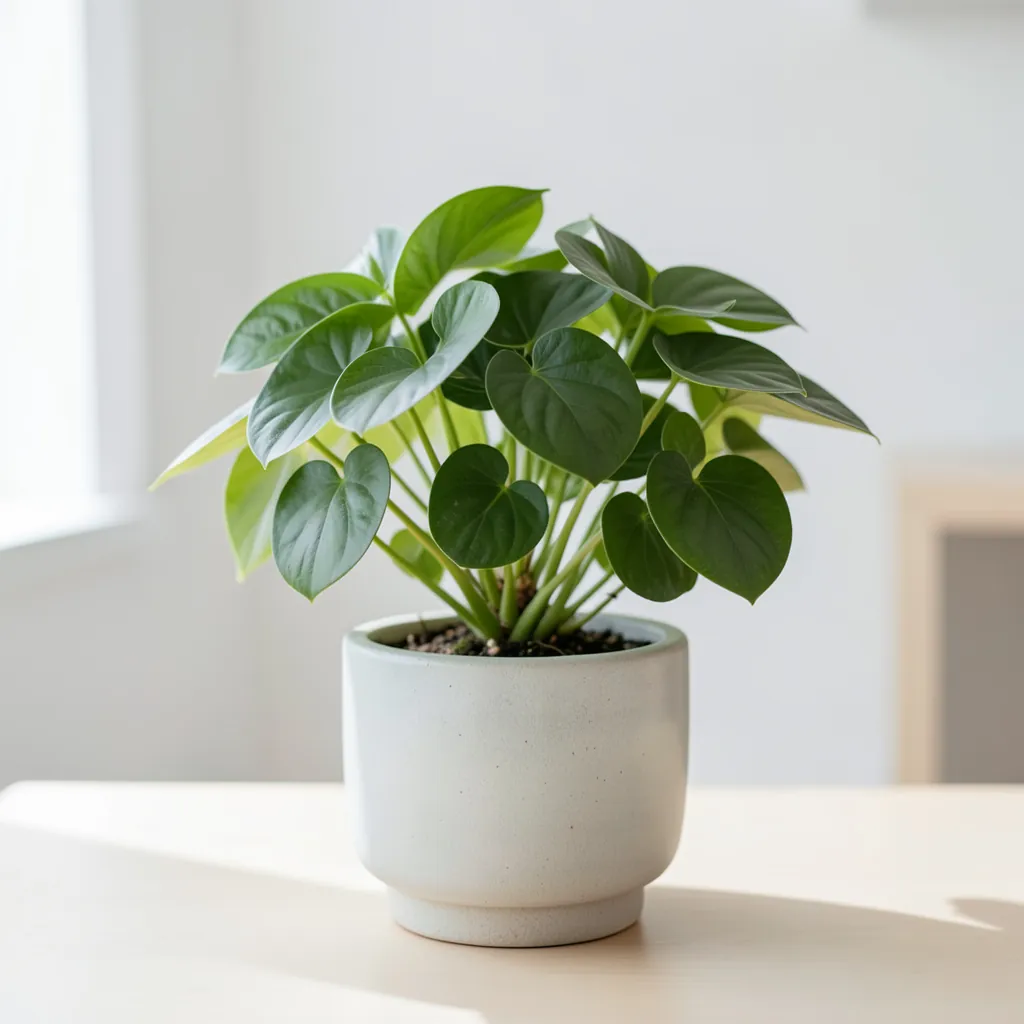
Mini Pilea Plant Care Guide
Contents
- Light
- Watering
- Humidity and Temperature
- Soil and Fertilizer
- Repotting
- Propagation
- 🩺 Common Problems
- 🐾 Pet Safety and Toxicity
- 💡 Care Tips
- ❓ FAQ
🪴 Mini Pilea plants, including popular varieties like Pilea peperomioides (Chinese money plant) and Pilea microphylla (artillery plant), are beloved for their compact size, unique foliage, and easy-care nature. Their quirky appearance and fast growth make them ideal for shelves, terrariums, or hanging planters.
Light: Bright indirect
Water: When the top 1-2 inches of soil is dry
Humidity: Average to high (40-60%)
Temperature: 65-80°F (18-27°C)
Soil: Well-draining, peat-free mix
Difficulty: Easy
Toxicity: Pet-safe (non-toxic to cats and dogs)
Mature Size: 6-12 inches (trailing varieties up to 24 inches)
Light
How much light does a mini Pilea need?
Mini Pileas thrive in bright, indirect light (e.g., near north/east-facing windows). Direct sun scorches leaves, causing brown patches. Low light leads to leggy growth and smaller leaves. Rotate bushy types weekly for even growth.
Watering
How often should I water my mini Pilea?
Water when the top 1-2 inches of soil dries out, typically every 7-10 days in summer and every 2-3 weeks in winter. Signs of overwatering: yellow leaves, mushy stems. Underwatering causes drooping or crispy leaf edges.
Humidity and Temperature
Do mini Pileas need humidity?
They tolerate average humidity (40%) but prefer 50-60%. Boost humidity with pebble trays or grouping plants. Keep temperatures steady (65-80°F/18-27°C); avoid drafts or sudden drops below 50°F (10°C).
Soil and Fertilizer
What soil is best?
Use well-draining mixes (e.g., peat-free houseplant compost with perlite). Feed monthly in spring/summer with balanced liquid fertilizer diluted to half strength.
Repotting
When and how to repot?
- Repot every 1-2 years in spring if roots circle the pot.
- Choose a pot 1-2 inches wider.
- Gently loosen roots, place in fresh soil, and water lightly.
Propagation
How to propagate mini Pileas?
- Offsets: Detach baby plants from the base (Pilea peperomioides).
- Stem cuttings: Snip 3-4 inch tips, root in water or moist soil.
- Leaf cuttings: Place individual leaves in soil (works for P. peperomioides).
🩺 Common Problems
| Symptom | Cause | Fix |
|---|---|---|
| Yellow leaves | Overwatering | Let soil dry out; improve drainage |
| Brown crispy tips | Low humidity/underwatering | Mist leaves or use pebble tray; water more consistently |
| Leggy growth | Low light | Move to brighter spot |
| Drooping | Underwatering/root rot | Check soil; water if dry or repot if roots are mushy |
| Small leaves | Lack of nutrients | Fertilize monthly in growing season |
🐾 Pet Safety and Toxicity
Mini Pileas are non-toxic to cats and dogs (sources: RHS, ASPCA).
💡 Care Tips
- Avoid overpotting—compact roots prevent soggy soil.
- Wipe leaves with a damp cloth to remove dust.
- Pinch back trailing varieties to encourage bushiness.
❓ FAQ
Is mini Pilea safe for pets?
Yes! All Pilea varieties are pet-safe.
Why are my Pilea’s leaves curling?
Usually due to low humidity or inconsistent watering.
How fast does it grow?
Reaches maturity in 1-2 years; produces offsets readily.
Can it grow in low light?
No—bright indirect light is essential for compact growth.
Related guides
- Aglaonema Care Guide: How to Grow Chinese Evergreen Indoors
- The Best Fertilizer for Houseplants: A Comprehensive Guide
- Best LED Grow Lights for Indoor Plants: Full-Spectrum Options Tested
- Bird’s Nest Fern Care Guide
- Caladium Care Guide: How to Grow Vibrant Foliage Indoors