Maidenhair Fern Care Guide
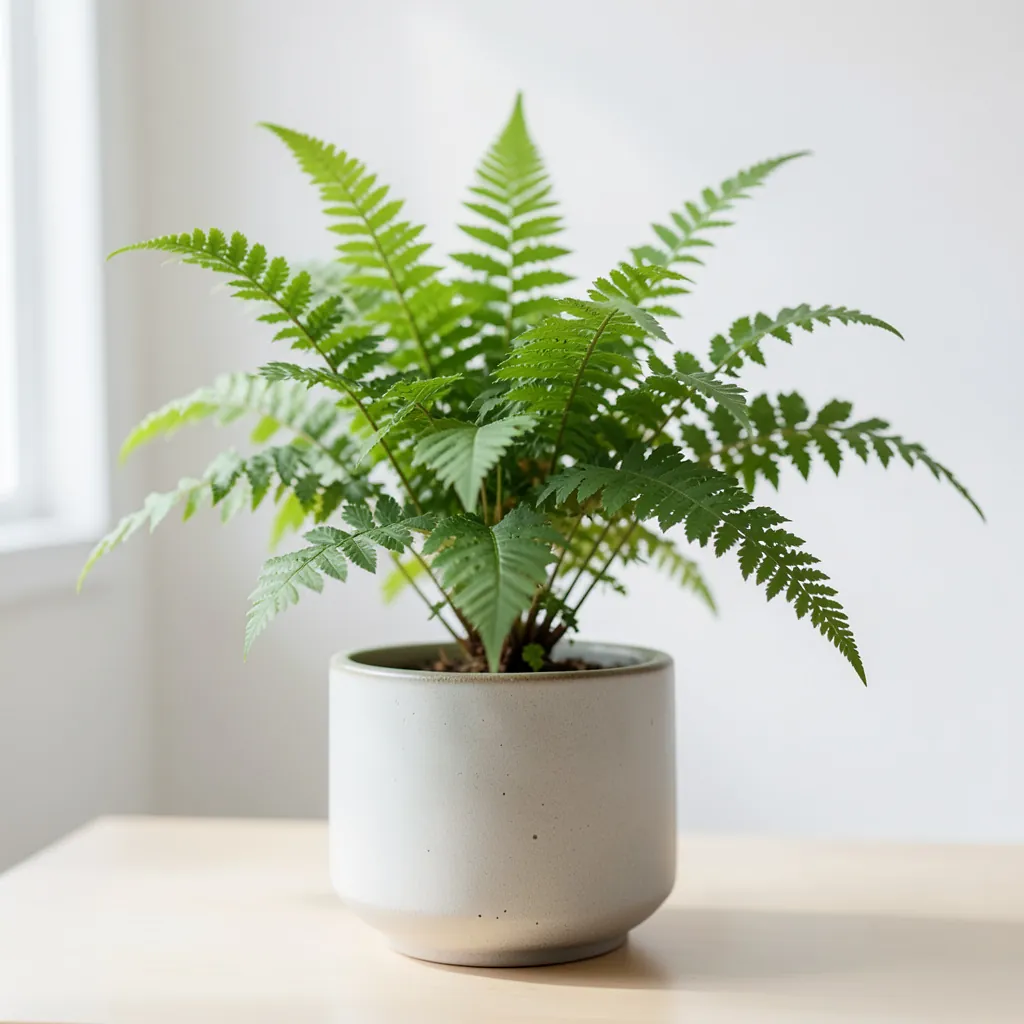
Maidenhair Fern Care Guide
Contents
- Light
- Watering
- Humidity and Temperature
- Soil and Fertilizer
- Repotting
- Propagation
- 🩺 Common Problems
- 🐾 Pet Safety and Toxicity
- 💡 Care Tips
- ❓ FAQ
🪴 Maidenhair ferns (Adiantum species) are prized for their delicate, fan-shaped fronds and dark, wiry stems. Despite their reputation for being finicky, they’re popular for their elegant appearance and ability to thrive in humid indoor spaces like bathrooms.
Light: Bright indirect
Water: Keep soil consistently moist
Humidity: High (60% or more)
Temperature: 65-75°F (18-24°C)
Soil: Well-draining, rich in organic matter
Difficulty: Moderate
Toxicity: Pet-safe (non-toxic to cats and dogs)
Mature Size: 1-2 ft tall and wide
Light
How much light does a maidenhair fern need?
- Prefers bright, filtered light (e.g., north-facing window)
- Direct sun scorches fronds (brown spots appear within hours)
- Too little light causes sparse growth and pale fronds
Watering
How often should you water a maidenhair fern?
- Water when the top 0.5 inch of soil feels dry (typically every 2-3 days)
- Use room-temperature water; avoid chlorine/fluoride if possible
- Winter: Reduce frequency slightly but never let soil dry completely
🚨 Signs of trouble: - Crispy brown tips = underwatering
- Yellowing fronds = overwatering
Humidity and Temperature
- Requires 60%+ humidity (ideal for bathrooms or use a pebble tray)
- Mist daily or use a humidifier in dry climates
- Avoid drafts, AC vents, and temperature swings
Soil and Fertilizer
- Mix: 1 part peat, 1 part perlite, 1 part compost
- Fertilize monthly in spring/summer with diluted liquid fertilizer (1/4 strength)
- No fertilizer in winter
Repotting
When and how to repot:
- Repot every 2-3 years in spring
- Choose a pot 2 inches larger with drainage
- Gently loosen roots and replant at same depth
- Water thoroughly and keep shaded for 1 week
Propagation
Steps to propagate by division:
- During repotting, identify natural clumps
- Cut rhizome with sterilized knife (each division needs 2+ fronds)
- Plant divisions in small pots with fresh soil
- Cover with plastic bag for 1-2 weeks to boost humidity
🩺 Common Problems
| Symptom | Cause | Fix |
|---|---|---|
| Brown crispy tips | Low humidity/dry soil | Mist daily + water more |
| Yellow leaves | Overwatering/poor drainage | Repot + reduce water |
| Drooping | Shock or root rot | Check roots, trim rot, repot |
| No new growth | Low light or cold | Move to brighter spot |
🐾 Pet Safety and Toxicity
Confirmed non-toxic to cats and dogs (ASPCA-safe). Fronds may cause mild stomach upset if ingested in large quantities.
💡 Care Tips
- Don’t move it – Maidenhairs hate location changes
- Use distilled/rainwater if tap water causes browning
- Trim dead fronds at the base to encourage new growth
- Avoid leaf shine products – wipe dust gently with damp cloth
❓ FAQ
Is maidenhair fern safe for cats?
Yes, all Adiantum species are non-toxic.
Why are my fern’s leaves turning yellow?
Usually overwatering. Let soil dry slightly between waterings.
How often to water in winter?
Every 4-5 days, but check soil moisture—ferns still prefer consistent dampness.
Can it grow in low light?
No, it needs bright indirect light to thrive (but never direct sun).
How fast does it grow?
Moderate—expect 6-12 inches of growth per year in ideal conditions.
Related guides
- Aglaonema Care Guide: How to Grow Chinese Evergreen Indoors
- The Best Fertilizer for Houseplants: A Comprehensive Guide
- Best LED Grow Lights for Indoor Plants: Full-Spectrum Options Tested
- Bird’s Nest Fern Care Guide
- Caladium Care Guide: How to Grow Vibrant Foliage Indoors