Is Pilea a Succulent? Care Guide for This Unique Houseplant
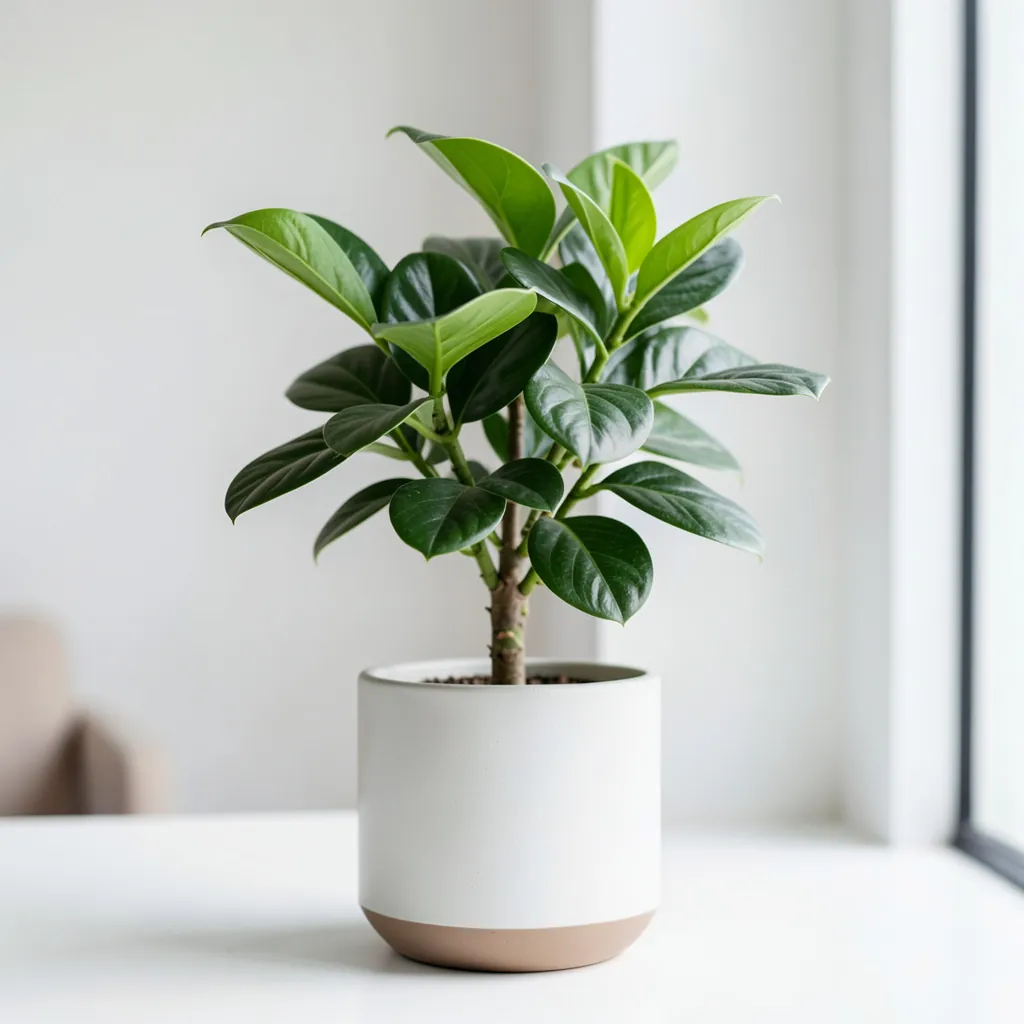
Is Pilea a Succulent? Care Guide for This Unique Houseplant
Contents
- Light
- Watering
- Humidity and Temperature
- Soil and Fertilizer
- Repotting
- Propagation
- 🩺 Common Problems
- 🐾 Pet Safety and Toxicity
- 💡 Care Tips
- ❓ FAQ
🪴 Pilea is a genus of compact, easy-to-grow houseplants with slightly succulent stems and attractive foliage. While not true succulents, some species like Pilea peperomioides exhibit low-level CAM (Crassulacean Acid Metabolism) photosynthesis, a trait shared with many succulents. Their popularity stems from unique leaf shapes, low maintenance needs, and pet-safe status.
Light: Bright indirect
Water: When top inch of soil is dry
Humidity: Average to high
Temperature: 65-80°F (18-27°C)
Soil: Well-draining
Difficulty: Easy
Toxicity: Pet-safe (cats and dogs)
Mature Size: 0.1-0.5 metres
Light
Pileas thrive in bright, indirect light (east or north-facing windows). Direct sun scorches leaves, causing brown patches, while low light leads to leggy growth and small leaves.
Watering
Water when the top inch of soil is dry. Reduce frequency in winter. Overwatering causes yellow leaves and root rot - ensure pots have drainage holes.
Humidity and Temperature
Keep at 65-80°F (18-27°C) with 40-50% humidity. Group plants or use pebble trays to increase humidity. Avoid cold drafts.
Soil and Fertilizer
Use well-draining soil (mix potting soil with perlite or sand). Fertilize monthly in spring/summer with balanced liquid fertilizer (10-10-10), diluted to half strength.
Repotting
- Repot every 2-3 years in spring
- Choose a pot 1-2 inches larger
- Use fresh well-draining soil
- Water thoroughly after repotting
Propagation
- Cut a stem with 2-3 leaves
- Place in water or moist soil
- Keep warm (70°F/21°C+) and humid
- Roots develop in 2-4 weeks
🩺 Common Problems
| Symptom | Cause | Fix |
|---|---|---|
| Yellow leaves | Overwatering | Let soil dry; improve drainage |
| Brown tips | Low humidity | Mist leaves or use humidifier |
| Drooping | Underwatering | Water thoroughly |
| Leggy growth | Low light | Move to brighter spot |
| White powder | Powdery mildew | Improve airflow; fungicide |
🐾 Pet Safety and Toxicity
All Pilea species are non-toxic to cats and dogs (confirmed by RHS). However, ingestion may cause mild stomach upset.
💡 Care Tips
- Rotate plant weekly for even growth
- Wipe leaves monthly to remove dust
- Avoid placing near AC/heating vents
- Propagate offsets to share with friends
❓ FAQ
Is Pilea a true succulent?
No, but some species have semi-succulent stems and limited CAM photosynthesis (Source 2, 4).
How often to water Pilea?
When top soil inch is dry - typically weekly in summer, biweekly in winter.
Why are leaves curling?
Usually underwatering or low humidity. Increase watering frequency and mist leaves.
Can Pilea tolerate low light?
It survives but thrives in bright, indirect light. Low light causes sparse growth.
How fast does Pilea grow?
Moderate growth, reaching maturity in 2-5 years (Source 1).
Related guides
- Aglaonema Care Guide: How to Grow Chinese Evergreen Indoors
- The Best Fertilizer for Houseplants: A Comprehensive Guide
- Best LED Grow Lights for Indoor Plants: Full-Spectrum Options Tested
- Bird’s Nest Fern Care Guide
- Caladium Care Guide: How to Grow Vibrant Foliage Indoors