How to Revive a Dying Indoor Plant: Step-by-Step Rescue Guide
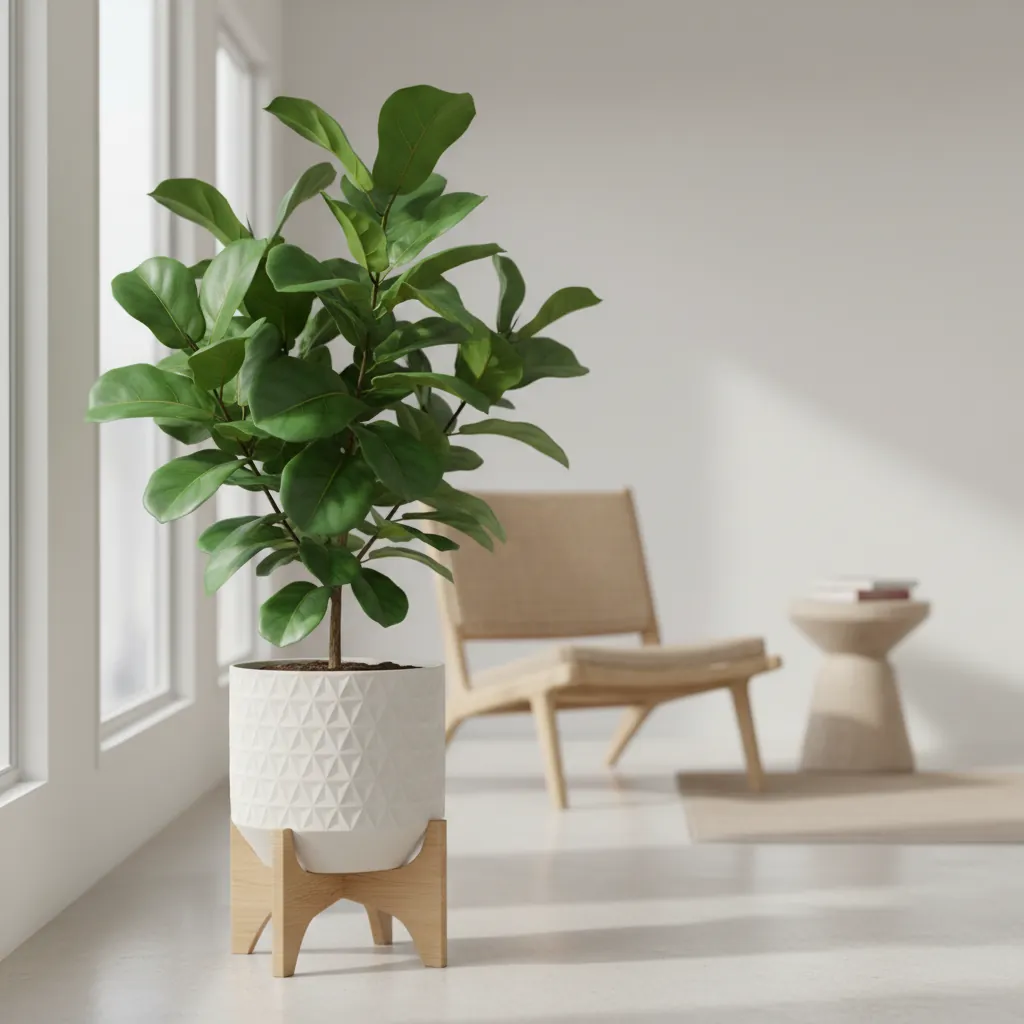
How to Revive a Dying Indoor Plant: Step-by-Step Rescue Guide
Contents
- Quick Care Summary
- How Do I Know If My Plant Can Be Saved?
- How Should I Rehydrate a Dried-Out Plant?
- What Are Common Revival Mistakes to Avoid?
- When Should I Repot a Dying Plant?
- How Can I Prevent Future Problems?
A dying indoor plant can often be revived with proper care, even if it appears lifeless. First, assess the damage: prune dead growth, check the roots, rehydrate dry soil thoroughly via bottom watering, adjust light/water conditions, and repot if needed. Plants with viable roots or green stems often recover within 3-8 weeks.
Quick Care Summary
- Light: Bright indirect light (avoid sudden sun exposure)
- Water: Bottom-water until soil is evenly moist; let top 1-2” dry between waterings
- Humidity: 40-60% for tropical plants; lower for succulents
- Temperature: 65-75°F (18-24°C) for most houseplants
- Soil: Well-draining mix (e.g., potting soil + perlite)
- Toxicity: Varies by plant—assume toxic to pets unless confirmed safe
How Do I Know If My Plant Can Be Saved?
- Check for green tissue: Scratch stems lightly; green or white moist inner layers indicate life.
- Inspect roots: Gently remove from pot. Healthy roots are firm and white/yellow; mushy/dry roots may need trimming.
- Assess damage: Plants with ≥50% viable roots/stems often recover (exceptions: ferns, delicate-calatheas).
How Should I Rehydrate a Dried-Out Plant?
| Method | Steps | Best For |
|---|---|---|
| Bottom-watering | Submerge pot in water 30-60 mins until surface moist | Severely dried soil |
| Hydrogen peroxide soak | Mix 1 part 3% H₂O₂ to 10 parts water; soak roots 2 mins | Root rot prevention |
| Repotting | Replace old soil with pre-moistened fresh mix | Hydrophobic/compacted soil |
What Are Common Revival Mistakes to Avoid?
- Overwatering after drought: Flooding stressed roots can cause rot. Rehydrate gradually.
- Direct sunlight: Move to bright indirect light only—no sudden sun exposure.
- Early fertilization: Wait until new growth appears (minimum 3-4 weeks).
When Should I Repot a Dying Plant?
- Root-bound plants: Roots circling pot or emerging from drainage holes.
- Soil issues: Moldy, foul-smelling, or hydrophobic soil.
- Root rot: Trim black/mushy roots; repot in sterile mix with extra perlite.
How Can I Prevent Future Problems?
- Consistent watering: Use a moisture meter or finger test—water when top 1-2” is dry.
- Pest checks: Wipe leaves monthly with damp cloth; treat infestations with insecticidal soap.
- Seasonal adjustments: Reduce water in winter; rotate plants for even light exposure.
FAQ
Can a plant recover with no leaves?
Yes, if stems/roots are viable (e.g., ZZ plants, dracaenas). New growth may emerge from nodes or base.
Why is my plant dying again after revival?
Likely due to repeated stress (e.g., inconsistent watering, low light, or poor soil). Review care requirements.
Are brown tips always a bad sign?
No—often caused by low humidity or mineral buildup. Trim tips; increase humidity to 40-50%.
How long does revival take?
3-8 weeks for most plants. Slow growers (e.g., snake plants) may take 3+ months.
Related guides
- Aglaonema Care Guide: How to Grow Chinese Evergreen Indoors
- The Best Fertilizer for Houseplants: A Comprehensive Guide
- Best LED Grow Lights for Indoor Plants: Full-Spectrum Options Tested
- Bird’s Nest Fern Care Guide
- Caladium Care Guide: How to Grow Vibrant Foliage Indoors