How to Propagate Monstera: A Complete Guide
How to Propagate Monstera: A Complete Guide
Contents
- Quick Care Summary
- How to Propagate Monstera: Step-by-Step Methods
- Comparison of Water vs. Soil Propagation
- Common Problems and Solutions
- FAQs
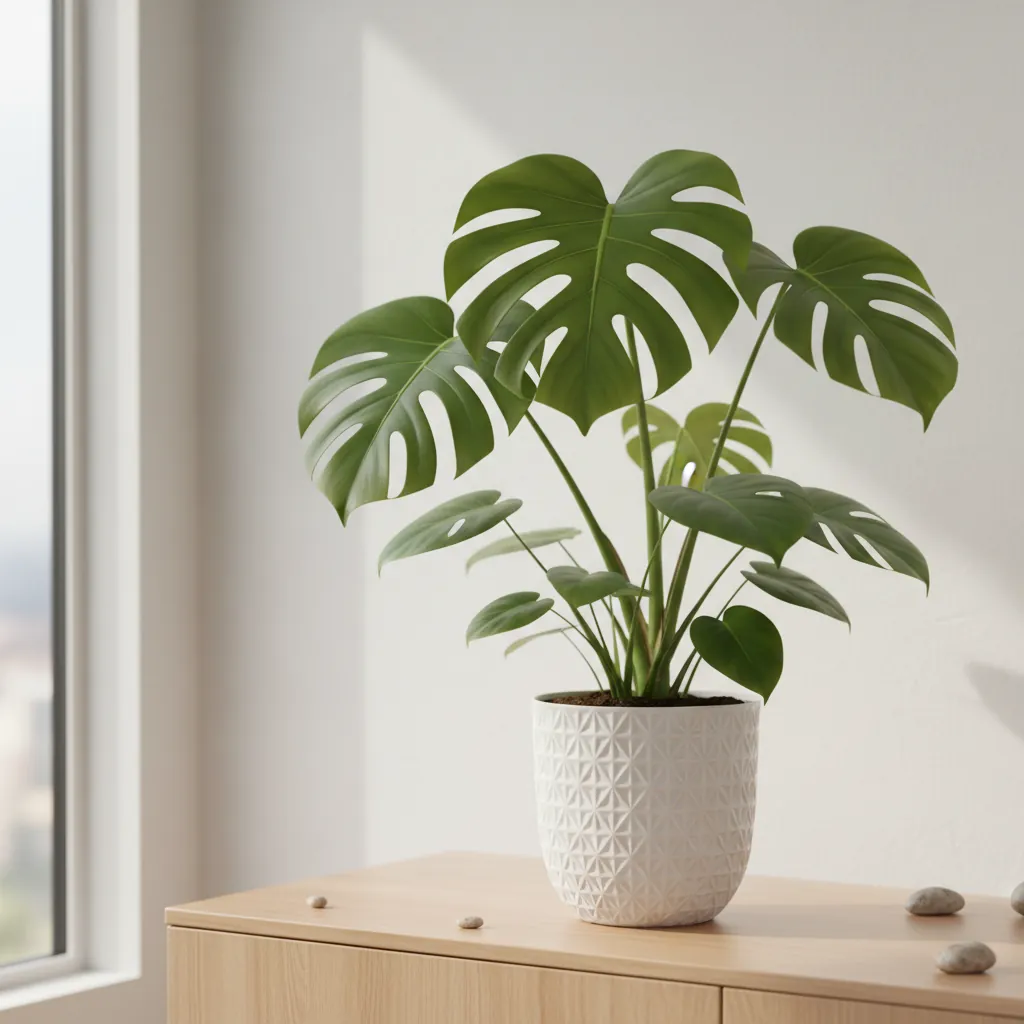
The Monstera deliciosa, often called the Swiss cheese plant, is a popular houseplant known for its large, glossy leaves with unique fenestrations. Propagating Monstera is a straightforward process that allows you to create new plants from your existing one, making it a favorite among plant enthusiasts.
Quick Care Summary
- Light: Bright, indirect light
- Water: Allow the top 1-2 inches of soil to dry between waterings
- Humidity: Prefers 60-80% humidity
- Temperature: Ideal range is 65-85°F (18-29°C)
- Soil: Well-draining, peat-based mix
- Toxicity: Toxic to pets if ingested
How to Propagate Monstera: Step-by-Step Methods
What You Need Before You Start
- A healthy parent plant with visible nodes
- Clean, sharp pruning shears or a knife
- Rooting hormone (optional)
- A glass of water or small pot with moist propagation mix
What to Cut: A Stem Section with a Node
Always cut a section of stem that includes at least one node, which is the small bump or ridge where leaves or aerial roots emerge. The cutting should also have one or two leaves attached. Aerial roots, if present, should be included as they enhance rooting success.
Method 1: Water Propagation
- Prepare the Cutting: Place the cutting in a jar or glass of water, ensuring the node is submerged while the leaf remains above water.
- Position the Jar: Place it in bright, indirect light, avoiding direct sunlight.
- Change the Water: Replace the water every 5-7 days to keep it fresh and prevent bacterial growth.
- Wait for Roots: Roots typically appear within 3-6 weeks. Once they reach 3-5 cm, pot the cutting in soil.
- Transition to Soil: Keep the soil moist for the first 2-3 weeks to help the roots adjust.
Method 2: Soil Propagation
- Prepare the Cutting: Dip the cut end in rooting hormone (optional).
- Plant the Cutting: Insert the cutting into a small pot with moist propagation mix, ensuring the node is buried or level with the soil.
- Create Humidity: Cover the pot with a clear plastic bag or propagation dome to maintain humidity.
- Place in Ideal Conditions: Keep the pot in bright, indirect light at 20-25°C (68-77°F).
- Check for Roots: Gently tug the cutting after 4-6 weeks. Resistance indicates root formation.
Comparison of Water vs. Soil Propagation
| Aspect | Water Propagation | Soil Propagation |
|---|---|---|
| Root Time | 3-6 weeks | 4-6 weeks |
| Ease | Easier, allows root observation | Slightly harder, roots hidden |
| Root Strength | Roots less adapted to soil | Stronger, soil-adapted roots |
| Success Rate | High | High |
Common Problems and Solutions
- Rotting Cuttings: Caused by dirty water or unclean cuts. Change water frequently and use a sharp, clean blade.
- No Root Development: Ensure the cutting includes a node and is kept in warm conditions.
- Yellow Leaves: Normal if lower leaves yellow after propagation. If all leaves yellow, check for overwatering or insufficient light.
- Slow Growth in Winter: Propagation is slower during colder months. Propagate in spring or summer for faster results.
FAQs
Can I propagate Monstera from a leaf?
No, propagation requires a node. A leaf alone, even with a petiole, will not root or grow into a new plant.
How long does Monstera propagation take?
Roots typically appear in 3-6 weeks in water and 4-6 weeks in soil, depending on temperature and conditions.
Is Monstera propagation pet-safe?
No, Monstera is toxic to pets if ingested. Keep cuttings and propagated plants out of reach.
Can I propagate variegated Monstera?
Yes, but variegated varieties root more slowly. Use bottom heat and maintain consistent conditions for best results.
Related guides
- Aglaonema Care Guide: How to Grow Chinese Evergreen Indoors
- The Best Fertilizer for Houseplants: A Comprehensive Guide
- Best LED Grow Lights for Indoor Plants: Full-Spectrum Options Tested
- Bird’s Nest Fern Care Guide
- Caladium Care Guide: How to Grow Vibrant Foliage Indoors