How to Fix Root Rot in Indoor Plants
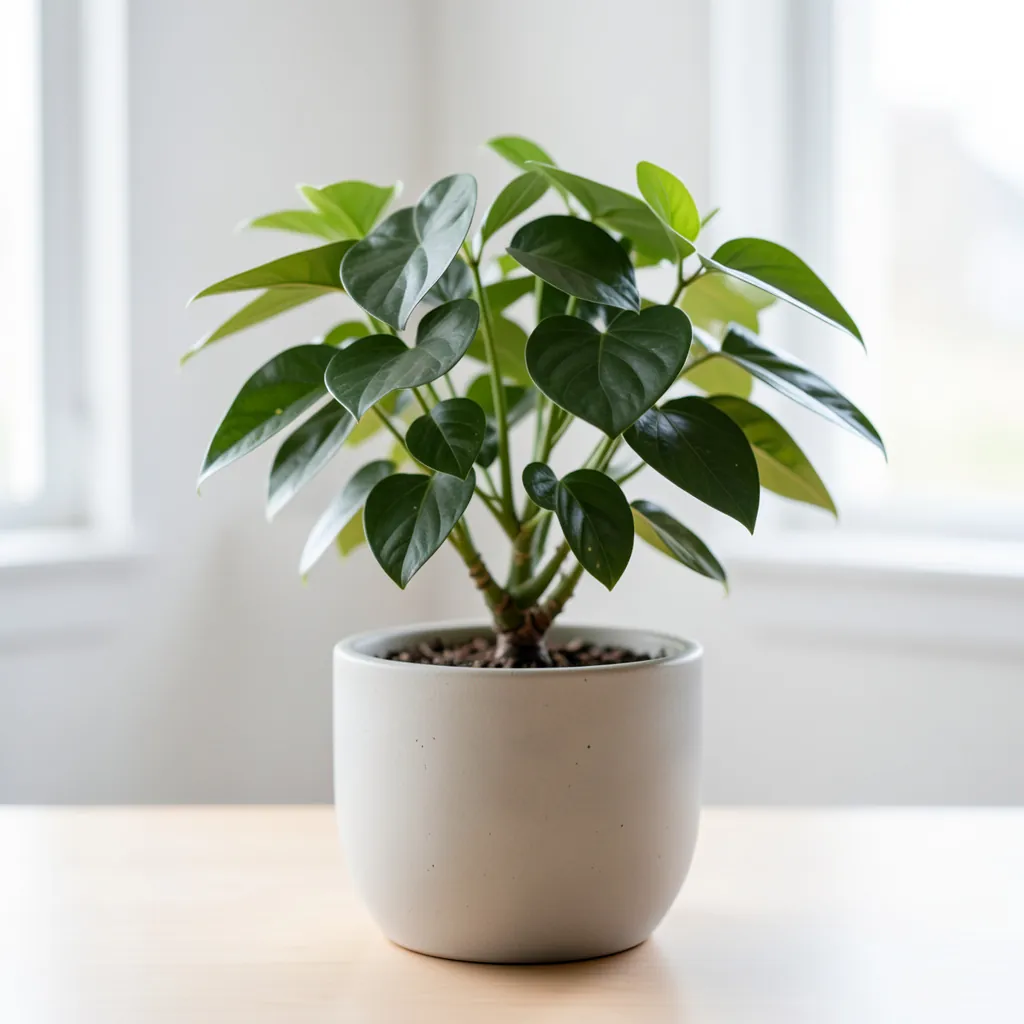
How to Fix Root Rot in Indoor Plants
Contents
- Signs of Root Rot
- How to Diagnose Root Rot
- Steps to Fix Root Rot
- Preventing Root Rot
- 🩺 Common Problems: Symptom, Cause, and Fix
- 🐾 Pet Safety and Toxicity
- 💡 Care Tips
- ❓ FAQ
🪴 Indoor plants add beauty and life to our homes, but root rot can quickly turn thriving greenery into a wilting mess. Root rot occurs when overwatering, poor drainage, or fungal infections damage a plant’s root system. With prompt action, you can save your plant and restore its health.
Signs of Root Rot
How do you know if your plant has root rot? Look for these common symptoms:
- Yellowing leaves: Lower leaves turn yellow and drop.
- Wilting: The plant looks limp even when the soil is wet.
- Foul odor: The soil smells sour or rotten.
- Soft stems: The base of the stem feels mushy.
- Slow drying soil: The soil stays wet for extended periods.
If you notice these signs, it’s time to inspect the roots.
How to Diagnose Root Rot
- Remove the plant: Gently take the plant out of its pot.
- Inspect the roots: Healthy roots are firm and white or light brown. Rotted roots are dark brown, mushy, or hollow.
- Check for odor: A rotten smell confirms root rot.
Steps to Fix Root Rot
1. Trim the Rotted Roots
- Use clean, sterilized scissors or a knife to cut away all rotted roots. Cut until you see healthy white tissue.
- Sterilize your tools with alcohol before and after use.
2. Repot in Fresh Soil
- Choose a well-draining potting mix. A blend of houseplant soil, perlite, and vermiculite works well.
- Use a pot with drainage holes, and avoid oversized pots.
3. Adjust Watering Habits
- Let the soil dry out before watering again. Use the bamboo skewer test: Insert a skewer into the soil; if it comes out dry, it’s time to water.
- Reduce watering in winter when plants are dormant.
4. Monitor Recovery
- Place the plant in bright, indirect light. Avoid direct sunlight.
- Do not fertilize for 1-2 months. Focus on root recovery first.
Preventing Root Rot
| Prevention Tips | Details |
|---|---|
| Watering | Only water when the top inch of soil is dry. Avoid watering on a fixed schedule. |
| Drainage | Use pots with drainage holes. Empty saucers after watering. |
| Soil | Use well-draining soil and avoid compacted or old soil. |
| Pot Size | Choose a pot only slightly larger than the root ball. |
🩺 Common Problems: Symptom, Cause, and Fix
| Symptom | Cause | Fix |
|---|---|---|
| Yellow leaves | Overwatering or root rot | Trim rotted roots, repot, reduce watering |
| Wilting | Root rot or underwatering | Check soil moisture, inspect roots |
| Brown leaf tips | Low humidity or overwatering | Increase humidity, adjust watering |
| Mushy stems | Root rot | Trim rotted roots, repot |
🐾 Pet Safety and Toxicity
Some indoor plants can be toxic to pets like cats and dogs. Always check the toxicity of your plants before bringing them into your home. If in doubt, opt for pet-safe species.
💡 Care Tips
- Use the skewer test: Check soil moisture with a wooden skewer before watering.
- Avoid oversized pots: Large pots retain excess water, increasing rot risk.
- Sterilize tools: Always clean pruning tools to prevent disease spread.
- Monitor light and airflow: Ensure your plant gets appropriate light and ventilation.
❓ FAQ
Q: How often should I water my indoor plant?
A: Water only when the top inch of soil is dry. Frequency depends on plant type, season, and environment.
Q: Can a plant recover from severe root rot?
A: Yes, if at least 30% of healthy roots remain. Trim damaged roots and repot in fresh soil.
Q: What soil is best for preventing root rot?
A: Use a well-draining mix, such as houseplant soil blended with perlite and vermiculite.
Q: Is root rot contagious to other plants?
A: Yes, fungal spores can spread. Sterilize tools and avoid reusing infected soil.
Related guides
- Aglaonema Care Guide: How to Grow Chinese Evergreen Indoors
- The Best Fertilizer for Houseplants: A Comprehensive Guide
- Best LED Grow Lights for Indoor Plants: Full-Spectrum Options Tested
- Bird’s Nest Fern Care Guide
- Caladium Care Guide: How to Grow Vibrant Foliage Indoors