🪴 Birds Nest Fern Care Guide
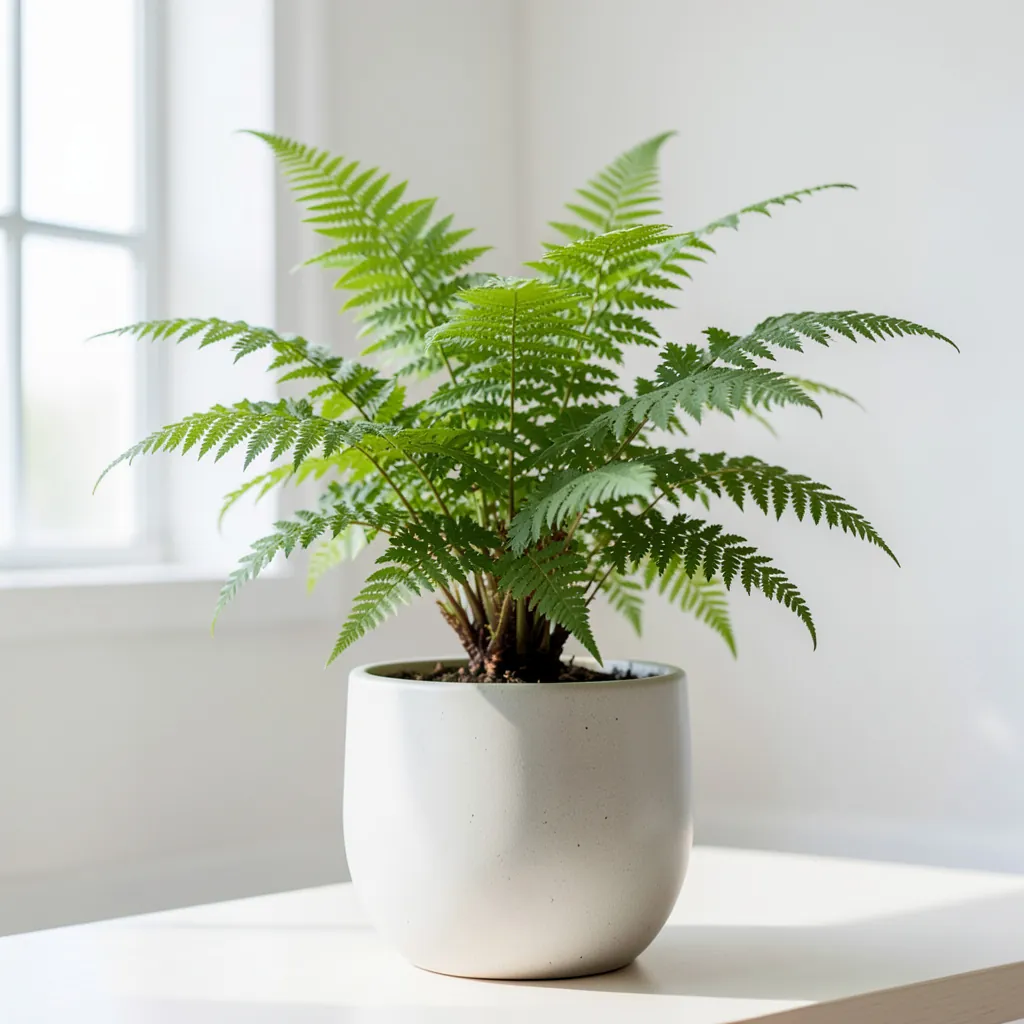
🪴 Birds Nest Fern Care Guide
Contents
- How Much Light Does a Birds Nest Fern Need?
- How Often Should I Water a Birds Nest Fern?
- What Humidity and Temperature Are Best for Birds Nest Ferns?
- What Soil and Fertilizer Should I Use?
- When and How Should I Repot My Birds Nest Fern?
- How Can I Propagate My Birds Nest Fern?
- 🩺 Common Problems and Solutions
- 🐾 Is Birds Nest Fern Safe for Pets?
- 💡 Care Tips for Beginners
- ❓ Frequently Asked Questions
The Birds Nest Fern (Asplenium nidus) is a popular indoor plant known for its lush, wavy fronds that unfurl from a central rosette, resembling a bird’s nest. It’s a favorite for its tropical aesthetic and relatively easy care, making it ideal for beginners and plant enthusiasts alike. This guide covers everything you need to know to keep your Birds Nest Fern thriving.
Light: Bright indirect
Water: When the top inch of soil is dry
Humidity: Average to high
Temperature: 65-80°F (18-27°C)
Soil: Well-draining
Difficulty: Easy
Toxicity: Pet-safe
How Much Light Does a Birds Nest Fern Need?
Birds Nest Ferns thrive in bright, indirect light. Direct sunlight can scorch their delicate fronds, causing them to turn pale or crispy. Place them near an east or north-facing window for optimal results. If grown in low light, the plant may become leggy and lose its vibrant color.
How Often Should I Water a Birds Nest Fern?
Water your Birds Nest Fern when the top inch of soil feels dry. Avoid watering directly into the center of the rosette, as this can lead to crown rot. Instead, water around the edges of the pot. Ensure the soil stays consistently moist but not waterlogged. Reduce watering slightly in winter.
What Humidity and Temperature Are Best for Birds Nest Ferns?
These ferns prefer high humidity (50% or more) and temperatures between 65-80°F (18-27°C). To increase humidity, use a humidifier, place the pot on a pebble tray with water, or group it with other plants. Avoid cold drafts and sudden temperature changes, which can stress the plant.
What Soil and Fertilizer Should I Use?
Use a well-draining, airy potting mix — a blend of orchid bark, peat moss, and perlite works well. Fertilize monthly during the growing season (spring and summer) with a balanced, diluted liquid fertilizer. Over-fertilizing can cause leaf discoloration or deformities.
When and How Should I Repot My Birds Nest Fern?
Repot every 2-3 years or when the plant becomes unstable in its current pot. Choose a slightly larger pot with drainage holes. Carefully remove the plant, loosen the roots, and place it in fresh soil at the same depth as before. Repotting is best done in spring.
How Can I Propagate My Birds Nest Fern?
Propagation is tricky for Birds Nest Ferns. They cannot be divided, as they grow from a single rosette. The most reliable method is through spores, which are slow and require patience. Collect spores from the underside of mature fronds and scatter them on moist sphagnum moss under controlled conditions.
🩺 Common Problems and Solutions
| Symptom | Cause | Fix |
|---|---|---|
| Yellow leaves | Overwatering or poor drainage | Reduce watering, ensure proper drainage |
| Brown/crispy tips | Low humidity or direct sun | Increase humidity, move to indirect light |
| Drooping fronds | Underwatering | Water thoroughly |
| Mushy/root rot | Overwatering | Repot in fresh, well-draining soil |
| No new growth | Too much fertilizer or crown rot | Flush soil, stop fertilizing |
🐾 Is Birds Nest Fern Safe for Pets?
Yes, Birds Nest Ferns are non-toxic to cats and dogs, making them a safe choice for pet owners.
💡 Care Tips for Beginners
- Avoid watering the center rosette to prevent crown rot.
- Use filtered or rainwater to avoid leaf tip browning from chlorine or fluoride.
- Keep humidity high with a humidifier or pebble tray.
- Fertilize sparingly — too much can harm the plant.
- Repot only when necessary to avoid stressing the plant.
❓ Frequently Asked Questions
Q: Why are the edges of my fern turning brown?
A: This is often due to low humidity or chlorine in tap water. Increase humidity and use filtered water.
Q: Can Birds Nest Ferns grow outdoors?
A: Yes, in warm, humid climates (zones 10-13). In cooler areas, keep them indoors.
Q: How fast does a Birds Nest Fern grow?
A: They grow slowly, reaching 2-3 feet indoors over several years.
Q: Is misting helpful for Birds Nest Ferns?
A: Misting can raise humidity briefly, but avoid misting the center rosette to prevent rot.
Q: Can I propagate my Birds Nest Fern from cuttings?
A: No, they cannot be propagated from cuttings. Use spores instead.
Related guides
- Aglaonema Care Guide: How to Grow Chinese Evergreen Indoors
- The Best Fertilizer for Houseplants: A Comprehensive Guide
- Best LED Grow Lights for Indoor Plants: Full-Spectrum Options Tested
- Bird’s Nest Fern Care Guide
- Caladium Care Guide: How to Grow Vibrant Foliage Indoors