English Ivy Care Guide
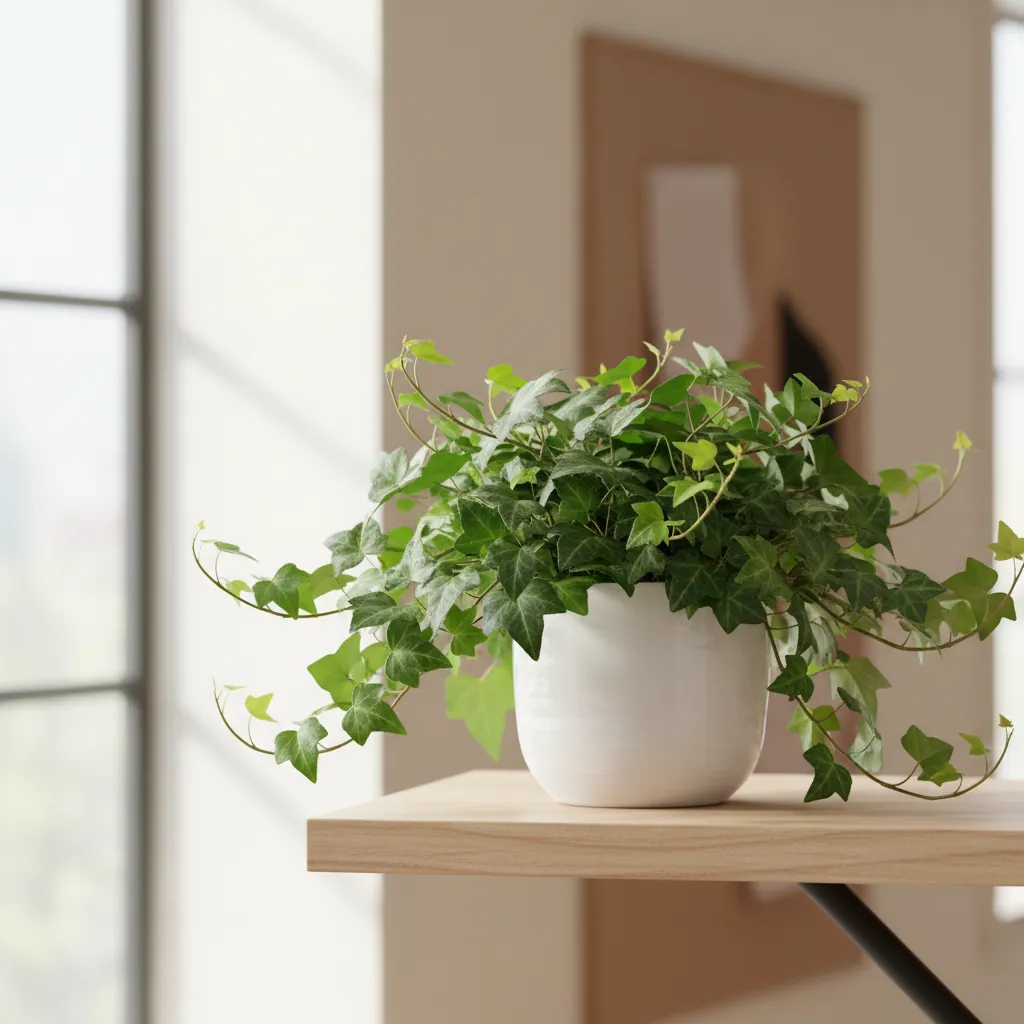
English Ivy Care Guide
Contents
- Quick Care Summary
- How Often Should I Water English Ivy?
- What Light is Best for English Ivy?
- What Soil Does English Ivy Need?
- How Do I Propagate English Ivy?
- Common Problems & Solutions
English Ivy (Hedera helix) is a classic, evergreen vine known for its glossy green leaves and versatile growth habits. Popular for its air-purifying abilities and adaptability, it’s a favorite for indoor décor, trailing gracefully from shelves or climbing trellises. With proper care, it thrives indoors, adding lush greenery to your space.
Quick Care Summary
- Light: Bright, indirect light (tolerates low light).
- Water: Keep soil slightly moist; water when the top inch is dry.
- Humidity: Moderate to high (40-60%).
- Temperature: 50°F to 70°F (10°C to 21°C).
- Soil: Well-draining mix (peat moss, perlite, vermiculite).
- Toxicity: Toxic to pets and humans if ingested.
How Often Should I Water English Ivy?
English Ivy prefers slightly moist soil but is prone to root rot if overwatered. Check the top inch of soil; if it feels dry, it’s time to water. In summer, water every 6–10 days, and in winter, reduce to every 10–14 days. Ensure the pot has drainage holes to prevent waterlogging.
What Light is Best for English Ivy?
English Ivy thrives in bright, indirect light, such as near a window with filtered sunlight. It can tolerate low light conditions, but growth may slow, and leaves may lose vibrancy. Avoid direct sunlight, which can scorch the leaves. If natural light is insufficient, supplement with LED grow lights.
What Soil Does English Ivy Need?
Use well-draining soil to prevent waterlogging. A mix of peat moss, perlite, and vermiculite works well. Avoid heavy or compacted soils, as they can lead to root rot. Repot every 1–2 years to refresh the soil and accommodate root growth.
How Do I Propagate English Ivy?
Propagate English Ivy using stem cuttings:
- Cut a healthy stem 4–6 inches long, just below a node.
- Remove leaves from the lower 2 inches.
- Optionally, dip the cut end in rooting hormone.
- Plant in moist soil, burying the cut end 2 inches deep.
- Place in bright, indirect light and check for roots in a few weeks.
Common Problems & Solutions
- Yellow Leaves: Overwatering or poor drainage. Allow the soil to dry slightly between waterings.
- Pests: Watch for spider mites, mealybugs, or scale insects. Treat with insecticidal soap or neem oil.
- Leggy Growth: Insufficient light. Move the plant to a brighter location or use grow lights.
- Root Rot: Caused by overwatering. Repot in fresh, well-draining soil and trim affected roots.
FAQ
Q1: Is English Ivy toxic to pets?
Yes, English Ivy is toxic to both pets and humans if ingested. Keep it out of reach of curious animals and children.
Q2: Can English Ivy grow in shade?
Yes, it can tolerate low light conditions, but it thrives best in bright, indirect light. Growth may slow in deeper shade.
Q3: Should I mist my English Ivy?
Misting can help increase humidity in dry environments, but it’s not essential. Avoid over-wetting the leaves to prevent mold or mildew.
Q4: How often should I fertilize English Ivy?
Fertilize every two weeks during the growing season (spring to early autumn) with a balanced 20-20-20 fertilizer diluted to half strength. Reduce or stop fertilizing in fall and winter.
Q5: When should I repot English Ivy?
Repot annually for small plants and every 2 years for larger ones. Signs it needs repotting include roots growing through drainage holes or slow growth.
Related guides
- Chinese Evergreen Care Guide
- Fiddle Leaf Fig Care Guide
- Pilea Peperomioides Care Guide: How to Grow a Thriving Chinese Money Plant
- Pothos Care: A Complete Guide to Growing Devil’s Ivy Indoors
- How to Care for Aloe Vera: A Complete Guide to Thriving Plants