Devil's Ivy Plant Care Guide: How to Grow a Thriving Epipremnum 🪴
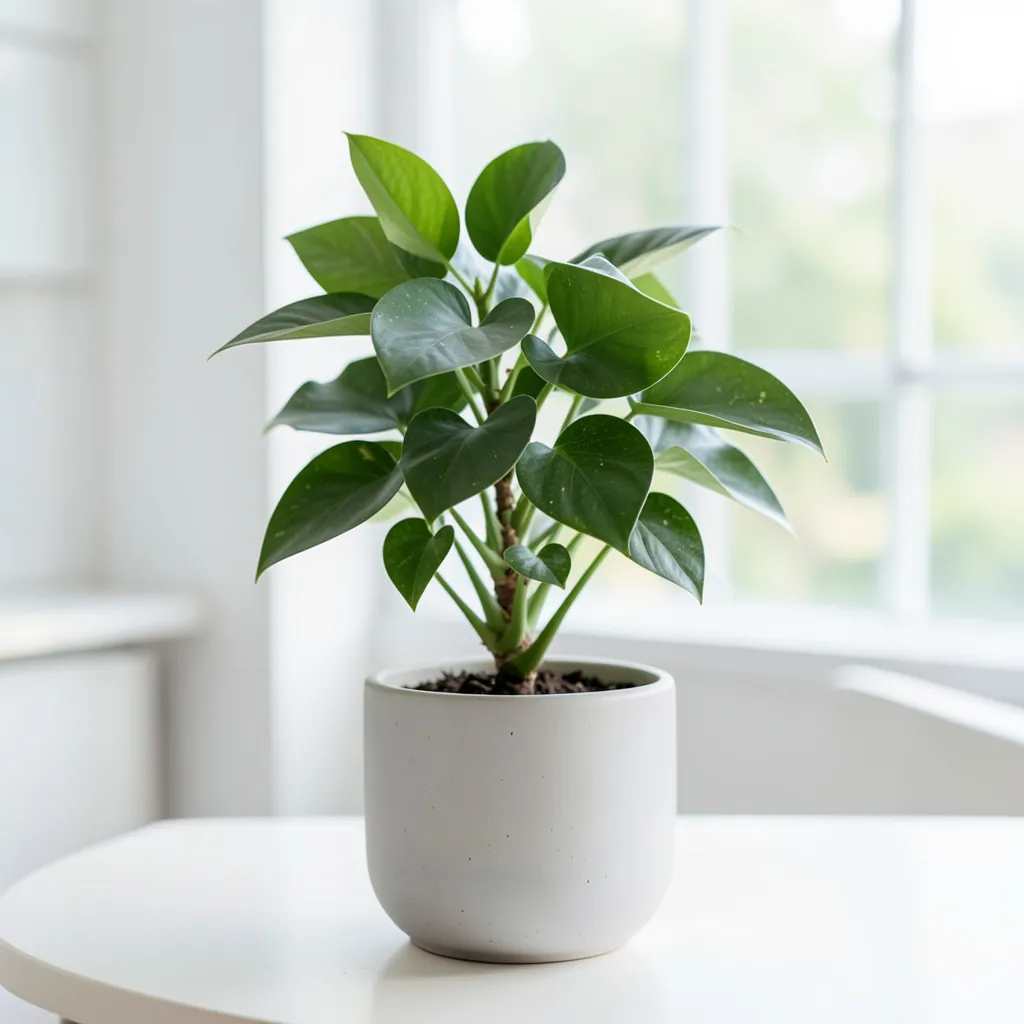
Devil’s Ivy Plant Care Guide: How to Grow a Thriving Epipremnum 🪴
Contents
- Light
- Watering
- Humidity and Temperature
- Soil and Fertilizer
- Repotting
- Propagation
- 🩺 Common Problems
- 🐾 Pet Safety and Toxicity
- 💡 Care Tips
- ❓ FAQ
Devil’s Ivy (Epipremnum aureum), also known as Pothos, is a popular indoor plant prized for its lush, trailing vines and heart-shaped leaves. It’s a low-maintenance, fast-growing plant that thrives in a variety of conditions, making it perfect for beginners and seasoned plant enthusiasts alike.
Light: Bright indirect
Water: When the top inch of soil is dry
Humidity: Average to high
Temperature: 65-80°F (18-27°C)
Soil: Well-draining
Difficulty: Easy
Toxicity: Toxic to cats and dogs
Mature Size: 2-3 ft
Light
How much light does Devil’s Ivy need?
Devil’s Ivy thrives in bright, indirect light but can tolerate low-light conditions. Direct sunlight can scorch the leaves, while too little light may cause slower growth and loss of variegation. Place it near an east or west-facing window with filtered light for optimal growth.
Watering
How often should I water Devil’s Ivy?
Water when the top inch of soil feels dry, typically once a week. Overwatering can lead to root rot, so ensure the pot has drainage holes and avoid letting the plant sit in water. Reduce watering in winter when the plant’s growth slows.
Humidity and Temperature
What humidity and temperature are best?
Devil’s Ivy prefers temperatures between 65-80°F (18-27°C) and average to high humidity. While it can adapt to lower humidity, misting the leaves or placing a humidifier nearby can help maintain lush foliage. Avoid cold drafts and direct heat sources like radiators.
Soil and Fertilizer
What soil and fertilizer should I use?
Use a well-draining potting mix, ideally with added perlite or orchid bark for aeration. Feed monthly with a balanced liquid fertilizer during the growing season (spring to fall) to encourage healthy growth.
Repotting
When and how should I repot Devil’s Ivy?
Repot every 2-3 years or when roots emerge from the drainage holes. Follow these steps:
- Choose a pot one size larger with drainage holes.
- Gently remove the plant from its current pot.
- Loosen the roots and place the plant in the new pot.
- Fill with fresh potting mix and water thoroughly.
Propagation
How do I propagate Devil’s Ivy?
Propagate through stem cuttings:
- Cut a stem with 2-3 nodes below a leaf.
- Place the cutting in water or moist soil.
- Keep it in bright, indirect light.
- Once roots develop (2-4 weeks), transfer to soil.
🩺 Common Problems
| Symptom | Cause | Fix |
|---|---|---|
| Yellow leaves | Overwatering | Let soil dry before watering |
| Brown/crispy tips | Low humidity | Mist leaves or use a humidifier |
| Drooping | Underwatering or root rot | Adjust watering and check roots |
| Leaves curling | Too much light or dry air | Move to indirect light and mist |
| Mushy roots | Root rot | Trim rotten roots and repot |
| Not growing | Low light or lack of nutrients | Move to brighter light or fertilize |
🐾 Pet Safety and Toxicity
Devil’s Ivy is toxic to cats and dogs if ingested. Keep it out of reach of pets and wash your hands after handling. Symptoms of poisoning include vomiting, drooling, and difficulty swallowing.
💡 Care Tips
- Rotate the plant occasionally for even growth.
- Wipe leaves with a damp cloth to remove dust and improve photosynthesis.
- Avoid overwatering by checking soil moisture before watering.
- Prune leggy stems to encourage bushier growth.
❓ FAQ
Is Devil’s Ivy toxic to cats and dogs?
Yes, Devil’s Ivy is toxic to both cats and dogs if ingested.
How often should I water Devil’s Ivy?
Water when the top inch of soil is dry, usually once a week.
Why are the leaves turning yellow?
Yellow leaves are often a sign of overwatering. Let the soil dry out before watering again.
How much light does Devil’s Ivy need?
It thrives in bright, indirect light but can tolerate low light.
How fast does Devil’s Ivy grow?
With proper care, Devil’s Ivy can grow up to 12 inches per month.
Can I propagate Devil’s Ivy in water?
Yes, cuttings root easily in water and can be transferred to soil once roots develop.
Related guides
- Aglaonema Care Guide: How to Grow Chinese Evergreen Indoors
- The Best Fertilizer for Houseplants: A Comprehensive Guide
- Best LED Grow Lights for Indoor Plants: Full-Spectrum Options Tested
- Bird’s Nest Fern Care Guide
- Caladium Care Guide: How to Grow Vibrant Foliage Indoors