Chinese Evergreen Care Guide
Chinese Evergreen Care Guide
Contents
- Quick Care Summary
- How Often Should I Water My Chinese Evergreen?
- What Light Conditions Are Best for Chinese Evergreen?
- What Soil and Repotting Tips Should I Follow?
- How Do I Propagate My Chinese Evergreen?
- What Are Common Problems with Chinese Evergreen?
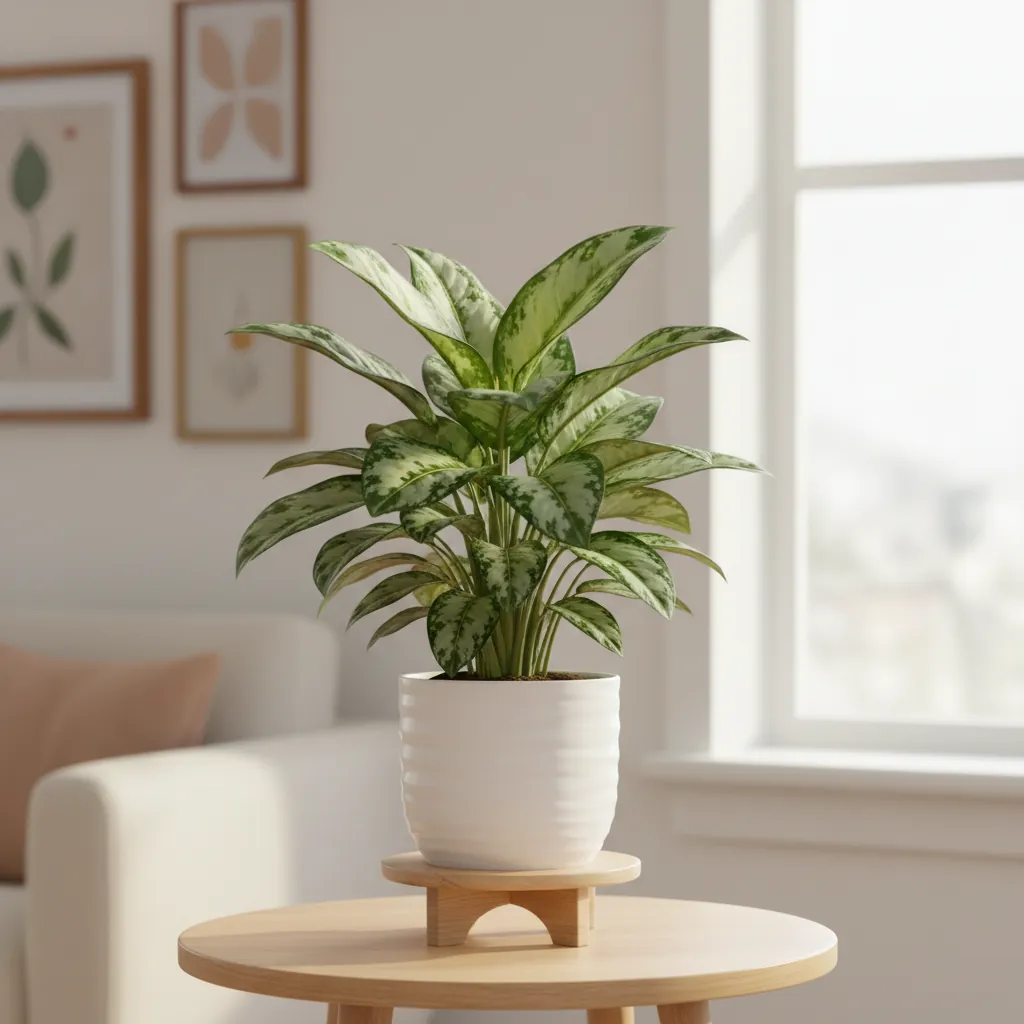
The Chinese Evergreen (Aglaonema) is a popular tropical houseplant prized for its lush, decorative foliage and easy-care nature. Its leaves come in a range of colors, from deep green to silver, pink, and red, making it a versatile addition to any indoor space. Known for its air-purifying qualities and tolerance to low light, it’s an excellent choice for beginners and experienced plant owners alike.
Quick Care Summary
- Light: Low to medium indirect light; variegated varieties need slightly brighter light.
- Water: Allow the top 1-2 inches of soil to dry between waterings; reduce in winter.
- Humidity: Prefers moderate humidity (60-70%) but tolerates average indoor humidity.
- Temperature: Keep between 65-80°F; avoid temperatures below 60°F.
- Soil: Well-draining, rich potting mix with perlite or orchid bark.
- Toxicity: Toxic to pets and humans if ingested.
How Often Should I Water My Chinese Evergreen?
Chinese Evergreens prefer to dry out slightly between waterings. Water thoroughly when the top 1-2 inches of soil feel dry, ensuring excess water drains away to prevent root rot. During the growing season (spring and summer), water every 7-10 days, and reduce frequency in winter.
What Light Conditions Are Best for Chinese Evergreen?
Chinese Evergreens thrive in low to medium indirect light. Green varieties tolerate low light, while variegated types need slightly brighter light to maintain their colors. Avoid direct sunlight, which can scorch the leaves.
What Soil and Repotting Tips Should I Follow?
Use a well-draining potting mix enriched with perlite or orchid bark. Repot every 2-3 years in spring or summer, choosing a pot 1-2 inches larger in diameter. Ensure the pot has drainage holes to prevent waterlogging.
How Do I Propagate My Chinese Evergreen?
Propagation is best done through division:
- Gently remove the plant from its pot.
- Separate a healthy shoot with roots from the main plant.
- Plant the division in fresh soil and water thoroughly.
What Are Common Problems with Chinese Evergreen?
- Yellow Leaves: Overwatering is the most common cause. Let the soil dry out before watering again.
- Brown Leaf Edges: Low humidity or underwatering. Increase humidity or adjust watering.
- Pests: Watch for mealybugs, spider mites, and aphids. Treat with neem oil or insecticidal soap.
- Root Rot: Caused by waterlogged soil. Ensure proper drainage and avoid overwatering.
FAQ
Is Chinese Evergreen toxic to pets?
Yes, Chinese Evergreen is toxic to cats and dogs if ingested. Keep it out of reach of pets.
Can Chinese Evergreen grow in low light?
Yes, green varieties thrive in low light, but variegated types need brighter indirect light to maintain their colors.
How do I increase humidity for my Chinese Evergreen?
Use a humidifier, mist the leaves regularly, or place the plant on a pebble tray filled with water.
Why are my Chinese Evergreen’s leaves turning yellow?
Yellow leaves are often a sign of overwatering. Let the soil dry out before watering again.
Does Chinese Evergreen flower?
Mature plants may produce small, calla lily-like blooms in spring or summer, but many prefer to remove them to focus energy on foliage growth.
Related guides
- Fiddle Leaf Fig Care Guide
- Pothos Care: A Complete Guide to Growing Devil’s Ivy Indoors
- How to Care for Aloe Vera: A Complete Guide to Thriving Plants
- Jade Plant Care Guide
- Monstera Care Guide