🪴 Caring for Pilea Peperomioides: A Complete Guide
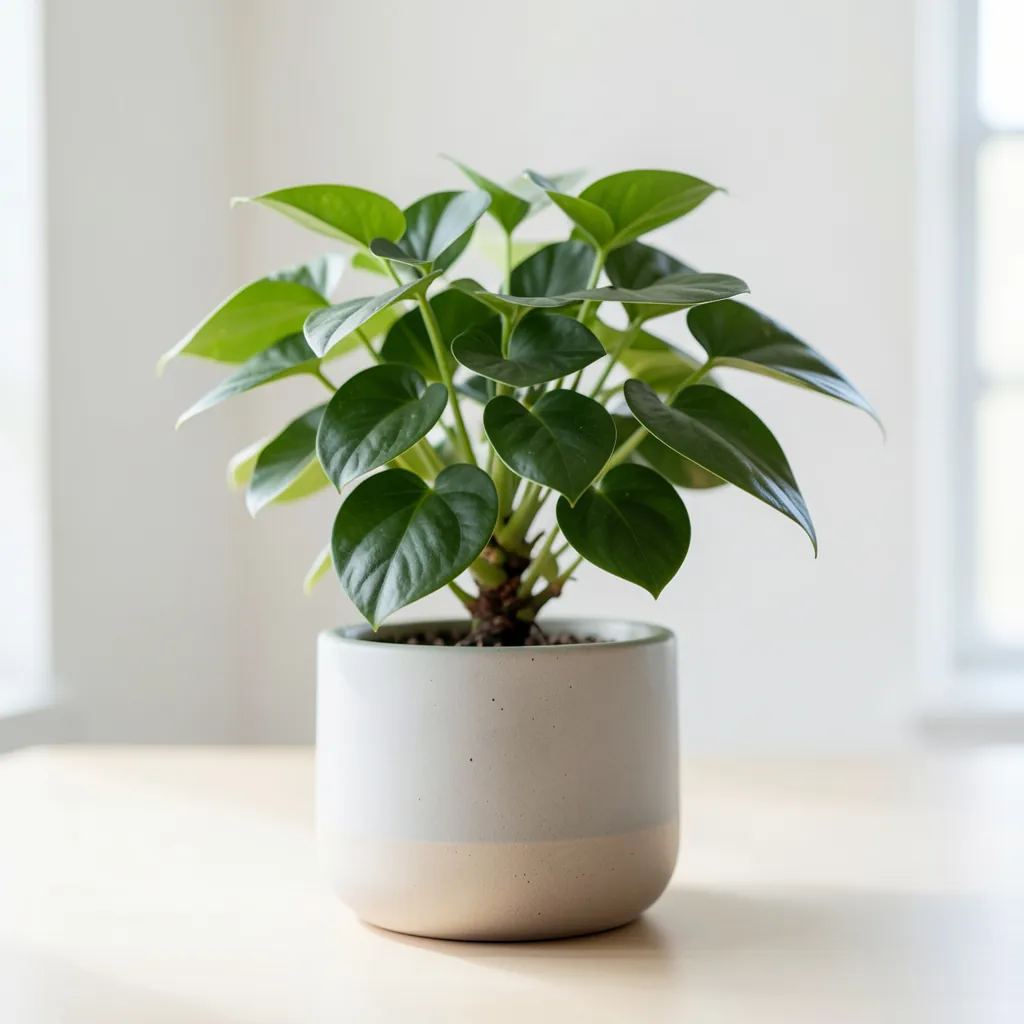
🪴 Caring for Pilea Peperomioides: A Complete Guide
Contents
- How much light does Pilea peperomioides need?
- How often should I water Pilea peperomioides?
- What humidity and temperature are best for Pilea peperomioides?
- What soil and fertilizer should I use for Pilea peperomioides?
- How do I repot Pilea peperomioides?
- How do I propagate Pilea peperomioides?
- 🩺 Common Problems
- 🐾 Pet Safety and Toxicity
- 💡 Care Tips
- ❓ FAQ
Pilea peperomioides, also known as the Chinese Money Plant, is a popular houseplant loved for its quirky, coin-shaped leaves and easy-going nature. It’s a great choice for beginners and adds a unique touch to any indoor space.
Light: Bright indirect
Water: When the top inch of soil is dry
Humidity: Average to high
Temperature: 65-80°F (18-27°C)
Soil: Well-draining
Difficulty: Easy
Toxicity: Toxic to cats and dogs
Mature Size: 2-3 ft
How much light does Pilea peperomioides need?
Pilea peperomioides thrives in bright, indirect light. Place it near an east- or west-facing window, but protect it from direct midday sun, which can scorch its leaves. If the plant leans toward the light, rotate the pot weekly to ensure even growth. Low light can cause leggy stems and sparse leaves.
How often should I water Pilea peperomioides?
Water your Pilea when the top inch of soil feels dry. Overwatering can lead to root rot, so ensure the pot has drainage holes and discard excess water from the saucer. In winter, reduce watering as the plant’s growth slows. Signs of overwatering include yellowing leaves and mushy stems.
What humidity and temperature are best for Pilea peperomioides?
Pilea peperomioides prefers average indoor humidity (40-50%) but tolerates higher levels. Avoid placing it near drafts or heating vents, as it thrives in stable temperatures between 65-80°F (18-27°C). Cold temperatures below 50°F (10°C) can damage the plant.
What soil and fertilizer should I use for Pilea peperomioides?
Use a well-draining, peat-free potting mix with added perlite or bark for aeration. Fertilize monthly during the growing season (spring to summer) with a balanced liquid fertilizer diluted to half strength. Avoid over-fertilizing, which can harm the plant.
How do I repot Pilea peperomioides?
Repot your Pilea every 2-3 years or when roots become crowded.
- Choose a pot 1-2 inches larger in diameter.
- Gently remove the plant from its current pot.
- Loosen the roots and place it in the new pot with fresh soil.
- Water lightly and place in a stable, bright location.
How do I propagate Pilea peperomioides?
Pilea peperomioides propagates easily through offsets or stem cuttings.
- For offsets, wait until they have a few leaves and roots.
- Gently separate the offset from the mother plant.
- Plant it in a small pot with well-draining soil.
- Keep the soil slightly moist until established.
🩺 Common Problems
| Symptom | Cause | Fix |
|---|---|---|
| Yellow leaves | Overwatering | Reduce watering, ensure drainage |
| Drooping leaves | Underwatering | Water thoroughly when soil is dry |
| Brown/crispy tips | Low humidity or sunburn | Increase humidity, move away from direct sun |
| Leaves curling | Temperature stress | Keep in stable, warm conditions |
| Mushy stems/root rot | Overwatering | Repot in fresh soil, trim damaged roots |
| No growth | Low light or lack of nutrients | Move to brighter light, fertilize monthly |
🐾 Pet Safety and Toxicity
Pilea peperomioides is toxic to cats and dogs if ingested. Keep it out of reach of pets to avoid potential health issues.
💡 Care Tips
- Rotate the plant weekly for even growth.
- Avoid overwatering—let the top inch of soil dry out first.
- Propagate offsets to expand your Pilea collection.
- Keep away from cold drafts and direct sunlight.
- Dust the leaves regularly to maintain their glossy appearance.
❓ FAQ
Is Pilea peperomioides toxic to cats?
Yes, it’s toxic to cats and dogs if ingested.
How often should I water my Pilea peperomioides?
Water when the top inch of soil is dry, typically once a week in summer and less in winter.
Why are my Pilea’s leaves turning yellow?
Yellow leaves usually indicate overwatering. Allow the soil to dry out between waterings.
How much light does Pilea peperomioides need?
It thrives in bright, indirect light but can tolerate medium light.
How fast does Pilea peperomioides grow?
It grows moderately fast, reaching 2-3 feet in height within a few years.
How do I propagate Pilea peperomioides?
Propagate using offsets or stem cuttings planted in well-draining soil.
Related guides
- Aglaonema Care Guide: How to Grow Chinese Evergreen Indoors
- The Best Fertilizer for Houseplants: A Comprehensive Guide
- Best LED Grow Lights for Indoor Plants: Full-Spectrum Options Tested
- Bird’s Nest Fern Care Guide
- Caladium Care Guide: How to Grow Vibrant Foliage Indoors