🪴 Snake Plant Care Guide: How to Grow and Maintain This Popular Houseplant
🪴 Snake Plant Care Guide: How to Grow and Maintain This Popular Houseplant
Contents
- Light
- Watering
- Humidity and Temperature
- Soil and Fertilizer
- Repotting
- Propagation
- 🩺 Common Problems
- 🐾 Pet Safety and Toxicity
- 💡 Care Tips
- ❓ FAQ
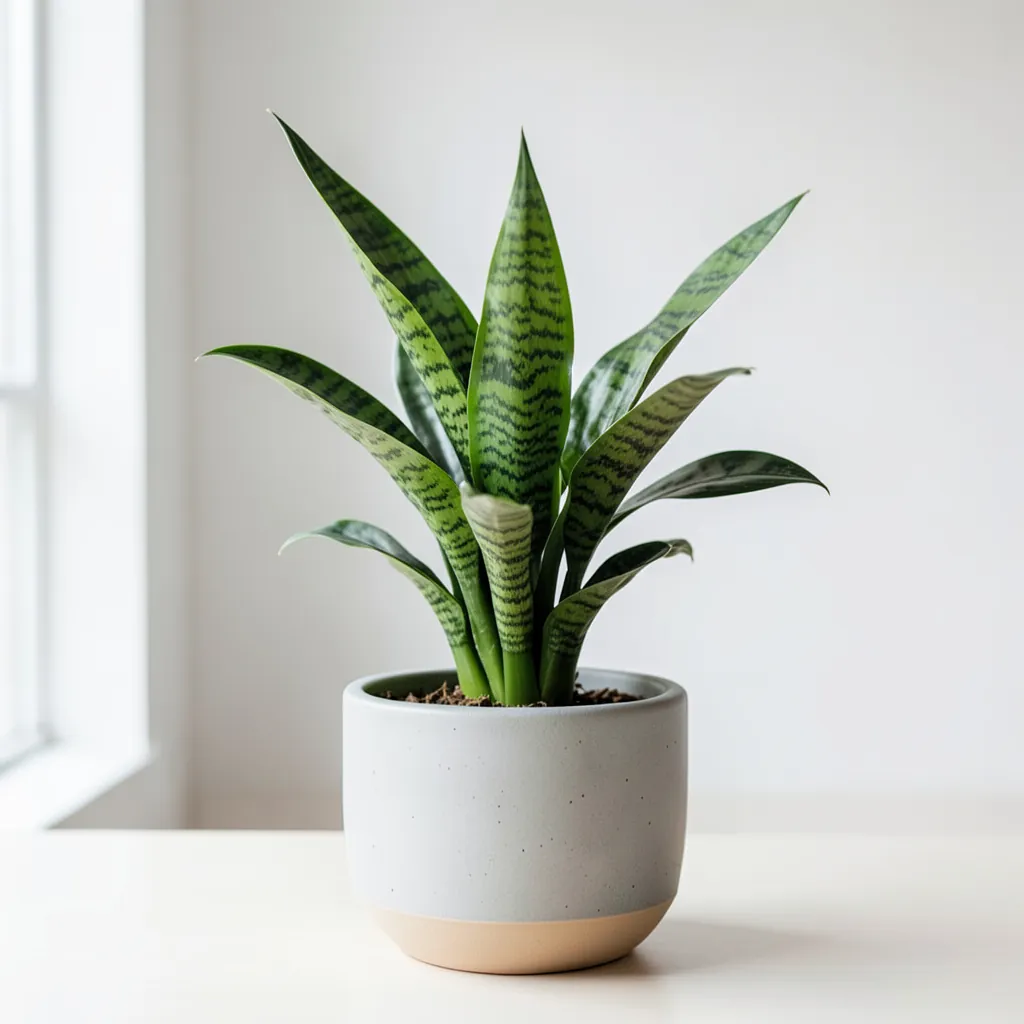
The snake plant (Sansevieria), also known as mother-in-law’s tongue or viper’s bowstring hemp, is a hardy, low-maintenance indoor plant prized for its striking, upright leaves and air-purifying qualities. Its ability to thrive in low light and tolerate neglect makes it a favorite for beginners and busy plant owners.
Light: Bright indirect
Water: When the top inch of soil is dry
Humidity: Average to high
Temperature: 65-80°F (18-27°C)
Soil: Well-draining
Difficulty: Easy
Toxicity: Toxic to cats and dogs
Mature Size: 2-3 ft
Light
What kind of light does a snake plant need?
Snake plants prefer bright, indirect light but can tolerate low light conditions. However, insufficient light may result in muted leaf colors and slower growth. Avoid prolonged direct sunlight, as it can scorch the leaves. A spot near a north-facing window or a few feet away from a south-facing window is ideal.
Signs of too little light: Leaves become pale or lose their variegation.
Signs of too much light: Leaves develop brown, crispy tips or scorch marks.
Watering
How often should I water my snake plant?
Water your snake plant only when the top inch of soil is completely dry. Overwatering is the most common cause of problems, leading to root rot. During winter, reduce watering frequency, as the plant goes into dormancy.
Signs of overwatering: Yellowing leaves, mushy stems, or a foul odor from the soil.
Signs of underwatering: Leaves may wrinkle or curl slightly, but snake plants are highly drought-tolerant.
Humidity and Temperature
What humidity and temperature are best for snake plants?
Snake plants thrive in average household humidity (40-50%) and temperatures between 65-80°F (18-27°C). Avoid cold drafts, especially in winter, and keep the plant away from heating vents.
Soil and Fertilizer
What type of soil and fertilizer should I use?
Use a well-draining soil mix, such as cactus or succulent soil, or amend regular potting soil with perlite or sand. Fertilize sparingly with a balanced, all-purpose fertilizer at half strength during the growing season (spring and summer).
Repotting
When and how do I repot a snake plant?
Repot your snake plant every 2-3 years or when it becomes pot-bound.
- Choose a pot 1-2 inches larger in diameter than the current one, with drainage holes.
- Gently remove the plant from its current pot, shaking off excess soil.
- Place the plant in the new pot and fill with well-draining soil.
- Water lightly and place in bright, indirect light.
Propagation
How do I propagate a snake plant?
Snake plants can be propagated by leaf cuttings or division.
- Leaf cuttings: Cut a leaf into 3-4 inch sections. Dip the cut end in rooting hormone and plant in perlite or well-draining soil. Keep in a warm, humid spot until roots form (about 2 months).
- Division: Separate clumps of leaves by cutting the rhizome, ensuring each section has roots and shoots. Pot immediately in fresh soil.
Note: Variegated cultivars (e.g., ‘Laurentii’) may lose their patterns when propagated by leaf cuttings.
🩺 Common Problems
| Symptom | Cause | Fix |
|---|---|---|
| Yellow leaves | Overwatering | Reduce watering, improve drainage |
| Brown tips | Low humidity or too much direct sun | Increase humidity or move to indirect light |
| Leaves curling | Underwatering | Water thoroughly |
| Mushy stems | Root rot | Repot in fresh soil, trim rotten roots |
| Not growing | Low light or lack of fertilizer | Move to brighter light or fertilize |
🐾 Pet Safety and Toxicity
Snake plants are toxic to cats and dogs if ingested. They contain saponins, which can cause nausea, vomiting, and diarrhea. Keep the plant out of reach of pets and children.
💡 Care Tips
- Avoid overwatering—snake plants are drought-tolerant and prefer dry conditions.
- Use a well-draining soil mix to prevent root rot.
- Clean the leaves occasionally to remove dust and improve photosynthesis.
- Propagate by division to maintain variegation in cultivars like ‘Laurentii.’
- Place in bright, indirect light for optimal growth and color.
❓ FAQ
Is snake plant toxic to cats?
Yes, snake plants are toxic to cats and dogs if ingested.
How often should I water my snake plant?
Water only when the top inch of soil is dry, typically every 2-4 weeks.
Why are my snake plant’s leaves turning yellow?
Yellow leaves are usually caused by overwatering. Reduce watering and ensure proper drainage.
How fast does a snake plant grow?
Snake plants grow slowly, typically adding a few inches per year.
Can snake plants grow in low light?
Yes, they tolerate low light but grow best in bright, indirect light.
Related guides
- Snake Plant (Sansevieria): The Ultimate Beginner’s Houseplant
- The Best Low-Light Indoor Plant: Snake Plant
- Best Plants for the Bedroom
- Best Soil for Houseplants: A Complete Guide for Healthy Roots
- Cast Iron Plant Care: The Ultimate Low-Light Houseplant Guide