Cast Iron Plant Care: The Ultimate Low-Light Houseplant Guide
Cast Iron Plant Care: The Ultimate Low-Light Houseplant Guide
Contents
- Quick Care Summary
- How Often Should I Water a Cast Iron Plant?
- What’s the Best Light for a Cast Iron Plant?
- When and How Should I Repot My Cast Iron Plant?
- How Do I Propagate a Cast Iron Plant?
- Common Problems and Solutions
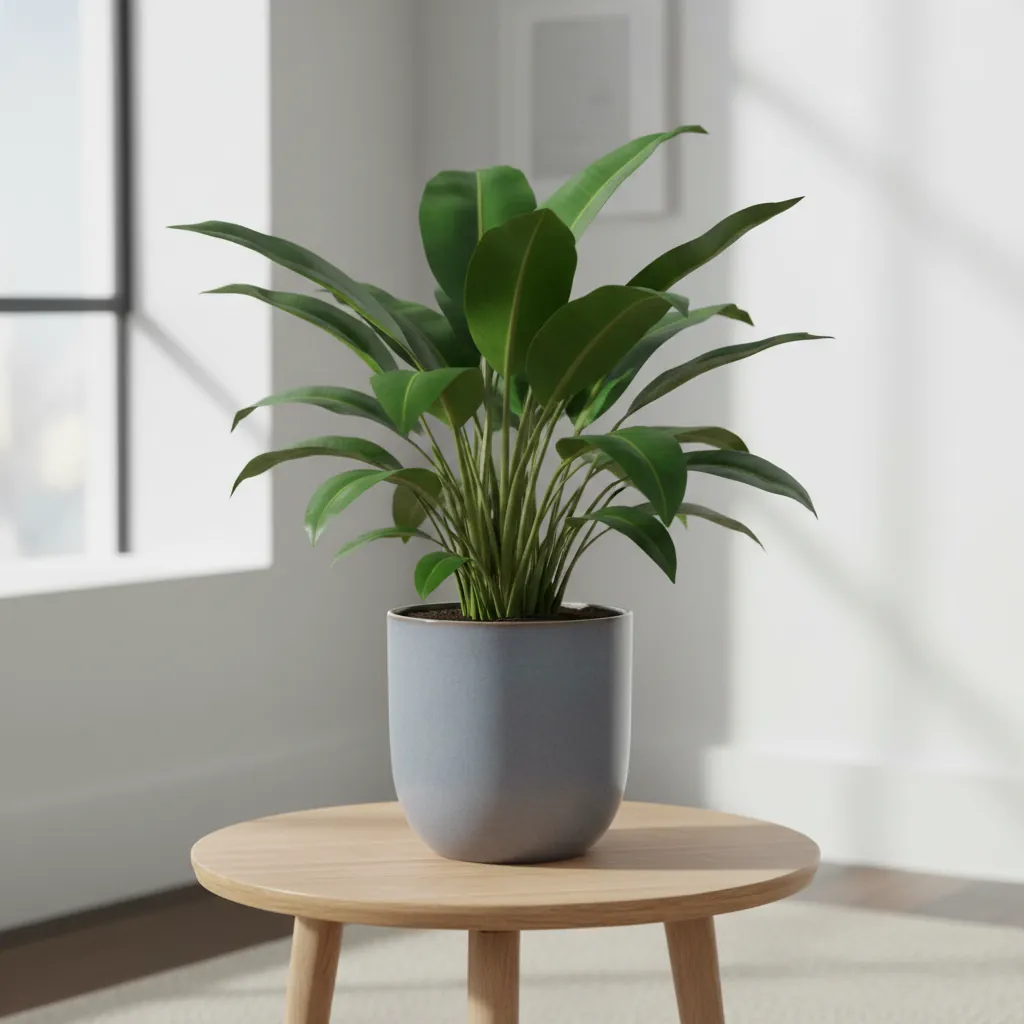
The cast iron plant (Aspidistra elatior) is a nearly indestructible evergreen perennial prized for its ability to thrive in low light, drought, and poor soil. Native to Asia, its glossy, lance-shaped leaves grow 2-3 ft tall, making it ideal as a houseplant or shade garden groundcover. It’s especially popular for beginners due to its extreme tolerance for neglect.
Quick Care Summary
- Light: Low to medium indirect light; tolerates deep shade (avoid direct sun)
- Water: Let top 2-3 inches of soil dry between waterings; drought-tolerant but prefers consistent moisture
- Humidity: Adapts to average indoor humidity (40-50%)
- Temperature: 50-85°F (hardy outdoors in USDA zones 7-11)
- Soil: Well-draining mix (clay, loam, or sandy soils outdoors; potting mix with perlite indoors)
- Toxicity: Non-toxic and pet-safe
How Often Should I Water a Cast Iron Plant?
Water when the top 2-3 inches of soil are dry, typically every 1-2 weeks indoors. Reduce watering in winter. Outdoors, water during droughts but avoid soggy soil. Signs of overwatering include yellow leaves, while brown tips may indicate underwatering.
What’s the Best Light for a Cast Iron Plant?
- Indoors: Place in north-facing windows or shaded areas away from direct sun (which bleaches leaves)
- Outdoors: Dappled or full shade; tolerates under-tree planting
- Variegated varieties need slightly brighter (but still indirect) light to maintain patterns
When and How Should I Repot My Cast Iron Plant?
Repot every 3-4 years in spring when roots outgrow the container:
- Use a well-draining potting mix (equal parts potting soil, perlite, and orchid bark).
- Choose a pot 2 inches wider than the root ball with drainage holes.
- Divide overcrowded clumps during repotting (see Propagation).
How Do I Propagate a Cast Iron Plant?
Propagate by division in spring/summer:
- Remove plant from pot and gently separate rhizomes (underground stems) with at least 2 leaves.
- Plant divisions in moist soil.
- Water sparingly until new growth appears.
Common Problems and Solutions
| Issue | Cause | Fix |
|---|---|---|
| Yellow leaves | Overwatering | Let soil dry; improve drainage |
| Brown leaf tips | Underwatering/dry air | Water more frequently; mist leaves |
| Bleached leaves | Direct sun | Move to shadier spot |
| Scale/mealybugs | Pests | Wipe with soapy water; use neem oil |
| No new growth | Needs fertilizer | Apply balanced houseplant fertilizer every 6-8 weeks in growing season |
FAQ
Q: Is the cast iron plant pet-safe?
A: Yes, it’s non-toxic to cats and dogs (ASPCA-approved).
Q: Why isn’t my variegated cast iron plant keeping its stripes?
A: Provide brighter indirect light (but never direct sun) to maintain variegation.
Q: Can I grow cast iron plants outdoors year-round?
A: Yes in zones 7-11. In colder zones, bring indoors when temps drop below 50°F.
Q: Should I prune my cast iron plant?
A: Only remove dead/damaged leaves at the base. Cut back entire clumps every 2-3 years to refresh.
Q: Why are there purple flowers at the base of my plant?
A: Rare blooms occur in summer but are often hidden by foliage. Requires slightly higher light to flower.
Related guides
- Snake Plant (Sansevieria): The Ultimate Beginner’s Houseplant
- The Best Low-Light Indoor Plant: Snake Plant
- Best Plants for the Bedroom
- Best Soil for Houseplants: A Complete Guide for Healthy Roots
- How Often to Fertilize Houseplants