Snake Plant Care Guide: The Ultimate Beginner-Friendly Houseplant
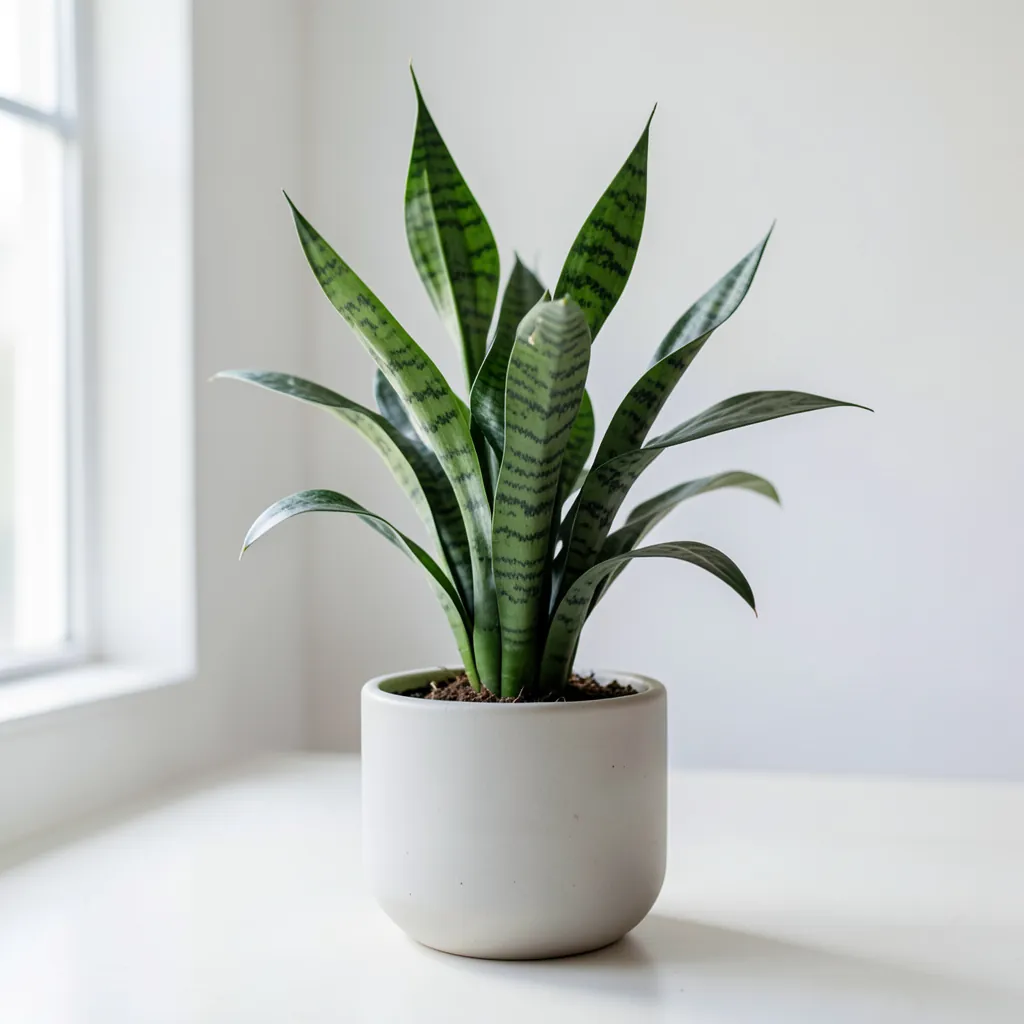
Snake Plant Care Guide: The Ultimate Beginner-Friendly Houseplant
Contents
- Light
- Watering
- Humidity and Temperature
- Soil and Fertilizer
- Repotting
- Propagation
- 🩺 Common Problems
- 🐾 Pet Safety and Toxicity
- 💡 Care Tips
- ❓ FAQ
🪴 Snake plants (Sansevieria, also known as mother-in-law’s tongue) are hardy, low-maintenance indoor plants prized for their striking upright leaves and ability to thrive in various conditions. Ideal for beginners, they tolerate neglect and purify the air, making them a favorite for homes and offices.
Light: Bright indirect to low light
Water: When the top inch of soil is dry
Humidity: Low to average
Temperature: 65-80°F (18-27°C)
Soil: Well-draining
Difficulty: Easy
Toxicity: Toxic to cats and dogs
Mature Size: 2-3 ft
Light
Q: How much light does a snake plant need?
Snake plants thrive in bright indirect light but can tolerate low light conditions. Avoid direct afternoon sun, which can scorch the leaves. In low light, growth may slow, and leaf variegation may fade. Signs of too little light include leggy growth, while too much light can cause leaf tips to turn brown.
Watering
Q: How often should I water my snake plant?
Water your snake plant only when the top inch of soil is dry. Overwatering is the most common cause of root rot. In winter, water sparingly as the plant enters dormancy. Signs of overwatering include yellow, mushy leaves, while underwatering may cause curling or drooping.
Humidity and Temperature
Snake plants prefer low to average humidity (30-50%) and temperatures between 65-80°F (18-27°C). They dislike cold drafts and temperatures below 50°F (10°C). Avoid placing them in steamy bathrooms or near radiators.
Soil and Fertilizer
Use well-draining soil, such as cactus or succulent mix, to prevent waterlogging. Fertilize sparingly with a balanced liquid fertilizer diluted to half strength during the growing season (spring and summer). Over-fertilizing can weaken the plant.
Repotting
Q: When and how should I repot a snake plant?
Repot every 2-3 years or when roots outgrow the pot. Follow these steps:
- Choose a pot slightly larger than the current one with drainage holes.
- Gently remove the plant and shake off excess soil.
- Place it in the new pot and fill with well-draining soil.
- Water lightly and allow the soil to settle.
Propagation
Q: How do I propagate a snake plant?
Snake plants are easy to propagate via leaf cuttings or division:
- Leaf cuttings: Cut a healthy leaf into 3-4 inch sections. Let the cut ends callus for 1-2 days, then plant them in moist soil.
- Division: Separate offsets or pups from the mother plant, ensuring each has roots. Plant them in individual pots.
🩺 Common Problems
| Symptom | Cause | Fix |
|---|---|---|
| Yellow leaves | Overwatering | Reduce watering; improve drainage |
| Brown/crispy tips | Too much direct sun | Move to bright indirect light |
| Leaves curling | Underwatering | Water thoroughly; check soil |
| Mushy roots/rot | Overwatering | Repot in fresh soil; trim roots |
| Leaves drooping | Low light or cold drafts | Move to a warmer, brighter spot |
🐾 Pet Safety and Toxicity
Snake plants are toxic to cats and dogs if ingested, causing nausea, vomiting, and diarrhea. Keep them out of reach of pets and children.
💡 Care Tips
- Water sparingly: Snake plants thrive on neglect—less water is better than more.
- Rotate the pot: Turn the plant occasionally to encourage even growth.
- Clean the leaves: Wipe leaves with a damp cloth to remove dust and improve photosynthesis.
- Avoid misting: Snake plants dislike high humidity.
- Don’t overpot: Use snug pots to prevent water retention.
❓ FAQ
Q: Are snake plants toxic to pets?
Yes, snake plants are toxic to cats and dogs if ingested.
Q: How often should I water a snake plant?
Water only when the top inch of soil is dry, typically every 2-6 weeks depending on conditions.
Q: Why are my snake plant’s leaves turning yellow?
Yellow leaves are usually a sign of overwatering. Let the soil dry out completely before watering again.
Q: How much light does a snake plant need?
Snake plants prefer bright indirect light but can tolerate low light.
Q: How fast does a snake plant grow?
Snake plants grow slowly, typically adding 239 inches per year.
Q: Can I propagate a snake plant in water?
Yes, but soil propagation is more reliable. Water propagation may lead to rot.
Related guides
- Snake Plant (Sansevieria): The Ultimate Beginner’s Houseplant
- The Best Low-Light Indoor Plant: Snake Plant
- Best Plants for the Bedroom
- Best Soil for Houseplants: A Complete Guide for Healthy Roots
- Cast Iron Plant Care: The Ultimate Low-Light Houseplant Guide