Is Snake Plant Easy to Grow? A Complete Care Guide for Dracaena Trifasciata
Is Snake Plant Easy to Grow? A Complete Care Guide for Dracaena Trifasciata
Contents
- Light
- Watering
- Humidity and Temperature
- Soil and Fertilizer
- Repotting
- Propagation
- 🩺 Common Problems
- 🐾 Pet Safety and Toxicity
- 💡 Care Tips
- ❓ FAQ
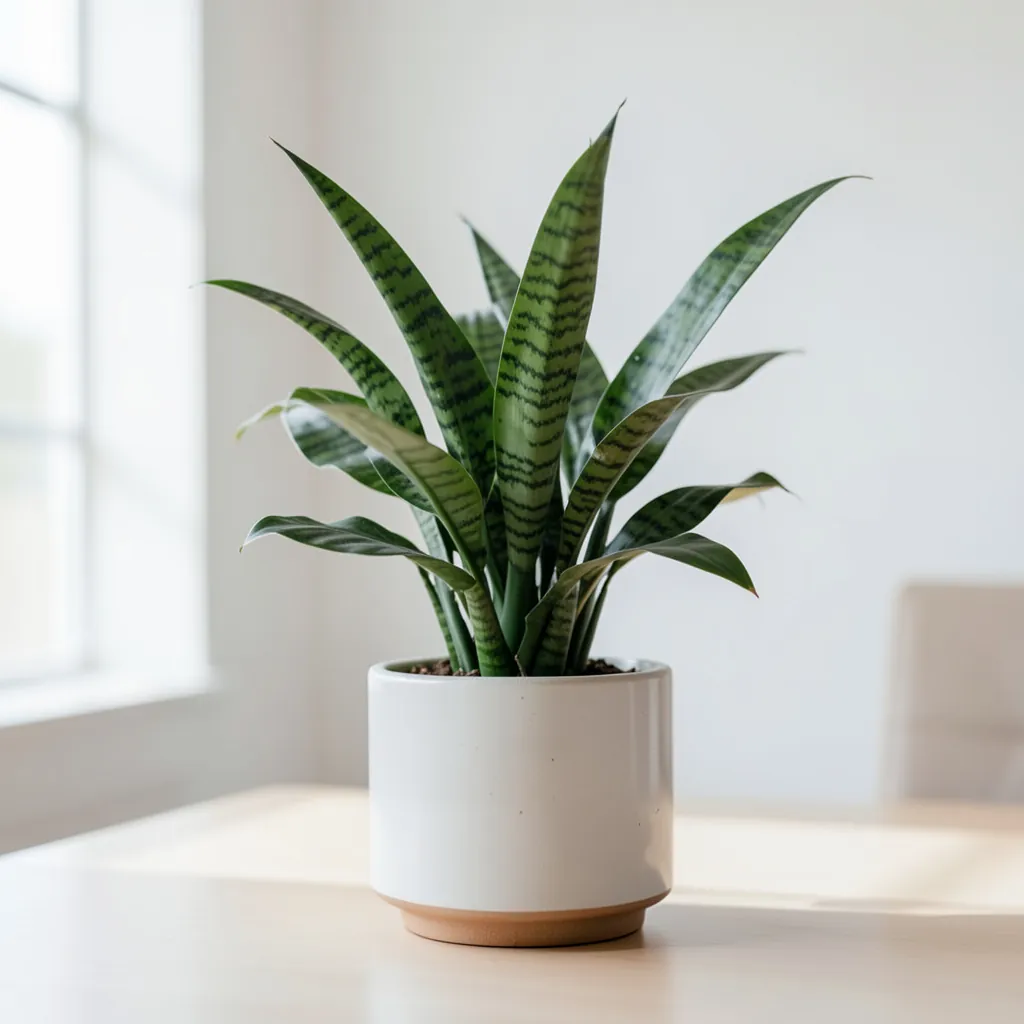
🪴 Snake plants (Dracaena trifasciata, formerly Sansevieria) are among the easiest houseplants to grow, prized for their dramatic upright leaves and near-indestructible nature. They tolerate low light, irregular watering, and dry air, making them ideal for beginners.
Light: Bright indirect to low light
Water: When soil is completely dry
Humidity: Low to average
Temperature: 60-80°F (15-27°C)
Soil: Well-draining cactus/succulent mix
Difficulty: Very easy
Toxicity: Toxic to cats and dogs
Mature Size: 1-4 ft tall (depending on variety)
Light
Snake plants thrive in bright indirect light but tolerate low-light conditions (even north-facing windows). In shade, growth slows and variegation may fade. Direct sun can scorch leaves (look for bleached patches). Rotate the pot monthly to prevent leaning.
Watering
Water only when soil is fully dry (typically every 2-8 weeks). Push your finger 1-2 inches into the soil—if dry, water thoroughly until it drains from the pot’s base. Reduce frequency in winter (monthly or less). Overwatering causes root rot (symptoms: yellow leaves, mushy base).
Humidity and Temperature
Maintain average household humidity (30-50%). Avoid misting or steamy bathrooms. Ideal temp: 60-80°F (15-27°C). Keep away from cold drafts (<50°F/10°C) and heating vents.
Soil and Fertilizer
Use a fast-draining mix (e.g., 2:1 cactus soil:perlite). Fertilize sparingly—monthly in spring/summer with diluted (50%) succulent fertilizer. Avoid fertilizing in fall/winter.
Repotting
Repot every 2-3 years when roots circle the pot or crack it. Steps:
- Choose a pot 1-2 inches wider with drainage holes.
- Remove plant, trim dead roots, and place in new pot with fresh soil.
- Firm soil and wait a week before watering.
Propagation
Leaf cuttings (soil method):
- Cut a healthy leaf into 3-4” sections.
- Let cuts dry 1-2 days.
- Plant upright in moist soil.
- Roots form in 4-8 weeks.
Division (best for variegated types):
- Remove plant and separate root clumps.
- Replant divisions in small pots.
🩺 Common Problems
| Symptom | Cause | Fix |
|---|---|---|
| Yellow leaves | Overwatering | Repot in dry soil; reduce watering |
| Brown tips | Dry air/chemicals in water | Use distilled water; trim tips |
| Drooping | Root rot or extreme thirst | Check roots; water if dry |
| No growth | Low light/cold | Move to brighter spot |
🐾 Pet Safety and Toxicity
Snake plants contain saponins, toxic to cats and dogs if ingested (vomiting, diarrhea). Keep out of reach. Contact a vet if consumed.
💡 Care Tips
- Err on underwatering—they thrive on neglect.
- Wipe leaves with a damp cloth to remove dust.
- Avoid temperature extremes (e.g., near AC units).
- Tall varieties may need support in low light.
❓ FAQ
How often to water snake plant?
Only when soil is fully dry (test with finger)—typically every 3-6 weeks.
Why are my snake plant’s leaves turning yellow?
Usually from overwatering. Let soil dry completely and repot if roots are mushy.
Can snake plants grow in dark rooms?
Yes, but growth slows. Low-light varieties like ‘Moonshine’ adapt best.
How fast do snake plants grow?
Slow: 2-4 new leaves/year in ideal conditions.
Are snake plants good for air purification?
Minimal impact—they remove some toxins but not enough to replace air filters.
Related guides
- Snake Plant (Sansevieria): The Ultimate Beginner’s Houseplant
- The Best Low-Light Indoor Plant: Snake Plant
- Best Plants for the Bedroom
- Best Soil for Houseplants: A Complete Guide for Healthy Roots
- Cast Iron Plant Care: The Ultimate Low-Light Houseplant Guide