Snake Plant Care Guide
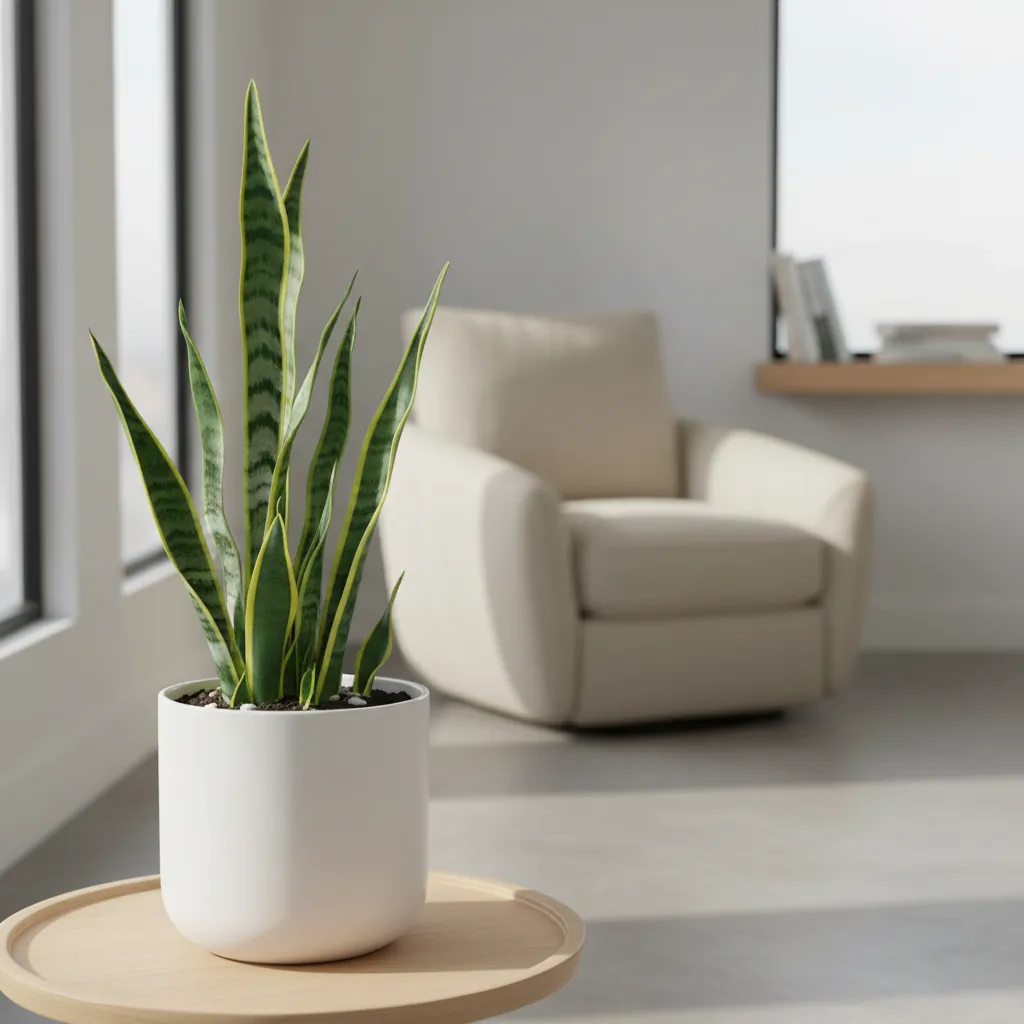
Snake Plant Care Guide
Contents
- Quick Care Summary
- How Often Should I Water My Snake Plant?
- What’s the Best Light for a Snake Plant?
- What Soil Should I Use for My Snake Plant?
- When Should I Repot My Snake Plant?
- How Do I Propagate My Snake Plant?
- What Are Common Snake Plant Problems?
- Frequently Asked Questions
The snake plant (Sansevieria) is a popular houseplant known for its striking, upright leaves and low-maintenance nature. Originating from Africa, it thrives on neglect, making it perfect for beginners or busy plant owners. It’s also a natural air purifier, removing toxins and releasing oxygen at night.
Quick Care Summary
- Light: Low to bright indirect light; tolerates low light.
- Water: Water every 2-3 weeks; let soil dry completely between waterings.
- Humidity: Low humidity preferred; thrives in dry conditions.
- Temperature: 60-85°F (15-29°C); avoid temperatures below 50°F (10°C).
- Soil: Well-draining, sandy soil; cactus or succulent mix works well.
- Toxicity: Mildly toxic to pets if ingested.
How Often Should I Water My Snake Plant?
Snake plants are drought-tolerant and prefer being underwatered to overwatered. Water every 2-3 weeks or when the top 2 inches of soil are completely dry. Reduce watering in winter to once a month. Overwatering can lead to root rot, so ensure the pot has drainage holes and avoid letting the plant sit in standing water.
What’s the Best Light for a Snake Plant?
Snake plants are versatile and can tolerate low light, but they thrive in bright, indirect light. Avoid direct sunlight for extended periods, as it can scorch the leaves. If placed in low light, growth may slow, but the plant will survive. Rotate the plant occasionally for even growth.
What Soil Should I Use for My Snake Plant?
Snake plants require well-draining soil to prevent root rot. A cactus or succulent mix is ideal. You can also create your own mix by combining 75% cactus soil with 25% standard potting soil or adding perlite for extra drainage.
When Should I Repot My Snake Plant?
Repot your snake plant every 2-3 years or when it becomes root-bound. Choose a pot 1-2 inches larger than the current one, and ensure it has drainage holes. Spring is the best time for repotting. Use fresh, well-draining soil to encourage healthy growth.
How Do I Propagate My Snake Plant?
Snake plants are easy to propagate. You can:
- Leaf cuttings: Cut a healthy leaf into 2-3 inch sections and place them in water or soil.
- Division: Separate the plant at the roots during repotting and replant the divisions.
New growth may take several weeks to appear, so be patient.
What Are Common Snake Plant Problems?
- Yellow leaves: Often caused by overwatering. Let the soil dry completely before watering again.
- Root rot: A result of waterlogged soil. Repot the plant in fresh, well-draining soil and trim away damaged roots.
- Pests: Snake plants are generally pest-resistant but can occasionally attract spider mites or mealybugs. Wipe leaves with a damp cloth or use insecticidal soap if needed.
Frequently Asked Questions
Can snake plants survive in low light?
Yes, snake plants tolerate low light but grow best in bright, indirect light.
How often should I fertilize my snake plant?
Fertilize once a month during spring and summer with a balanced liquid fertilizer diluted to half strength. Avoid fertilizing in fall and winter.
Are snake plants toxic to pets?
Yes, snake plants are mildly toxic to cats and dogs if ingested. Keep them out of reach of pets.
Why are my snake plant’s leaves drooping?
Drooping leaves can be a sign of overwatering or insufficient light. Check the soil moisture and adjust watering and lighting accordingly.
Can snake plants bloom?
Yes, snake plants can bloom under ideal conditions, producing small, fragrant flowers.
Related guides
- Fiddle Leaf Fig Care Guide
- Monstera Care Guide
- Pothos Care: A Complete Guide to Growing Devil’s Ivy Indoors