Rubber Plant Care Guide
Rubber Plant Care Guide
Contents
- Quick Care Summary
- How Often Should I Water My Rubber Plant?
- What Is the Best Light for a Rubber Plant?
- How Do I Repot My Rubber Plant?
- Can I Propagate a Rubber Plant?
- Why Are My Rubber Plant’s Leaves Turning Yellow or Dropping?
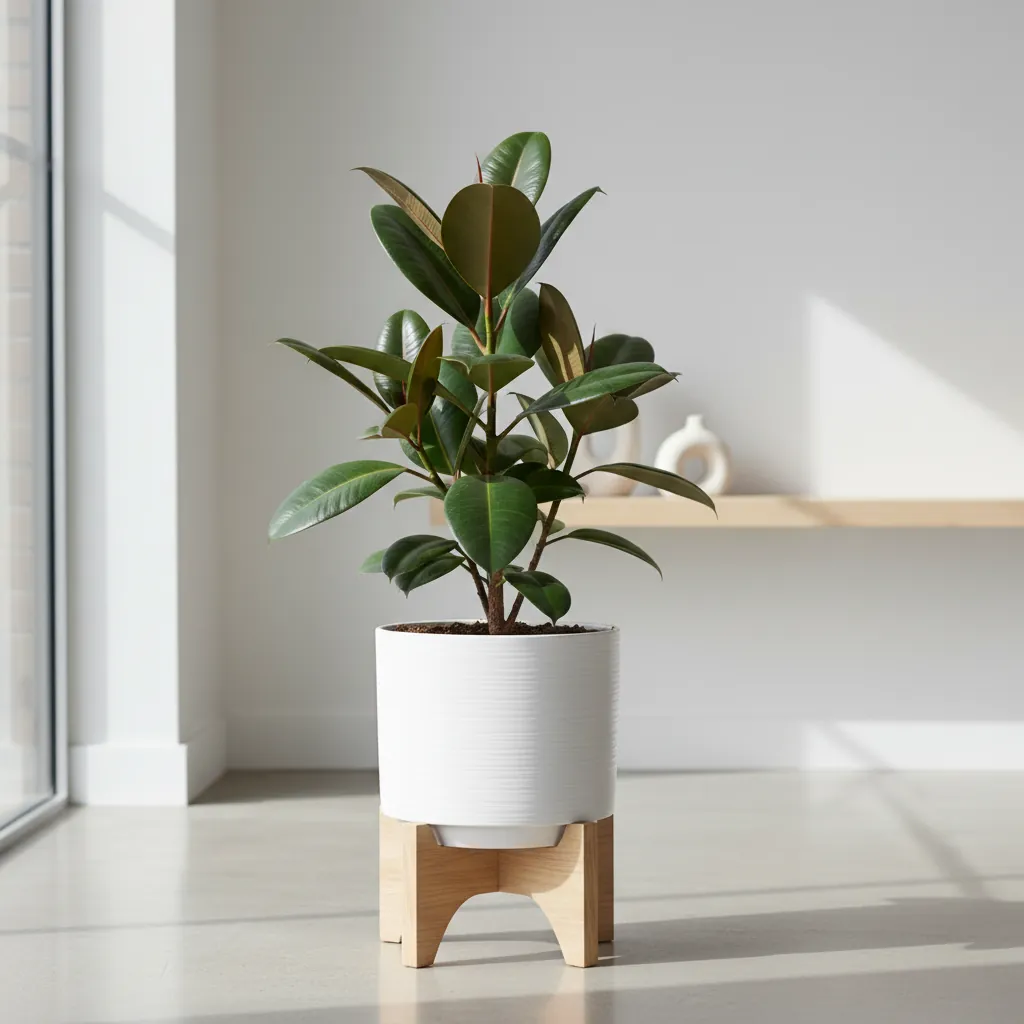
The rubber plant (Ficus elastica) is a popular indoor plant known for its glossy, deep-green leaves and air-purifying qualities. Native to Southeast Asia, it’s a low-maintenance plant that thrives in bright, indirect light and moderate humidity, making it an excellent choice for home or office decor. Proper care ensures it grows lush and healthy.
Quick Care Summary
- Light: Bright, indirect light. Avoid direct sunlight, which can scorch leaves.
- Water: Water when the top 2 inches of soil are dry. Reduce frequency in winter.
- Humidity: Prefers moderate to high humidity but tolerates normal household levels.
- Temperature: Ideal range is 60°F–85°F (15°C–29°C). Avoid drafts.
- Soil: Well-draining, all-purpose potting mix. Add perlite or orchid bark for aeration.
- Toxicity: Toxic to pets and humans if ingested due to its latex sap.
How Often Should I Water My Rubber Plant?
Rubber plants prefer slightly moist soil but are prone to root rot if overwatered. Water thoroughly when the top 2 inches of soil feel dry, ensuring excess water drains away. In summer, water every 7–10 days, and in winter, reduce to every 14–21 days. Yellow leaves or leaf drop often indicate overwatering.
What Is the Best Light for a Rubber Plant?
Rubber plants thrive in bright, indirect light. Place them near an east or west-facing window where they can receive filtered sunlight. Variegated varieties need more light to maintain their colors. Avoid direct sunlight, especially in summer, as it can scorch the leaves. In low light, growth slows, and leaves may become smaller or sparse.
How Do I Repot My Rubber Plant?
Repot your rubber plant every 2–4 years or when roots outgrow the pot. Choose a pot 2–3 inches larger in diameter with drainage holes. Use a well-draining potting mix enriched with perlite or coco coir for aeration. Repot in spring or summer when the plant is actively growing. After repotting, water thoroughly and place in indirect light.
Can I Propagate a Rubber Plant?
Yes, rubber plants can be propagated through stem cuttings or air layering:
- Stem Cuttings: Cut a healthy stem with at least one leaf and node. Dip the cut end in rooting hormone and plant it in moist soil or water. Roots will form in 4–6 weeks.
- Air Layering: Make a shallow cut on a healthy stem, wrap it with moist sphagnum moss, and cover with plastic. Once roots develop, cut and plant the stem in soil.
Propagation is best done in spring or summer for faster success.
Why Are My Rubber Plant’s Leaves Turning Yellow or Dropping?
Common issues include:
- Overwatering: Yellow leaves or root rot indicate too much water. Let soil dry out between waterings.
- Low Light: Dropping leaves or leggy growth suggest insufficient light. Move to a brighter spot.
- Cold Drafts: Leaf drop may occur if exposed to cold air or sudden temperature changes.
- Pests: Check for spider mites or mealybugs. Wipe leaves with soapy water or use neem oil.
FAQ
Is a rubber plant toxic to pets?
Yes, rubber plants are toxic to cats and dogs if ingested due to their latex sap. Keep them out of reach.
How fast does a rubber plant grow?
With proper care, rubber plants can grow 1–2 feet per year indoors, reaching heights of 6–10 feet.
Why are my rubber plant’s new leaves smaller than older ones?
Inconsistent light, watering, or low humidity can cause smaller leaves. Ensure optimal care conditions.
Can I prune my rubber plant?
Yes, pruning encourages bushier growth. Cut back leggy stems in spring or summer, just above a leaf node.
How do I clean rubber plant leaves?
Wipe leaves with a damp cloth to remove dust and improve photosynthesis. Mist occasionally for humidity.
Related guides
- How to Care for Aloe Vera: A Complete Guide to Thriving Plants
- Chinese Evergreen Care Guide
- Fiddle Leaf Fig Care Guide
- Jade Plant Care Guide
- Monstera Care Guide