flaming katy plant care
Contents
- Light
- Watering
- Humidity and Temperature
- Soil and Fertilizer
- Repotting
- Propagation
- 🩺 Common Problems
- 🐾 Pet Safety and Toxicity
- 💡 Care Tips
- ❓ FAQ
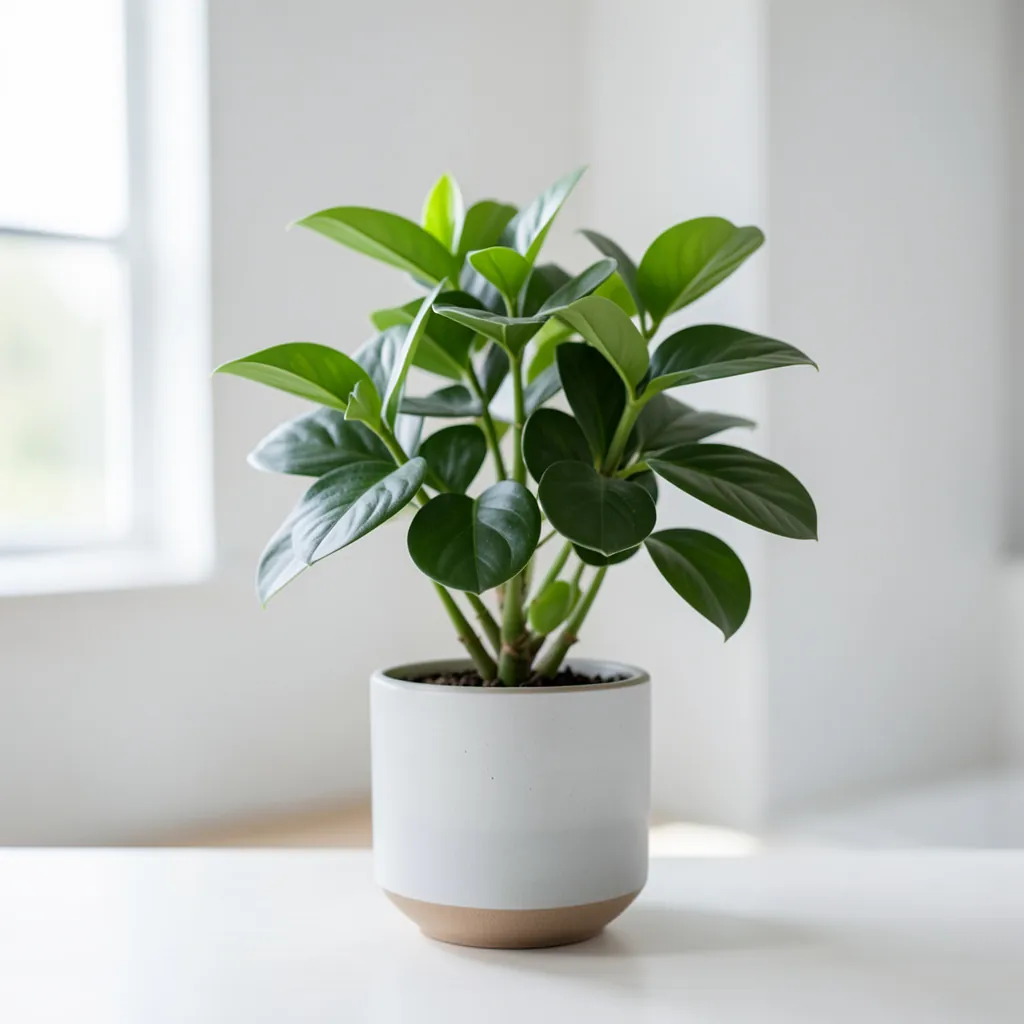
🪴 The flaming katy (Kalanchoe blossfeldiana) is a popular flowering succulent houseplant known for its vibrant, long-lasting blooms and easy-care nature. Its compact size and drought tolerance make it ideal for windowsills and tabletops.
Light: Bright indirect with some direct sun
Water: When the top inch of soil is dry
Humidity: Low to moderate
Temperature: 60-85°F (16-29°C)
Soil: Well-draining gritty mix
Difficulty: Easy
Toxicity: Toxic to cats and dogs
Mature Size: 6-18 inches (15-45 cm)
Light
How much light does a flaming katy need?
Provide bright indirect light with 2-4 hours of gentle direct sun (morning/evening). East or west-facing windows are ideal. Signs of too little light include leggy growth and fewer flowers. Too much harsh sun causes leaf scorch (pale tan patches) - acclimate gradually over 7-10 days.
Watering
How often should I water my flaming katy?
Water thoroughly when the top inch of soil is dry, then let the soil dry out completely before watering again. Reduce frequency in winter (every 3-4 weeks) vs. summer (every 1-2 weeks). Overwatering signs: yellow, mushy leaves or root rot. Underwatering: wrinkled leaves.
Humidity and Temperature
Keep at 60-85°F (16-29°C) and avoid temperatures below 50°F (10°C). Average household humidity (30-50%) is sufficient. Avoid misting, which can promote fungal diseases. Protect from cold drafts and sudden temperature changes.
Soil and Fertilizer
Use a fast-draining mix: 50% cactus/succulent soil + 50% perlite or coarse sand. Feed with balanced liquid fertilizer (diluted to half strength) 2-3 times during the growing season (spring-summer). Avoid fertilizing in winter.
Repotting
When and how should I repot?
- Repot every 2-3 years in spring when roots outgrow the pot
- Choose a pot 1-2 inches larger with drainage holes
- Gently remove plant, trim any black/mushy roots
- Plant in fresh well-draining mix at the same depth
- Wait 1 week before watering to prevent root rot
Propagation
How to propagate flaming katy:
- Take 3-4 inch stem cuttings in spring/summer
- Let cuttings dry for 1-2 days until calloused
- Plant in moist succulent soil mix
- Keep in bright indirect light, water sparingly
- Roots develop in 3-4 weeks
🩺 Common Problems
| Symptom | Likely Cause | Solution |
|---|---|---|
| Yellow leaves | Overwatering | Let soil dry completely |
| Brown crispy tips | Underwatering/low hum. | Water deeply, don’t mist |
| Drooping | Root rot/cold damage | Check roots, repot if needed |
| No flowers | Insufficient darkness | Provide 12-14 hour nights |
| White cottony patches | Mealybugs | Wipe with alcohol swab |
🐾 Pet Safety and Toxicity
Flaming katy is toxic to both cats and dogs if ingested, causing vomiting, diarrhea, and heart arrhythmias. Keep plants out of reach or choose pet-safe alternatives if you have curious pets. The ASPCA lists it as toxic due to cardiac glycosides.
💡 Care Tips
- Deadhead spent flowers to encourage new blooms
- Rotate weekly for even growth
- Avoid waterlogged soil - the #1 killer
- Acclimate gradually to sunnier spots
- Force blooms with 6 weeks of long nights (14+ hours darkness)
❓ FAQ
Is flaming katy toxic to pets?
Yes, toxic to cats and dogs if eaten due to cardiac glycosides.
How often to water in winter?
Every 3-4 weeks when soil is completely dry.
Why are leaves turning yellow?
Usually overwatering - let soil dry fully between waterings.
How much light for best blooms?
Bright indirect light with 12-14 hours of darkness to trigger flowering.
How fast does it grow?
Moderate growth (3-6 inches annually), reaching 12-18 inches at maturity.
Why won’t mine rebloom?
Needs extended darkness (14+ hours nightly for 6 weeks) to form flower buds.
Related guides
- Christmas Cactus Care: How to Keep Your Holiday Cactus Thriving
- How to Care for Hoya Plants: A Complete Guide
- Hoya Care Guide: How to Keep Your Wax Plant Thriving
- Hoya Wax Plant Care Guide
- Kalanchoe Care Guide: How to Grow and Care for Flaming Katy