Oxalis Care Guide: How to Keep Your Shamrock Plant Thriving
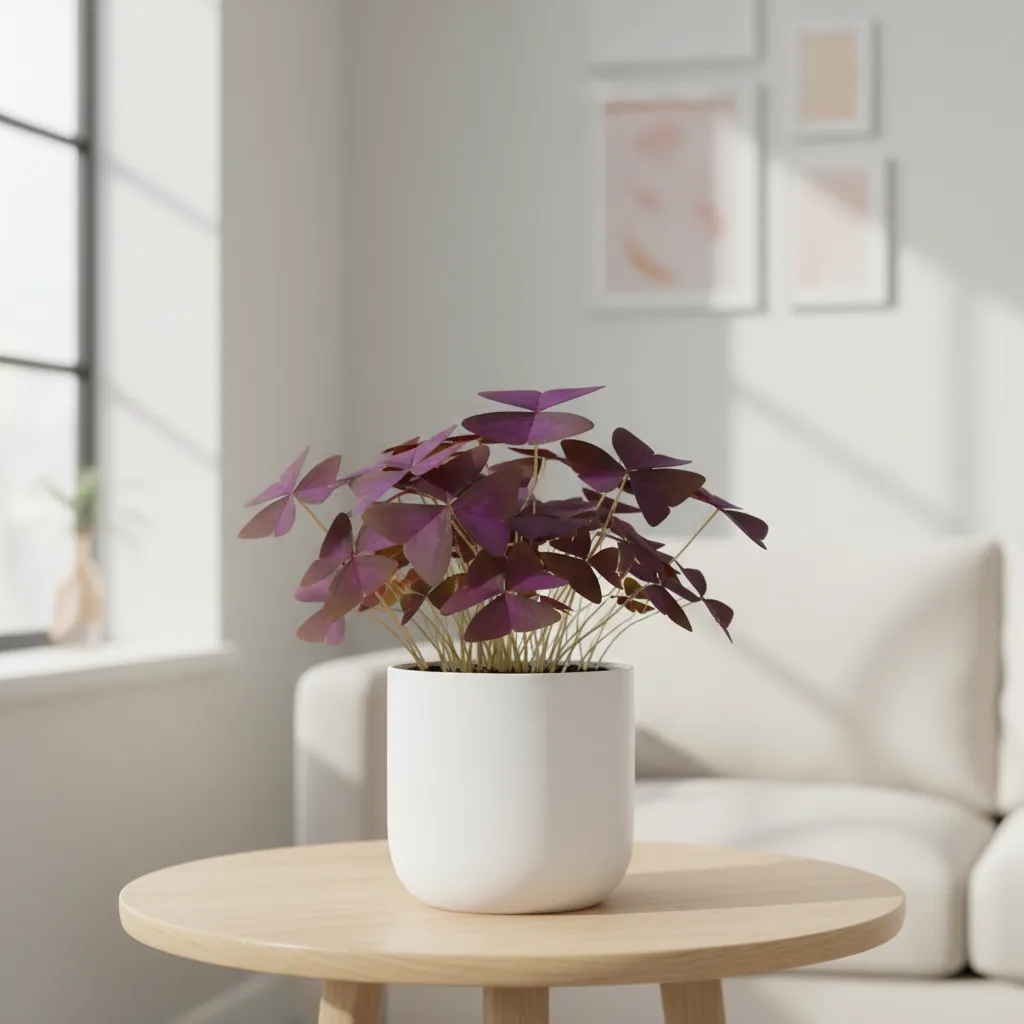
Oxalis Care Guide: How to Keep Your Shamrock Plant Thriving
Contents
- Quick Care Summary
- How Often Should I Water My Oxalis?
- What Light Conditions Does Oxalis Need?
- What Soil Is Best for Oxalis? When Should I Repot?
- How Do I Propagate Oxalis?
- What Are Common Problems with Oxalis?
- FAQs
Oxalis, commonly known as shamrock or wood sorrel, is a popular houseplant admired for its clover-like leaves and delicate, colorful flowers. Native to South America, Oxalis varieties like Oxalis triangularis (false shamrock) are particularly cherished for their vibrant foliage and low-maintenance care, making them a favorite among indoor gardeners.
Quick Care Summary
- Light: Bright, indirect light or partial shade. Avoid direct sun.
- Water: Keep soil lightly moist; allow the top inch to dry between waterings.
- Humidity: Average indoor humidity is sufficient.
- Temperature: Ideal range: 60–75°F (15–25°C).
- Soil: Well-draining, humus-rich soil (loam, sand, or chalk mix).
- Toxicity: Toxic to pets due to oxalic acid.
How Often Should I Water My Oxalis?
Water your Oxalis when the top inch of soil feels dry. Overwatering can lead to root rot, so ensure the pot has drainage holes and avoid letting the plant sit in water. During dormancy (summer or winter), reduce watering significantly and let the soil dry out completely.
What Light Conditions Does Oxalis Need?
Oxalis thrives in bright, indirect light, such as near a south- or west-facing window. Direct sunlight can scorch the leaves, while too little light may reduce flowering. Partial shade is also acceptable, especially for varieties like Oxalis laciniata.
What Soil Is Best for Oxalis? When Should I Repot?
Oxalis prefers well-draining, humus-rich soil. A mix of loam, sand, and compost works well. Repot every 2–3 years or when the plant outgrows its container. During repotting, gently separate the rhizomes for propagation.
How Do I Propagate Oxalis?
Oxalis is easily propagated by dividing the bulbils or rhizomes during dormancy. Plant the separated bulbs about an inch deep in fresh soil, spacing them 4–6 inches apart. You can also propagate by seed, though this method takes longer.
What Are Common Problems with Oxalis?
- Yellow Leaves: Often caused by overwatering or poor drainage.
- Pests: Watch for aphids, whiteflies, and spider mites. Treat with neem oil or insecticidal soap.
- Diseases: Susceptible to rust, leaf spot, and powdery mildew. Ensure good air circulation and avoid wetting leaves.
- Dormancy: Normal for Oxalis to die back seasonally. Trim dead foliage and reduce watering until new growth appears.
FAQs
Is Oxalis safe for pets?
No, Oxalis contains oxalic acid, which is toxic to cats and dogs if ingested.
Why are my Oxalis leaves folding?
Oxalis leaves fold in response to light changes, closing at night or on cloudy days. This is normal behavior.
How do I revive a dormant Oxalis?
Store the plant in a cool, dark place for 1–3 months, then return it to bright light and resume watering.
Can Oxalis grow outdoors?
Yes, Oxalis can grow outdoors in well-drained soil and partial shade. Mulch to retain moisture and protect rhizomes during dormancy.
Related guides
- Christmas Cactus Care: How to Keep Your Holiday Cactus Thriving
- flaming katy plant care
- How to Care for Hoya Plants: A Complete Guide
- Hoya Care Guide: How to Keep Your Wax Plant Thriving
- Hoya Wax Plant Care Guide