peace lily maintenance
Contents
- Light
- Watering
- Humidity and Temperature
- Soil and Fertilizer
- Repotting
- Propagation
- 🩺 Common Problems
- 🐾 Pet Safety and Toxicity
- 💡 Care Tips
- ❓ FAQ
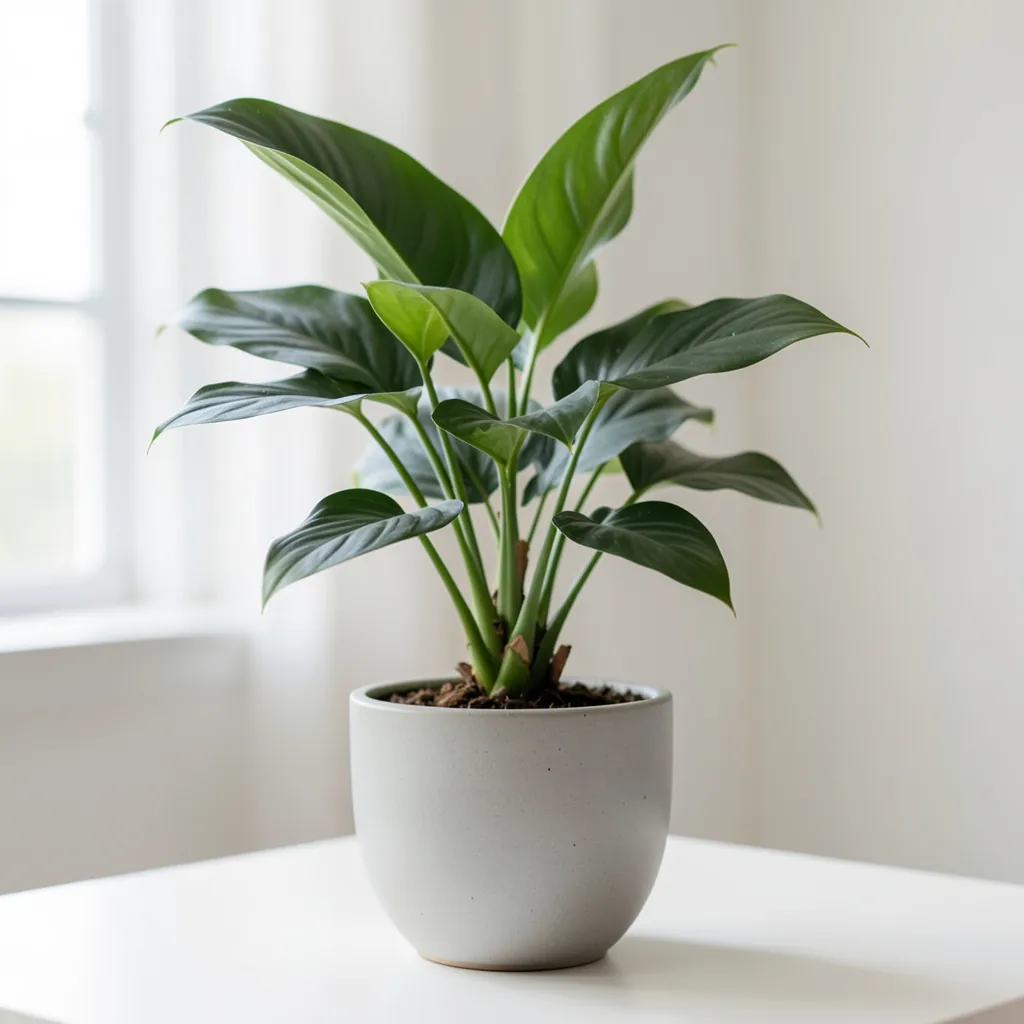
🪴 The peace lily (Spathiphyllum) is a popular indoor plant known for its glossy green leaves and elegant white flowers. It’s favored for its air-purifying qualities and ease of care, making it a great choice for both beginners and experienced plant enthusiasts.
Light: Bright indirect
Water: When the top inch of soil is dry
Humidity: Average to high
Temperature: 65-80°F (18-27°C)
Soil: Well-draining
Difficulty: Easy
Toxicity: Toxic to cats and dogs
Mature Size: 2-3 ft
Light
How much light does a peace lily need?
Peace lilies thrive in bright, indirect light but can tolerate low light conditions. Avoid direct sunlight, as it can scorch the leaves. Signs of too much light include brown or crispy leaf edges, while too little light may result in fewer flowers and slower growth.
Watering
How often should I water a peace lily?
Water when the top inch of soil feels dry. Peace lilies prefer consistently moist soil but are sensitive to overwatering, which can cause root rot. In winter, reduce watering frequency as the plant’s growth slows. Signs of underwatering include drooping leaves, while yellow leaves may indicate overwatering.
Humidity and Temperature
What humidity and temperature are ideal for peace lilies?
Peace lilies prefer humidity levels of 50% or higher and thrive in temperatures between 65-80°F (18-27°C). To increase humidity, mist the leaves regularly or place the plant on a pebble tray with water.
Soil and Fertilizer
What type of soil and fertilizer do peace lilies need?
Use a well-draining, nutrient-rich potting mix with components like peat moss, perlite, and bark. Fertilize monthly during the growing season (spring and summer) with a balanced liquid fertilizer diluted to half-strength. Avoid fertilizing in winter.
Repotting
When and how should I repot a peace lily?
Repot every 2-3 years or when roots outgrow the pot.
- Choose a pot one size larger with drainage holes.
- Gently remove the plant from its current pot.
- Loosen the roots and place it in the new pot with fresh soil.
- Water thoroughly and allow excess water to drain.
Propagation
How do I propagate a peace lily?
Propagate by division during repotting:
- Remove the plant from its pot and gently separate the root clumps.
- Ensure each division has healthy roots and leaves.
- Plant each division in fresh soil and water well.
🩺 Common Problems
| Symptom | Cause | Fix |
|---|---|---|
| Yellow leaves | Overwatering | Reduce watering frequency |
| Drooping leaves | Underwatering | Water thoroughly |
| Brown leaf tips | Low humidity | Mist leaves or use a humidifier |
| Curling leaves | Heat stress | Move to a cooler location |
| Root rot | Overwatering | Repot in fresh soil |
| No flowers | Insufficient light | Move to a brighter spot |
🐾 Pet Safety and Toxicity
Peace lilies are toxic to both cats and dogs if ingested. Symptoms include drooling, vomiting, and difficulty swallowing. Keep the plant out of reach of pets or choose a pet-friendly alternative.
💡 Care Tips
- Avoid placing peace lilies in direct sunlight to prevent leaf burn.
- Water when the top inch of soil is dry to avoid root rot.
- Mist the leaves regularly to maintain humidity.
- Fertilize monthly during the growing season for optimal growth.
- Repot every 2-3 years to prevent the plant from becoming root-bound.
❓ FAQ
Is a peace lily toxic to cats and dogs?
Yes, peace lilies are toxic to both cats and dogs if ingested.
How often should I water my peace lily?
Water when the top inch of soil is dry, typically once a week.
Why are the leaves on my peace lily turning yellow?
Yellow leaves are often caused by overwatering. Reduce watering frequency.
How much light does a peace lily need?
Peace lilies thrive in bright, indirect light but can tolerate low light.
How fast does a peace lily grow?
Peace lilies grow moderately fast, reaching maturity in 2-5 years.
How do I propagate a peace lily?
Propagate by dividing the root clumps during repotting.
Related guides
- Christmas Cactus Care: How to Keep Your Holiday Cactus Thriving
- flaming katy plant care
- How to Care for Hoya Plants: A Complete Guide
- Hoya Care Guide: How to Keep Your Wax Plant Thriving
- Hoya Wax Plant Care Guide