How to Care for Hoya Plants: A Complete Guide
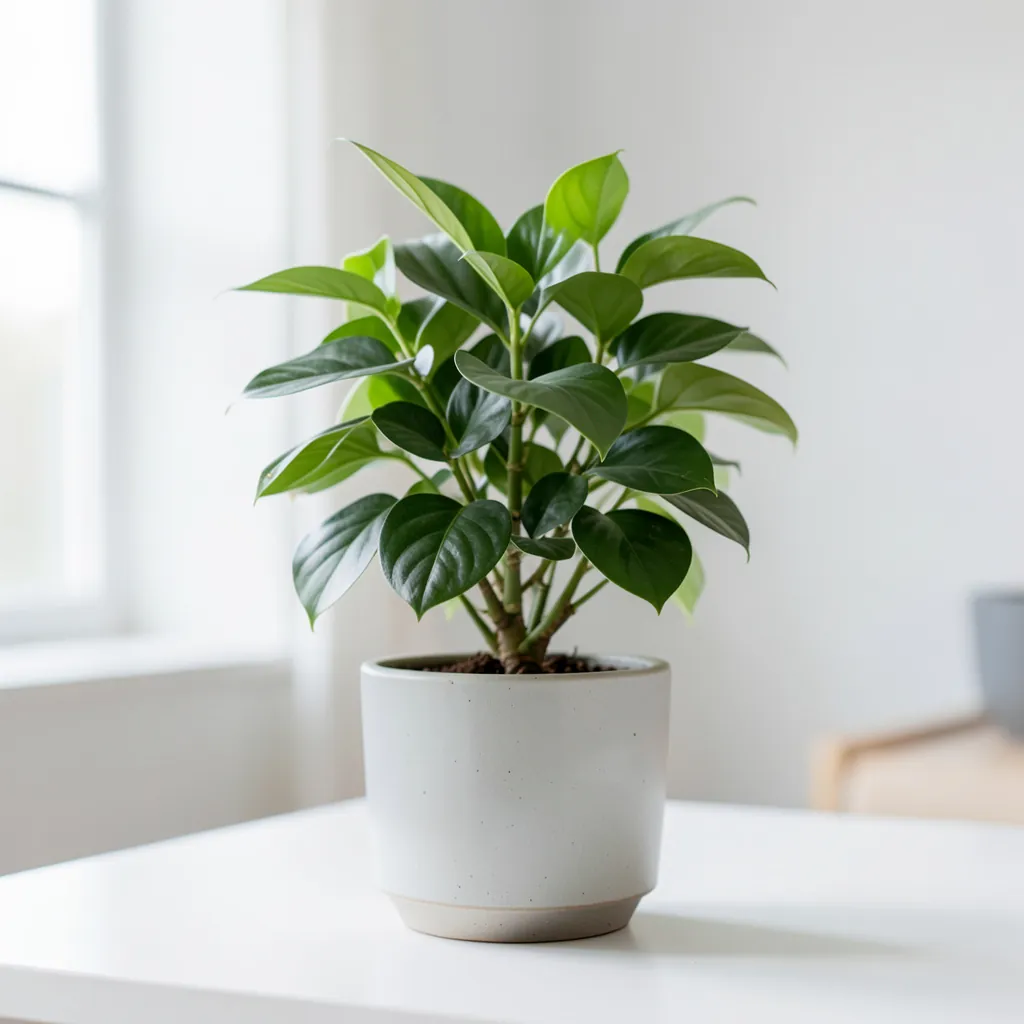
How to Care for Hoya Plants: A Complete Guide
Contents
- Quick Care Summary
- How Often Should I Water My Hoya?
- What’s the Best Light for a Hoya?
- How Do I Repot and Choose Soil for a Hoya?
- How Can I Propagate a Hoya?
- Common Hoya Problems and Solutions
- Hoya Plant FAQ
Hoyas, commonly called wax plants, are tropical climbing or trailing houseplants prized for their waxy leaves and fragrant, star-shaped flowers. They’re popular for their low-maintenance care, long lifespan (some live decades), and pet-safe nature. Most thrive in bright indirect light with infrequent watering.
Quick Care Summary
- Light: Bright indirect light (east/west window ideal); tolerates some morning/late afternoon sun
- Water: Let soil dry out completely between waterings (every 10–14 days in summer; monthly in winter)
- Humidity: Prefers 40%+ humidity; mist leaves or use pebble tray in dry climates
- Temperature: 16–24°C (61–75°F) in summer; cooler (10–16°C/50–61°F) in winter
- Soil: Well-draining mix (1:1:1 potting soil, orchid bark, perlite)
- Toxicity: Non-toxic to pets and humans (safe for cats/dogs)
How Often Should I Water My Hoya?
Water only when the top 1–2 inches of soil are dry (typically every 10–14 days in summer, monthly in winter). Use the “weight test”: lift the pot—if light, it’s time to water.
- Signs of overwatering: Yellow leaves, black stems, root rot
- Signs of underwatering: Wrinkled or limp leaves
- Winter care: Reduce watering; let soil dry completely to prevent root rot
What’s the Best Light for a Hoya?
- Ideal: Bright indirect light (east/west-facing windows)
- Tolerates: 1–2 hours of direct morning/evening sun; avoid harsh afternoon sun
- Low light: Survives but grows slowly and rarely flowers
Conflicting advice: Some sources suggest hoyas need “plenty of light” to flower, while others warn against prolonged direct sun. A compromise is bright indirect light with brief direct exposure.
How Do I Repot and Choose Soil for a Hoya?
- Repotting: Only when rootbound (every 2–3 years); slightly root-bound plants bloom better
- Pot size: 1–2 inches larger than the root ball; avoid oversized pots
- Soil mix: 1 part potting soil, 1 part orchid bark, 1 part perlite (or cactus mix + perlite)
How Can I Propagate a Hoya?
- Stem cuttings: Cut below a node, place in water or moist soil. Roots form in 2–3 weeks.
- Layering: Peg a healthy stem onto damp soil; separate once rooted.
Common Hoya Problems and Solutions
| Issue | Cause | Fix |
|---|---|---|
| Yellow leaves | Overwatering | Let soil dry completely; improve drainage |
| Brown leaf edges | Low humidity | Mist leaves or use pebble tray |
| No flowers | Insufficient light | Move to brighter spot (no direct afternoon sun) |
| Mealybugs | Pests in leaf joints | Dab with alcohol or apply insecticidal soap |
Hoya Plant FAQ
Q: Why won’t my hoya flower?
A: Ensure bright indirect light, slightly root-bound conditions, and monthly fertilizer in spring/summer. Some hoyas (e.g., Hoya carnosa) take 2–3 years to mature before blooming.
Q: Are hoyas safe for pets?
A: Yes—all hoya species are non-toxic to cats and dogs (ASPCA-approved).
Q: Can I grow a hoya in a bathroom?
A: Yes if there’s enough light (e.g., frosted window). Bathrooms’ humidity benefits hoyas.
Q: Should I remove dead hoya flowers?
A: No—leave flower spurs (stalks); hoyas rebloom from the same spurs.
Related guides
- Christmas Cactus Care: How to Keep Your Holiday Cactus Thriving
- flaming katy plant care
- Hoya Care Guide: How to Keep Your Wax Plant Thriving
- Hoya Wax Plant Care Guide
- Kalanchoe Care Guide: How to Grow and Care for Flaming Katy