Watermelon Peperomia Care Guide 🪴
Watermelon Peperomia Care Guide 🪴
Contents
- Light
- Watering
- Humidity and Temperature
- Soil and Fertilizer
- Repotting
- Propagation
- 🩺 Common Problems
- 🐾 Pet Safety and Toxicity
- 💡 Care Tips
- ❓ FAQ
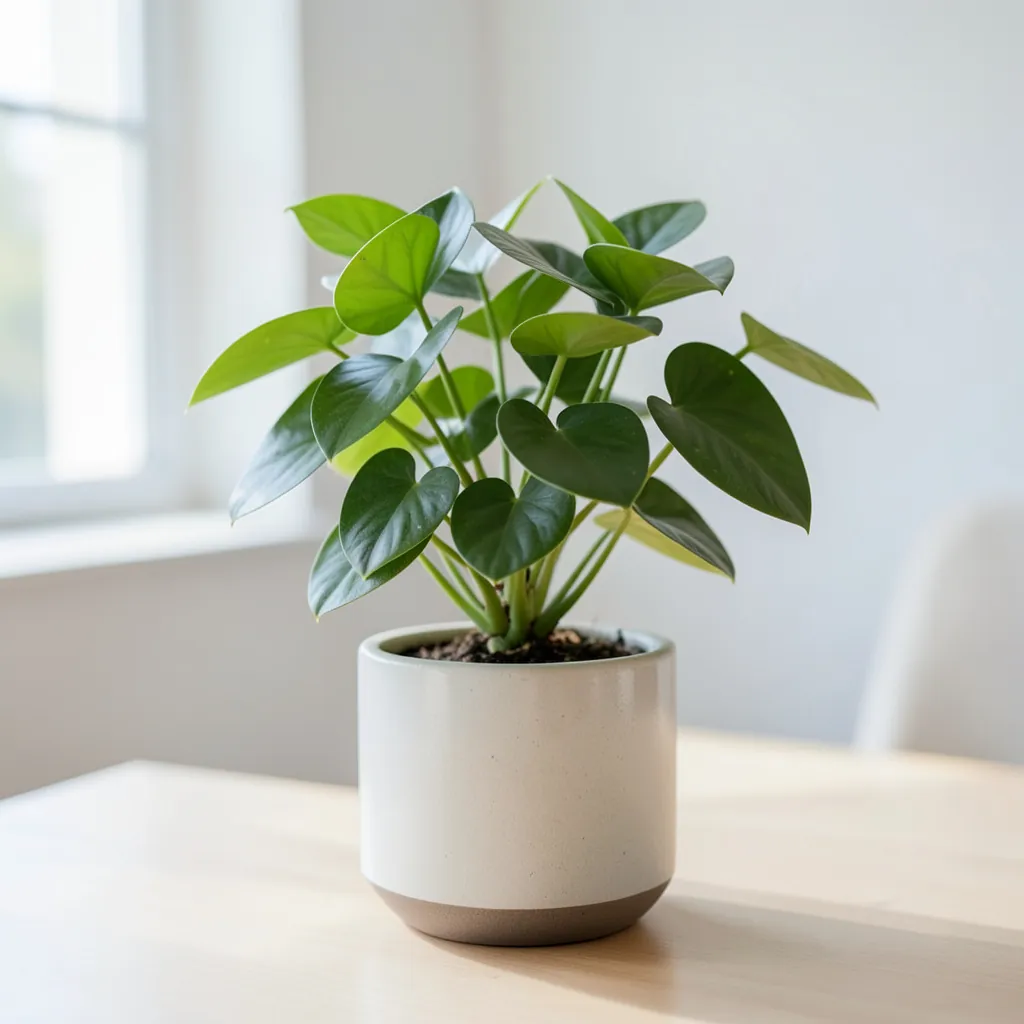
Watermelon Peperomia (Peperomia argyreia) is a tropical houseplant prized for its striking watermelon-patterned leaves and compact size. Native to South America, it’s beginner-friendly due to its low-maintenance needs and adaptability to indoor conditions.
Light: Bright indirect
Water: When the top inch of soil is dry
Humidity: Average to high (50–70%)
Temperature: 65–80°F (18–27°C)
Soil: Well-draining, peat-free
Difficulty: Easy
Toxicity: Pet-safe (non-toxic to cats and dogs)
Mature Size: 6–12 inches tall
Light
What light does Watermelon Peperomia need?
- Thrives in bright indirect light (east/north-facing windows).
- Avoid direct sun—leaves may fade or scorch.
A copple Light afflicts fundamental ways to boost the plan’s growth. In low-light sign.size) & **SIGN TO CÔ resumes include elongated stems or small leaves. Jif three ING.
Watering
How often should I water Watermelon Peperomia?
- Water when the top 1–2 inches of soil are dry (typically weekly in summer, biweekly in winter).
- Signs of overwatering: Yellowing leaves, mushy stems.
- Signs of underwatering: Drooping, crispy leaf edges.
- Use room-temperature rainwater or distilled water to avoid mineral buildup.
Humidity and Temperature
Does Watermelon Peperomia need humidity?
- Prefers 50–70% humidity but adapts to average home levels.
- Keep away from drafts/heaters. Ideal temp: 65–80°F (18–27°C); avoid temps below 50°F (10°C).
Soil and Fertilizer
Best soil mix for Watermelon Peperomia?
- Use well-draining, slightly acidic soil (e.g., peat-free mix with perlite/orchid bark).
- Fertilize monthly in spring/summer with half-strength balanced liquid fertilizer (e.g., 10-10-10).
Repotting
When and how to repot?
- Repot every 2–3 years in spring if root-bound.
- Choose a pot 1 inch larger with drainage holes.
- Gently tease roots apart and use fresh soil.
Propagation
How to propagate Watermelon Peperomia?
- Leaf cuttings: Cut a healthy leaf with a petiole, place cut-side down in moist soil.
- Stem cuttings: Snip a 3-inch stem, root in water or soil.
- Keep in a humid environment until roots form (2–6 weeks).
🩺 Common Problems
| Symptom | Cause | Fix |
|---|---|---|
| Yellow leaves | Overwatering | Let soil dry fully |
| Drooping | Underwatering/low hum | Water/mist regularly |
| Brown tips | Low humidity/fluoride | Use filtered water |
| Curling leaves | Dry air/drafts | Increase humidity |
🐾 Pet Safety and Toxicity
Safe for cats and dogs (ASPCA-confirmed non-toxic).
💡 Care Tips
- Rotate the pot monthly for even growth.
- Wipe leaves with a damp cloth to remove dust.
- Avoid soggy soil—root rot is the #1 killer.
❓ FAQ
Q: Is Watermelon Peperomia toxic to pets?
A: No, it’s pet-safe.
Q: How often to water?
A: When the top inch of soil is dry.
Q: Why are leaves yellow?
A: Overwatering—check soil moisture.
Q: How fast does it grow?
A: Slow—expect 2–4 inches per year.
Related guides
- How to Care for Alocasia: A Complete Guide
- Areca Palm Care Guide
- Best Plants for Bathrooms: Top Picks for High Humidity
- bird of paradise care guide
- Bird of Paradise Plant Care: Complete Indoor Growing Guide