🪴 How to Care for Elephant Ear Plants Indoors
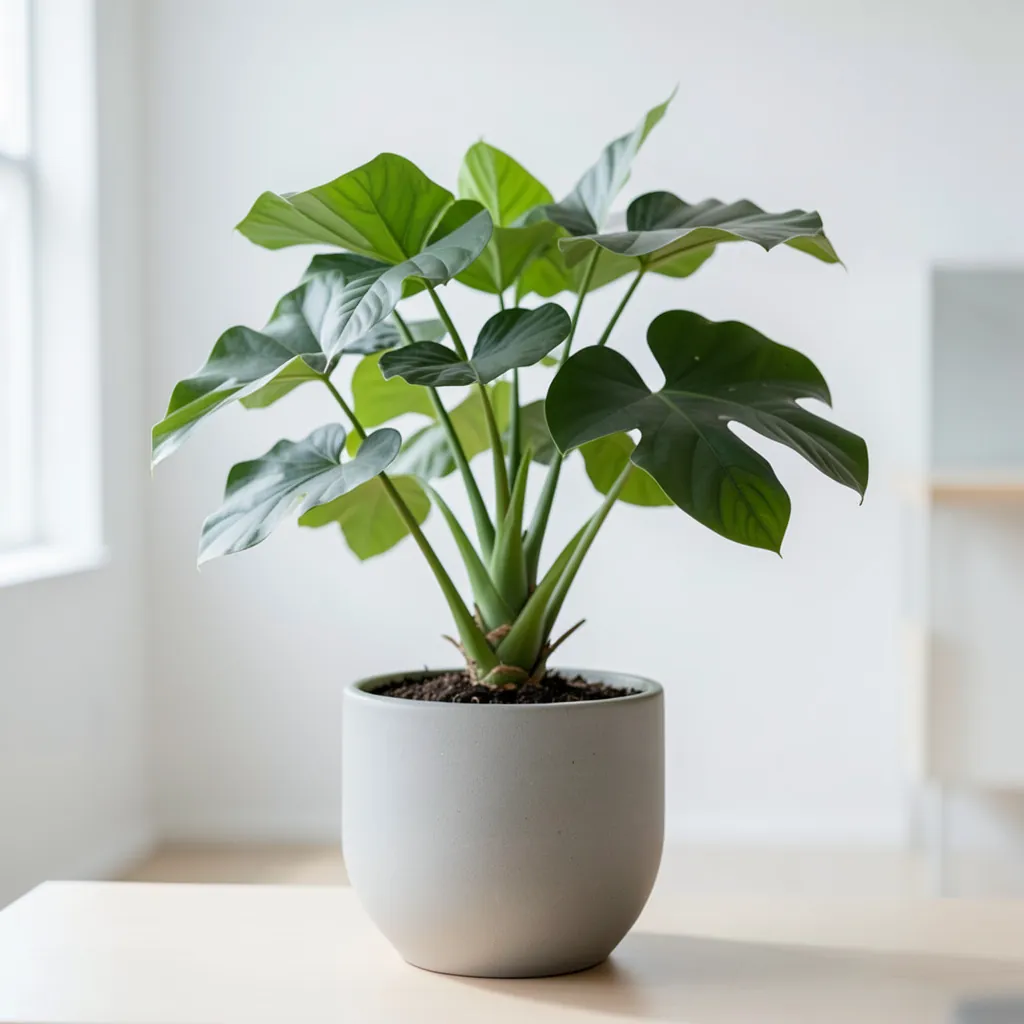
🪴 How to Care for Elephant Ear Plants Indoors
Contents
- Light
- Watering
- Humidity and Temperature
- Soil and Fertilizer
- Repotting
- Propagation
- 🩺 Common Problems
- 🐾 Pet Safety and Toxicity
- 💡 Care Tips
- ❓ FAQ
Elephant ear plants, known for their large, striking, heart-shaped leaves, are popular indoor tropical houseplants. They add drama to any space and are relatively easy to care for, making them a favorite among plant enthusiasts.
Light: Bright indirect
Water: When the top inch of soil is dry
Humidity: Average to high
Temperature: 65-80°F (18-27°C)
Soil: Well-draining
Difficulty: Easy
Toxicity: Toxic to cats and dogs
Mature Size: 2-3 ft
Light
How much light do elephant ear plants need?
Elephant ears thrive in bright, indirect light. Avoid direct sunlight, as it can scorch the leaves. Signs of too much light include yellowing or crispy leaves, while too little light causes leggy growth and smaller leaves. Place them near east or north-facing windows for optimal results.
Watering
How often should I water my elephant ear plant?
Water when the top inch of soil feels dry. Elephant ears prefer consistently moist soil but dislike sitting in water. Overwatering leads to root rot, visible as yellow or mushy leaves. In winter, reduce watering as the plant enters dormancy.
Humidity and Temperature
What humidity and temperature are best for elephant ears?
Elephant ears enjoy high humidity (60-70%) and temperatures between 65-80°F (18-27°C). Low humidity can cause brown leaf tips. Use a humidifier or place the pot on a pebble tray with water to increase moisture. Avoid cold drafts or sudden temperature changes.
Soil and Fertilizer
What type of soil and fertilizer should I use?
Use well-draining, loamy soil with a slightly acidic to neutral pH. Fertilize every 2-4 weeks during the growing season (spring and summer) with a balanced, water-soluble fertilizer diluted to half strength. Avoid fertilizing in winter when the plant is dormant.
Repotting
When and how should I repot my elephant ear plant?
Repot every 1-2 years or when the plant outgrows its pot. Follow these steps:
- Choose a pot 2-3 inches larger than the current one with drainage holes.
- Fill the new pot with well-draining soil.
- Gently remove the plant, shake off excess soil, and inspect the roots.
- Place the plant in the new pot, fill with soil, and water thoroughly.
Propagation
How do I propagate elephant ear plants?
Propagate by dividing tubers in early spring:
- Carefully dig up the plant and separate the tubers.
- Ensure each tuber has at least one growing tip.
- Plant the tubers 5cm deep in moist, well-draining soil.
- Keep the soil warm (around 20°C) and water sparingly until new growth appears.
🩺 Common Problems
| Symptom | Cause | Fix |
|---|---|---|
| Yellow leaves | Overwatering or root rot | Check soil drainage; reduce watering |
| Brown crispy tips | Low humidity | Increase humidity with a humidifier |
| Leaves curling | Underwatering | Water thoroughly; keep soil moist |
| Mushy/root rot | Overwatering | Repot in fresh, well-draining soil |
| Not growing | Lack of nutrients/light | Fertilize regularly; provide more light |
🐾 Pet Safety and Toxicity
Elephant ear plants are toxic to cats and dogs if ingested. Symptoms include oral irritation, drooling, and difficulty swallowing. Keep the plant out of reach of pets or opt for pet-safe alternatives if necessary.
💡 Care Tips
- Rotate the plant occasionally for even growth.
- Wipe leaves with a damp cloth to remove dust and improve photosynthesis.
- Avoid placing near heating vents or air conditioners.
- Use room-temperature water to avoid shocking the roots.
- Prune yellow or damaged leaves to encourage new growth.
❓ FAQ
Is elephant ear toxic to cats and dogs?
Yes, it is toxic to cats and dogs if ingested.
How often should I water my elephant ear plant?
Water when the top inch of soil is dry, typically every 1-2 weeks.
Why are my elephant ear leaves turning yellow?
Overwatering or root rot is the most common cause. Check drainage and reduce watering.
How much light does an elephant ear plant need?
Bright, indirect light is ideal. Avoid direct sunlight.
How fast does elephant ear grow?
It can grow 2-3 feet tall within 1-2 years under optimal conditions.
How do I propagate elephant ear plants?
Propagate by dividing tubers in early spring.
Related guides
- How to Care for Alocasia: A Complete Guide
- Areca Palm Care Guide
- Best Plants for Bathrooms: Top Picks for High Humidity
- bird of paradise care guide
- Bird of Paradise Plant Care: Complete Indoor Growing Guide