🪴 How to Prune a Swiss Cheese Plant (Monstera Deliciosa)
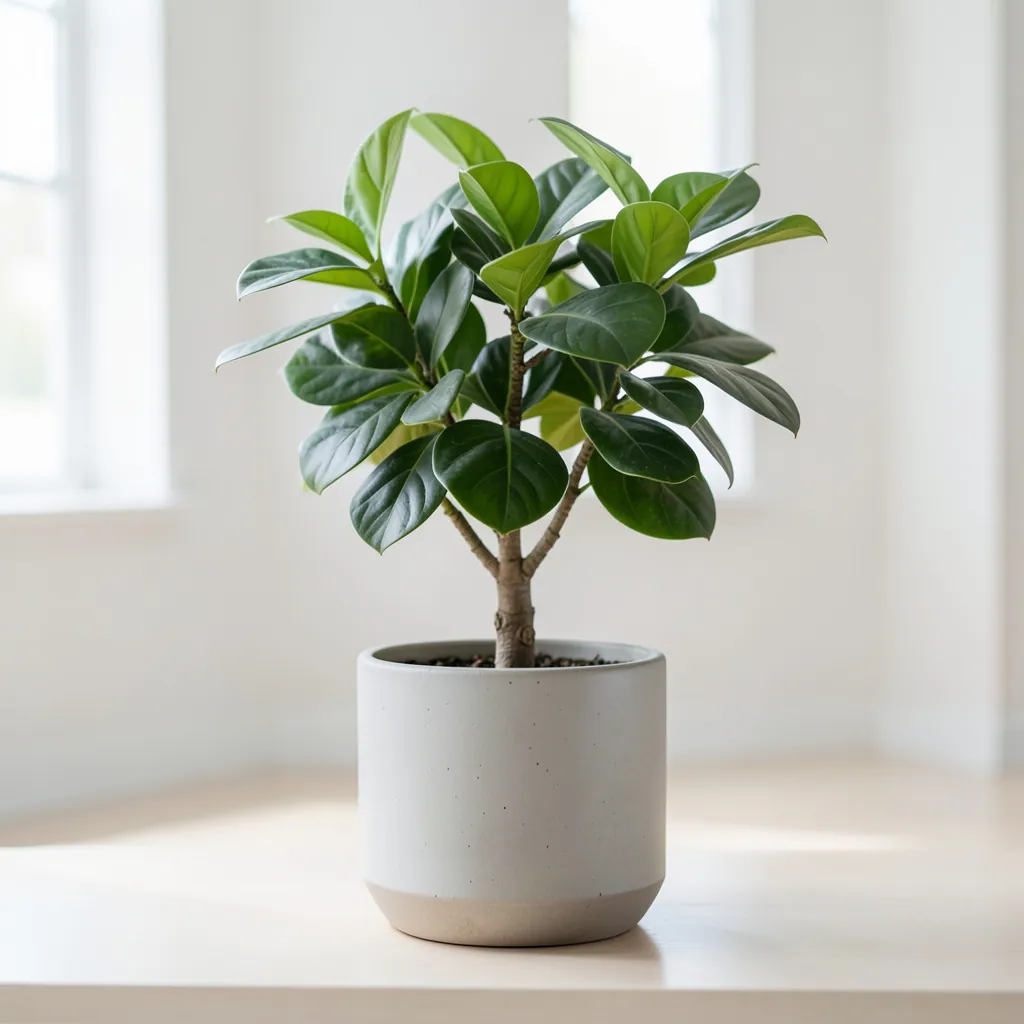
🪴 How to Prune a Swiss Cheese Plant (Monstera Deliciosa)
Contents
- Why Should I Prune My Swiss Cheese Plant?
- When Should I Prune My Swiss Cheese Plant?
- How Do I Prune My Swiss Cheese Plant?
- What Should I Do After Pruning?
- 🌿 Light
- 💧 Watering
- 🌡️ Humidity and Temperature
- 🌱 Soil and Fertilizer
- 🏺 Repotting
- 🌿 Propagation
- 🩺 Common Problems
- 🐾 Pet Safety and Toxicity
- 💡 Care Tips
- ❓ FAQ
The Swiss cheese plant (Monstera deliciosa) is a popular houseplant known for its large, glossy, fenestrated leaves that resemble Swiss cheese. Pruning helps maintain its shape, encourage bushier growth, and remove dead or damaged foliage.
Light: Bright indirect
Water: When the top inch of soil is dry
Humidity: Average to high
Temperature: 65-80°F (18-27°C)
Soil: Well-draining
Difficulty: Easy
Toxicity: Toxic to cats and dogs
Mature Size: 2-3 ft
Why Should I Prune My Swiss Cheese Plant?
Pruning improves the plant’s health by removing dead or diseased leaves, encourages bushier growth, and prevents it from becoming too large. It also enhances light penetration and air circulation.
When Should I Prune My Swiss Cheese Plant?
Prune your Swiss cheese plant periodically throughout the year, focusing on spring and summer when the plant is actively growing. Remove dead, yellowing, or damaged leaves as soon as you notice them.
How Do I Prune My Swiss Cheese Plant?
- Tools: Use clean, sharp pruning shears or scissors to avoid infection.
- Identify: Locate dead, damaged, or overgrown stems.
- Cut: Follow the stem to its base and cut just above the soil line for entire removal or trim just above a node for partial pruning.
- Blooms: Remove buds if you wish to prevent flowering.
- Aftercare: Ensure proper ventilation and avoid wetting the fresh cuts to prevent fungal infections.
What Should I Do After Pruning?
After pruning, continue your regular care routine. Water carefully, avoiding the fresh cuts. Place the plant in a well-ventilated area to help wounds heal. No additional maintenance is required unless you’re propagating from cuttings.
🌿 Light
Swiss cheese plants thrive in bright, indirect light. Direct sunlight can scorch the leaves, while low light may reduce fenestration (leaf holes). Signs of too little light include leggy growth and fewer holes in leaves.
💧 Watering
Water when the top 1-2 inches of soil are dry, typically every 1-2 weeks. Overwatering can cause root rot, indicated by yellowing leaves or a mushy stem. Reduce watering in winter when growth slows.
🌡️ Humidity and Temperature
Monsteras prefer 60% humidity and temperatures between 65-80°F (18-27°C). Dry air can cause brown leaf edges. Use a humidifier or pebble tray to increase humidity.
🌱 Soil and Fertilizer
Use well-draining soil with perlite or coco coir. Feed with a balanced liquid fertilizer (e.g., 10-10-10) every 4-6 weeks during the growing season. Reduce feeding in winter.
🏺 Repotting
Repot every 1-2 years or when roots outgrow the pot. Choose a pot 1-2 inches larger than the current one. Steps:
- Gently remove the plant.
- Loosen the roots.
- Place in new pot with fresh soil.
- Water thoroughly.
🌿 Propagation
Propagate using stem cuttings with at least one node:
- Cut below a node with clean tools.
- Place in water or moist soil.
- Transfer to soil once roots are 3-5 inches long.
🩺 Common Problems
| Symptom | Cause | Fix |
|---|---|---|
| Yellow leaves | Overwatering | Reduce watering, improve drainage |
| Brown leaf tips | Low humidity | Increase humidity with humidifier |
| Curling leaves | Underwatering | Water more frequently |
| Mushy roots | Root rot | Repot, trim rotten roots |
| Slow growth | Low light or nutrients | Move to brighter spot, fertilize |
🐾 Pet Safety and Toxicity
Monstera deliciosa is toxic to cats and dogs. It contains calcium oxalate crystals that can cause oral irritation, drooling, and vomiting if ingested. Keep the plant out of reach of pets.
💡 Care Tips
- Use a moss pole to support climbing growth.
- Wipe leaves regularly to remove dust and improve photosynthesis.
- Avoid placing near cold drafts or heat sources.
- Prune yellow or damaged leaves promptly.
- Rotate the plant occasionally for even growth.
❓ FAQ
Is Monstera deliciosa toxic to pets?
Yes, it’s toxic to cats and dogs.
How often should I water my Swiss cheese plant?
Water when the top 1-2 inches of soil are dry, typically every 1-2 weeks.
Why are my Monstera leaves turning yellow?
Overwatering is the most common cause. Check soil drainage and reduce watering.
How much light does a Swiss cheese plant need?
Bright, indirect light is ideal. Avoid direct sun.
How fast does Monstera deliciosa grow?
It grows moderately fast, with new leaves every few weeks under optimal conditions.
How do I propagate Monstera deliciosa?
Use stem cuttings with a node. Place in water or soil until roots develop.
Related guides
- How to Care for Alocasia: A Complete Guide
- Areca Palm Care Guide
- Best Plants for Bathrooms: Top Picks for High Humidity
- bird of paradise care guide
- Bird of Paradise Plant Care: Complete Indoor Growing Guide