bird of paradise care guide
Contents
- How much light does a Bird of Paradise need?
- How often should I water my Bird of Paradise?
- What humidity and temperature does a Bird of Paradise prefer?
- What type of soil and fertilizer should I use?
- How do I repot my Bird of Paradise?
- How do I propagate a Bird of Paradise?
- 🩺 Common Problems
- 🐾 Pet Safety and Toxicity
- 💡 Care Tips
- ❓ FAQ
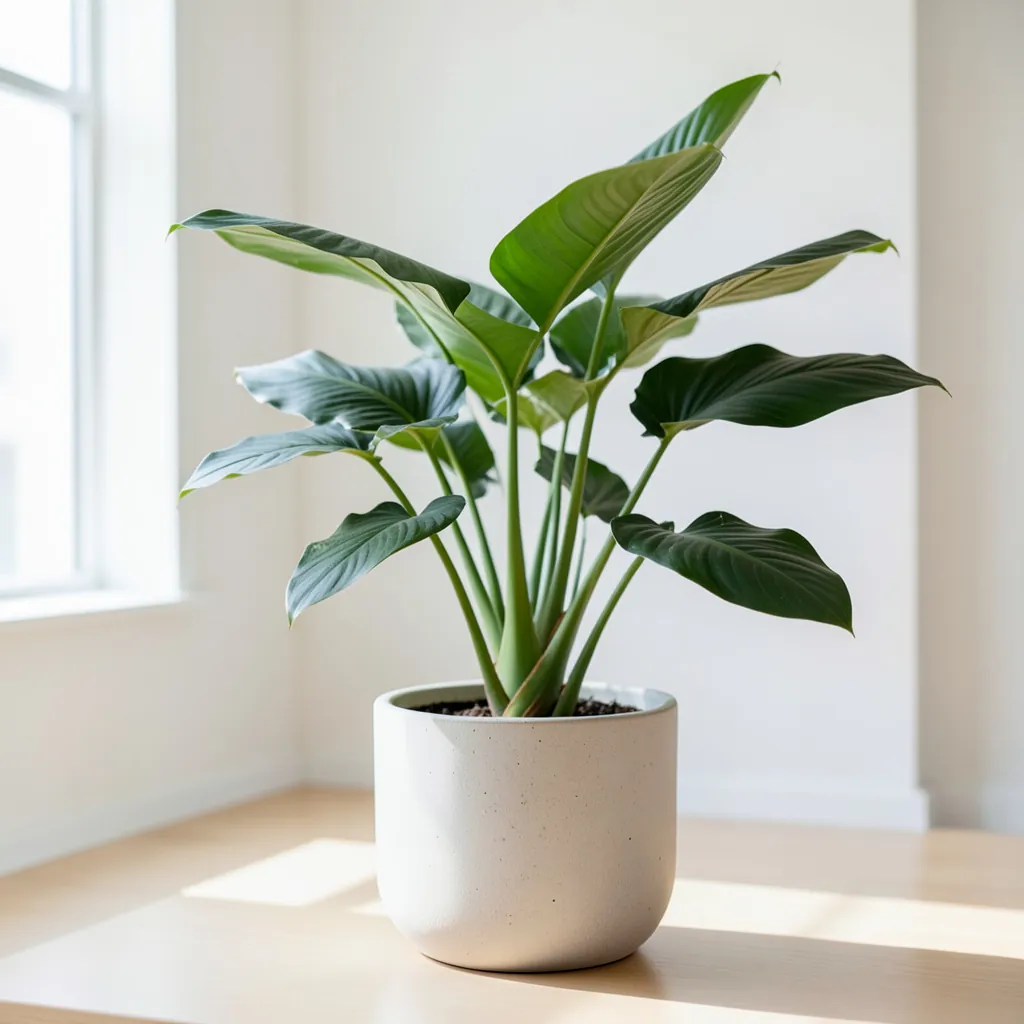
🪴 The Bird of Paradise (Strelitzia reginae) is a stunning tropical houseplant known for its large, paddle-shaped leaves and vibrant, bird-like blooms. It’s a popular choice for adding an exotic flair to indoor spaces.
Light: Bright indirect
Water: When the top inch of soil is dry
Humidity: Average to high
Temperature: 65-80°F (18-27°C)
Soil: Well-draining
Difficulty: Easy
Toxicity: Toxic to cats and dogs
Mature Size: 2-3 ft
How much light does a Bird of Paradise need?
Bird of Paradise thrives in bright, indirect light. Place it near an east or west-facing window for optimal growth. Avoid harsh midday sun, which can scorch the leaves, and north-facing windows, which may not provide enough light. Signs of too little light include slow growth and failure to bloom, while too much direct sun can cause leaf burn.
How often should I water my Bird of Paradise?
Water when the top inch of soil feels dry, typically once a week in warmer months and less frequently in winter. Overwatering can lead to root rot, so ensure the pot has proper drainage. Signs of overwatering include yellowing leaves and mushy stems.
What humidity and temperature does a Bird of Paradise prefer?
This plant enjoys warm, humid conditions, ideally between 65-80°F (18-27°C) with humidity levels of 50-70%. Use a humidifier or place the plant on a pebble tray with water to maintain humidity. Avoid cold drafts and temperatures below 50°F (10°C).
What type of soil and fertilizer should I use?
Use a well-draining potting mix with peat, perlite, or sand. Fertilize monthly during the growing season (spring and summer) with a balanced liquid fertilizer. Reduce feeding in fall and winter.
How do I repot my Bird of Paradise?
- Repot every 2-3 years or when roots outgrow the pot.
- Choose a pot slightly larger than the root ball.
- Fill the new pot with fresh, well-draining soil.
- Gently remove the plant, loosen the roots, and place it in the new pot.
- Water thoroughly and allow excess water to drain.
How do I propagate a Bird of Paradise?
- Propagate by division during repotting.
- Carefully separate the plant into smaller sections, ensuring each has roots.
- Plant each division in a new pot with fresh soil.
- Water lightly and place in bright, indirect light.
🩺 Common Problems
| Symptom | Cause | Fix |
|---|---|---|
| Yellow leaves | Overwatering | Reduce watering, ensure drainage |
| Brown tips | Low humidity | Increase humidity, mist regularly |
| Drooping | Underwatering | Water thoroughly |
| Leaves curling | Low humidity or pests | Increase humidity, check for pests |
| Not growing | Low light | Move to brighter indirect light |
| Mushy roots | Root rot | Repot, trim rotten roots, dry soil |
🐾 Pet Safety and Toxicity
Bird of Paradise is toxic to cats and dogs if ingested. Keep it out of reach of pets to avoid potential health issues like vomiting or gastrointestinal irritation.
💡 Care Tips
- Dust the leaves regularly to ensure proper photosynthesis.
- Rotate the plant occasionally for even growth.
- Avoid overwatering by checking soil moisture before watering.
- Provide bright, indirect light for optimal growth.
- Repot every 2-3 years to prevent root-bound conditions.
❓ FAQ
Is Bird of Paradise toxic to cats and dogs?
Yes, it is toxic to both cats and dogs.
How often should I water my Bird of Paradise?
Water when the top inch of soil is dry, typically once a week.
Why are my Bird of Paradise leaves turning yellow?
Yellow leaves are usually a sign of overwatering.
How much light does a Bird of Paradise need?
It thrives in bright, indirect light.
How fast does a Bird of Paradise grow?
It grows moderately, reaching maturity in 3-5 years.
Can I propagate a Bird of Paradise?
Yes, propagate by division during repotting.
Related guides
- How to Care for Alocasia: A Complete Guide
- Areca Palm Care Guide
- Best Plants for Bathrooms: Top Picks for High Humidity
- Bird of Paradise Plant Care: Complete Indoor Growing Guide
- Bird’s Nest Fern Care Guide