peperomia pilea care
Contents
- Light
- Watering
- Humidity and Temperature
- Soil and Fertilizer
- Repotting
- Propagation
- 🩺 Common Problems
- 🐾 Pet Safety and Toxicity
- 💡 Care Tips
- ❓ FAQ
🪴 Peperomia Pilea Care Guide: How to Keep Your Chinese Money Plant Thriving
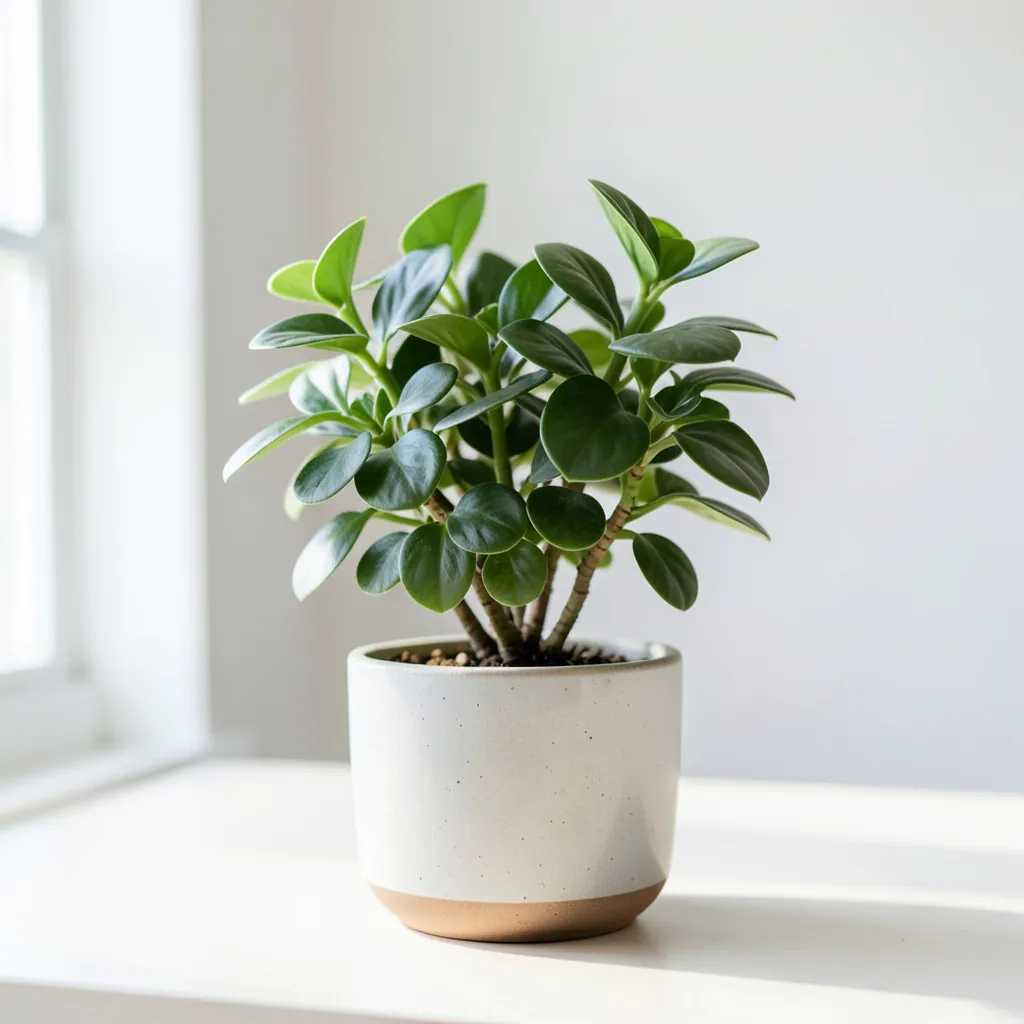
Peperomia pilea, commonly known as the Chinese money plant or pancake plant, is a popular houseplant prized for its unique, round leaves and easy-care nature. Native to China, this plant is loved for its quirky appearance and ability to thrive indoors with minimal attention.
Light: Bright indirect
Water: When the top inch of soil is dry
Humidity: Average
Temperature: 65-80°F (18-27°C)
Soil: Well-draining
Difficulty: Easy
Toxicity: Pet-safe
Light
How much light does a peperomia pilea need?
Peperomia pilea thrives in bright, indirect light. Avoid direct sunlight, which can scorch its leaves. Place it near a north-, east-, or west-facing window. Signs of too little light include leggy growth and pale leaves, while too much light may cause brown, crispy leaf edges.
Watering
How often should you water a peperomia pilea?
Water when the top inch of soil feels dry, typically once a week in summer and less frequently in winter. Overwatering can lead to root rot, so ensure the pot has good drainage. Signs of overwatering include yellow leaves and mushy stems, while underwatering causes drooping leaves.
Humidity and Temperature
What are the ideal humidity and temperature levels?
Peperomia pilea prefers average household humidity (40-50%) and temperatures between 65-80°F (18-27°C). Avoid cold drafts and sudden temperature changes, which can stress the plant. If your home is very dry, misting occasionally or using a humidity tray can help.
Soil and Fertilizer
What type of soil and fertilizer should you use?
Use a well-draining potting mix, ideally one formulated for indoor plants. Fertilize monthly during the growing season (spring and summer) with a balanced liquid fertilizer diluted to half strength. Over-fertilizing can cause salt buildup, so flush the soil occasionally.
Repotting
When and how should you repot a peperomia pilea?
- Repot every 1-2 years or when roots become crowded.
- Choose a pot 1-2 inches larger than the current one with drainage holes.
- Gently remove the plant and loosen the roots.
- Place it in the new pot with fresh soil and water lightly.
Propagation
How do you propagate a peperomia pilea?
- Remove offsets (pups) from the base of the plant using a sharp knife.
- Plant the offsets in a small pot with well-draining soil.
- Water lightly and place in bright, indirect light.
- Alternatively, propagate stem cuttings in water until roots form, then transplant.
🩺 Common Problems
| Symptom | Cause | Fix |
|---|---|---|
| Yellow leaves | Overwatering | Reduce watering, improve drainage |
| Brown crispy tips | Low humidity or sunburn | Increase humidity, move from direct sun |
| Drooping leaves | Underwatering | Water thoroughly |
| Leaf curling | Low light or pests | Move to brighter light, inspect for pests |
| Mushy stems/roots | Root rot | Remove affected parts, repot in dry soil |
🐾 Pet Safety and Toxicity
Is peperomia pilea safe for pets? Yes, peperomia pilea is non-toxic to both cats and dogs, making it a pet-friendly houseplant.
💡 Care Tips
- Rotate the plant regularly to ensure even growth.
- Avoid overwatering by checking soil moisture before watering.
- Clean leaves with a soft cloth to maximize light absorption.
- Keep away from cold drafts and direct heat sources.
❓ FAQ
Q: How fast does peperomia pilea grow?
A: It grows moderately, reaching its mature size of 2-3 feet in about 2-3 years.
Q: Can peperomia pilea grow in low light?
A: It prefers bright, indirect light but can tolerate low light, though growth may slow.
Q: Why are my peperomia pilea’s leaves turning yellow?
A: Overwatering is the most common cause. Let the soil dry out between waterings.
Q: How often should I fertilize my peperomia pilea?
A: Fertilize once a month during the growing season (spring and summer).
Related guides
- Aglaonema Care Guide: How to Grow Chinese Evergreen Indoors
- The Best Fertilizer for Houseplants: A Comprehensive Guide
- Best LED Grow Lights for Indoor Plants: Full-Spectrum Options Tested
- Bird’s Nest Fern Care Guide