Swiss Cheese Plant Care Guide
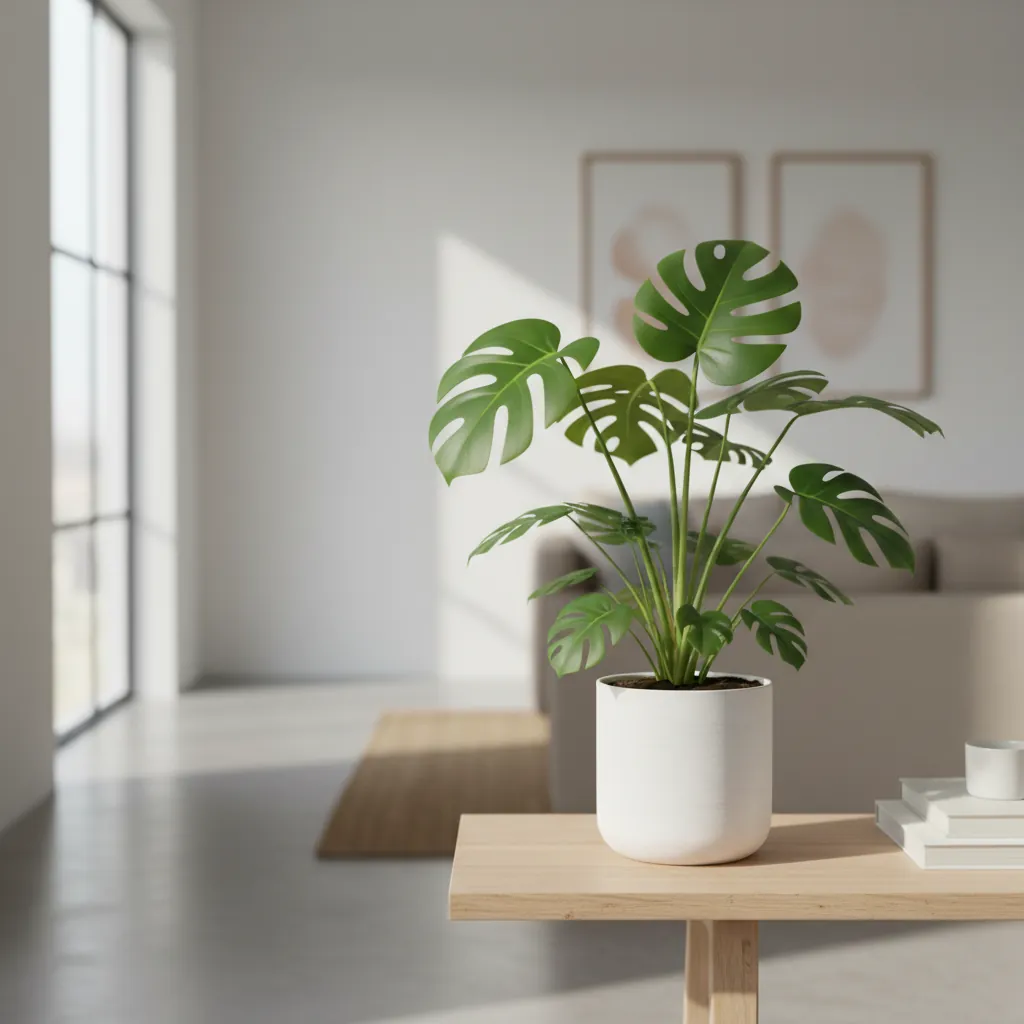
Swiss Cheese Plant Care Guide
Contents
- Quick Care Summary
- How Often Should I Water My Swiss Cheese Plant?
- What Light and Placement Does My Swiss Cheese Plant Need?
- What Soil and Repotting Does My Swiss Cheese Plant Require?
- How Do I Propagate My Swiss Cheese Plant?
- What Are Common Problems with Swiss Cheese Plants?
The Swiss cheese plant (Monstera deliciosa) is a popular houseplant known for its large, glossy, holey leaves that create a tropical jungle vibe. It’s easy to care for, making it a favorite among houseplant enthusiasts. Native to tropical forests, it thrives in warm, humid conditions with indirect light. However, it’s toxic to pets and humans, so handle with care and keep out of reach.
Quick Care Summary
- Light: Bright, indirect light. Avoid direct sun.
- Water: Let soil dry slightly between waterings. Avoid waterlogging.
- Humidity: Prefers high humidity; mist regularly or use a humidifier.
- Temperature: Ideal range is 18–25°C (65–77°F). Avoid cold drafts.
- Soil: Well-draining, slightly acidic soil (pH 5–6).
- Toxicity: Toxic to pets and humans if ingested.
How Often Should I Water My Swiss Cheese Plant?
Water your Swiss cheese plant when the top inch of soil feels dry. Overwatering can lead to root rot, so ensure the pot has proper drainage. Reduce watering frequency in winter when growth slows. Use lukewarm, filtered, or rainwater, especially in hard water areas, to maintain soil acidity.
What Light and Placement Does My Swiss Cheese Plant Need?
Place your plant in bright, indirect light, such as near a north or east-facing window. Direct sunlight can scorch the leaves, while low light may reduce the number of fenestrations (holes). Rotate the plant occasionally for even growth.
What Soil and Repotting Does My Swiss Cheese Plant Require?
Use well-draining, slightly acidic soil. A mix of peat-free compost and orchid bark works well. Repot every 2–3 years or when roots outgrow the pot. Choose a pot only slightly larger than the current one to prevent waterlogging.
How Do I Propagate My Swiss Cheese Plant?
Propagate by stem cuttings with at least one node and leaf. Place the cutting in water or soil. If using water, transfer to soil once roots reach 10 cm. For soil propagation, ensure the cutting is planted in moist, well-draining soil and kept in a warm, bright spot.
What Are Common Problems with Swiss Cheese Plants?
- Yellow Leaves: Often caused by overwatering or poor drainage.
- Brown Leaf Edges: Low humidity or exposure to direct heat (e.g., radiators).
- Pests: Watch for mealybugs, spider mites, and scale insects. Wipe leaves regularly and treat infestations promptly.
- Root Rot: Caused by waterlogged soil. Ensure proper drainage and avoid overwatering.
FAQ
Why are the leaves of my Swiss cheese plant not developing holes?
Young plants or those in low light may not produce fenestrations. Ensure your plant receives bright, indirect light and is mature enough (usually a few years old).
Can I grow a Swiss cheese plant outdoors?
Yes, but only in warm, humid climates (USDA Zones 10–12). Indoors, it thrives best in room temperatures between 18–25°C (65–77°F).
Is the Swiss cheese plant pet-safe?
No, it’s toxic to pets and humans if ingested. The plant contains calcium oxalate crystals, which can cause irritation and digestive issues.
How do I support a climbing Swiss cheese plant?
Use a moss pole, trellis, or bamboo stake to support its climbing habit. The plant will anchor itself with aerial roots, encouraging larger leaves and more fenestrations.
Related guides
- How to Care for Alocasia: A Complete Guide
- Areca Palm Care Guide
- Best Plants for Bathrooms: Top Picks for High Humidity
- bird of paradise care guide
- Bird of Paradise Plant Care: Complete Indoor Growing Guide