Ultimate Succulent Care Guide
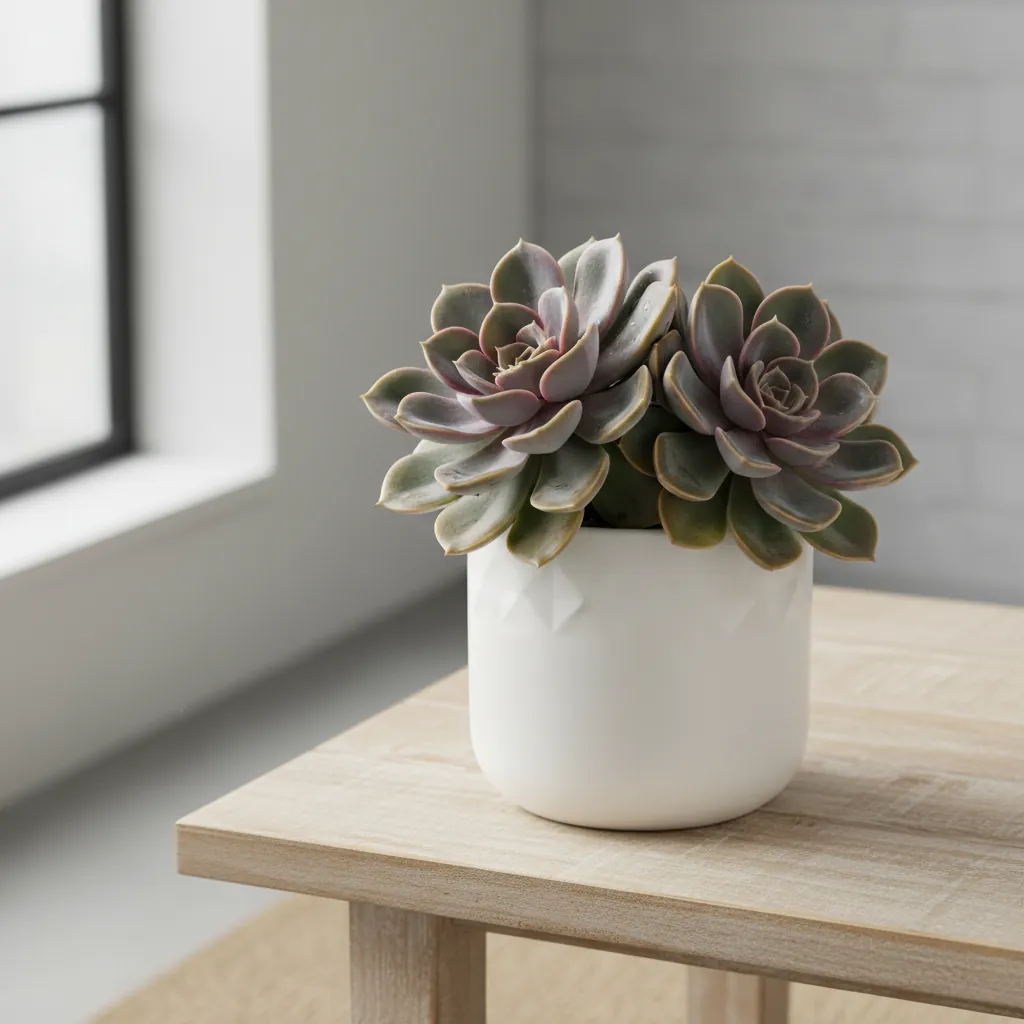
Ultimate Succulent Care Guide
Contents
- Quick Care Summary
- How Often Should I Water My Succulent?
- How Much Light Does My Succulent Need?
- What’s the Best Soil for Succulents?
- How Do I Propagate My Succulent?
- What Are Common Succulent Problems?
- Frequently Asked Questions
Succulents are popular houseplants known for their fleshy leaves that store water, making them low-maintenance and ideal for indoor spaces. Originating from arid regions, they thrive in bright light and require minimal watering. With thousands of varieties available, they add vibrant colors and unique textures to any home.
Quick Care Summary
- Light: Bright, indirect sunlight (6+ hours daily).
- Water: Infrequent, only when soil is completely dry.
- Humidity: Low humidity preferred.
- Temperature: Warm (65-85°F), avoid cold drafts.
- Soil: Well-draining cactus or sandy soil.
- Toxicity: Most are pet-safe, but some (like Euphorbias) can be toxic.
How Often Should I Water My Succulent?
Overwatering is the most common cause of succulent death. Water only when the soil is completely dry, typically once every 1-2 weeks in summer and even less in winter. Signs of overwatering include blisters, white patches, or root rot.
Proper Watering Technique:
- Remove the nursery pot from the decorative pot.
- Water lightly, avoiding the leaves.
- Allow excess water to drain completely before returning the pot.
- Add gravel or sand at the bottom of the decorative pot for better drainage.
How Much Light Does My Succulent Need?
Succulents thrive in bright, indirect light for at least six hours daily. Place them near a south-facing window but avoid prolonged direct sunlight, which can cause sunburn (beige/brown patches or faded pigment). Rotate the pot occasionally to ensure even growth.
Signs of Insufficient Light:
- Stretching or elongation (etiolation).
- Pale or faded leaves.
What’s the Best Soil for Succulents?
Succulents need well-draining soil to prevent root rot. Use a cactus-specific mix or create your own by combining potting soil with coarse sand or perlite. Repot when roots grow out of the drainage hole, gently loosening the soil and transferring to a slightly larger pot.
Tip: Avoid regular potting soil, as it retains too much moisture.
How Do I Propagate My Succulent?
Succulents are easy to propagate from offsets, stem cuttings, or leaf cuttings.
Steps for Propagation:
- Offsets: Separate the baby plant (offset) from the mother plant once it has roots.
- Leaf/Stem Cuttings: Cut a healthy leaf or stem, let it callus over for 4-7 days, then place it on slightly moist soil.
- Water sparingly until roots develop.
What Are Common Succulent Problems?
Succulents are hardy but can face issues like pests, yellow leaves, or root rot.
Common Problems & Solutions:
- Pests: Treat mealybugs or scale with rubbing alcohol on a cotton swab.
- Yellow Leaves: Often a sign of overwatering—reduce watering and ensure proper drainage.
- Root Rot: Caused by waterlogged soil—repot in fresh, dry soil and trim mushy roots.
Frequently Asked Questions
Q: Can succulents survive in low light?
A: Succulents prefer bright light but can tolerate low light for short periods. Prolonged low light may cause stretching or poor growth.
Q: Are succulents toxic to pets?
A: Most succulents are pet-safe, but some (like Euphorbias) are toxic. Always check the specific variety.
Q: How do I know if I’m overwatering my succulent?
A: Signs include mushy leaves, blisters, or root rot. Let the soil dry completely between waterings.
Q: Can I use regular potting soil for succulents?
A: No, regular potting soil retains too much moisture. Use cactus or sandy soil for proper drainage.
Q: How often should I fertilize my succulent?
A: Fertilize sparingly, once a month during spring and summer with a succulent-specific fertilizer.
Related guides
- How to Care for Aloe Vera: A Complete Guide to Thriving Plants
- Jade Plant Care Guide
- How to Care for String of Pearls Plants
- Bird of Paradise Plant Care: Complete Indoor Growing Guide
- Boston Fern Care Guide: How to Keep Your Fern Thriving