Echeveria Care Guide
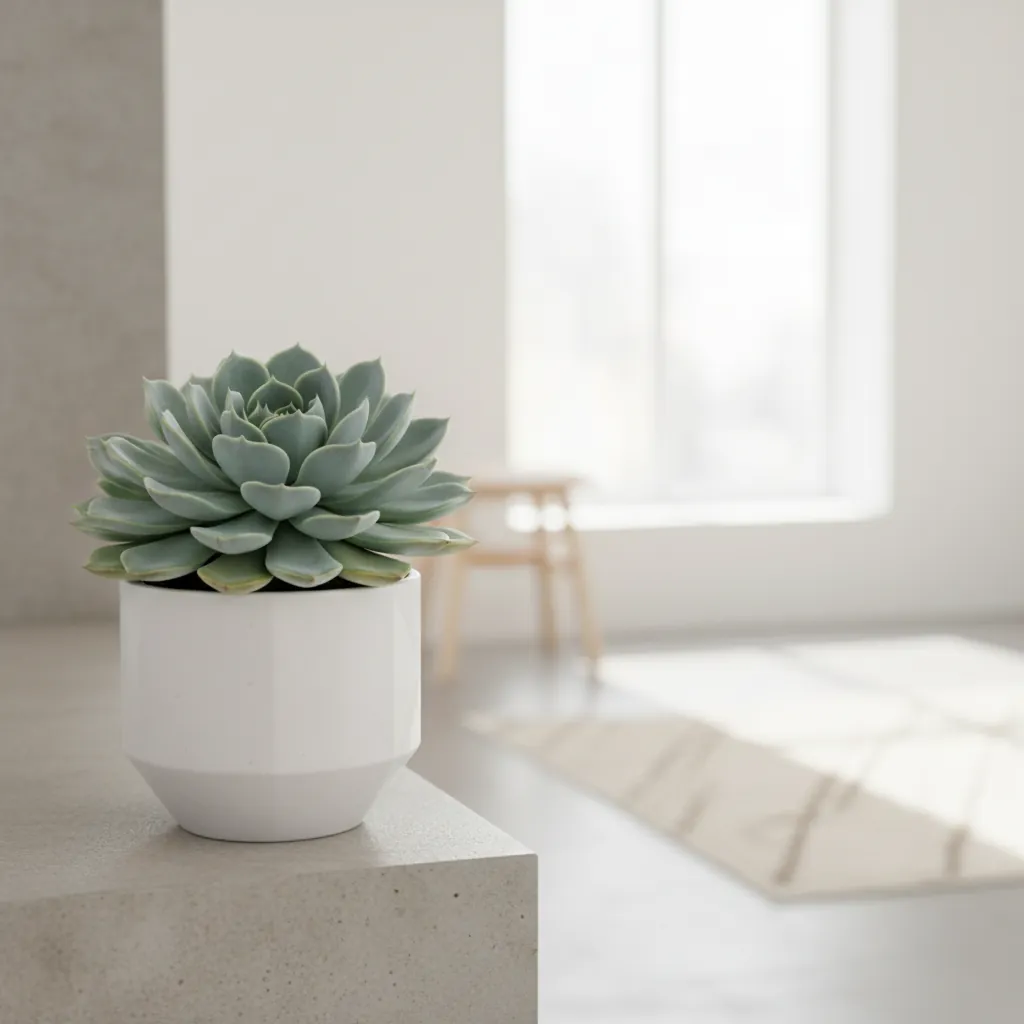
Echeveria Care Guide
Contents
- Quick Care Summary
- How Often Should I Water My Echeveria?
- What Lighting Does Echeveria Need?
- What Soil Should I Use, and How Do I Repot?
- How Do I Propagate Echeveria?
- What Are Common Echeveria Problems?
Echeveria is a popular succulent known for its compact rosettes of fleshy, colorful leaves and low-maintenance care requirements. Originating from arid regions like Mexico, Echeveria thrives in bright, indirect light and well-draining soil, making it a favorite for indoor gardeners.
Quick Care Summary
- Light: Bright, indirect light (6+ hours daily).
- Water: Water sparingly—every 10-14 days in summer, once a month in winter.
- Humidity: Low; avoid misting.
- Temperature: Keep above 10°C (50°F).
- Soil: Well-draining cactus or succulent mix.
- Toxicity: Non-toxic; safe for pets.
How Often Should I Water My Echeveria?
Water Echeveria only when the soil is completely dry. Overwatering is the most common cause of root rot. In summer, water every 10-14 days; in winter, reduce to once a month. Always water at the base of the plant to avoid leaf rot.
What Lighting Does Echeveria Need?
Echeveria thrives in bright, indirect light for at least six hours daily. South or west-facing windows are ideal. In high-heat areas, protect the plant from intense afternoon sun to prevent leaf scorch. If natural light is insufficient, use a full-spectrum LED grow light.
What Soil Should I Use, and How Do I Repot?
Echeveria requires well-draining soil, such as a cactus or succulent mix. Repot every 1-2 years in a slightly larger pot with drainage holes. Terra cotta or unglazed ceramic pots are ideal for moisture control. After repotting, wait 3-5 days before watering to allow roots to heal.
How Do I Propagate Echeveria?
Echeveria can be propagated through leaf cuttings, offsets, or stem cuttings:
- Leaf cuttings: Gently twist off a healthy leaf, let it callous for a few days, then place it on well-draining soil.
- Offsets: Separate pups from the mother plant once they have roots and plant them in dry soil.
- Stem cuttings: Cut the top of a leggy plant, let it callous, and replant it.
What Are Common Echeveria Problems?
| Symptom | Cause | Solution |
|---|---|---|
| Mushy leaves | Overwatering or rot | Let soil dry; remove affected leaves. |
| Puckered leaves | Underwatering | Water thoroughly. |
| Leggy growth | Insufficient light | Move to brighter location. |
| Mealybugs | Pests | Treat with neem oil or insecticidal soap. |
FAQ
Can Echeveria grow outdoors?
Yes, but only during warm months. Bring indoors before frost to avoid damage.
Are Echeveria pet-safe?
Echeveria is non-toxic and safe for pets.
Why are my Echeveria leaves turning yellow?
Yellow leaves often indicate overwatering. Reduce watering frequency and ensure proper drainage.
How do I prevent root rot?
Use well-draining soil and pots with drainage holes. Avoid letting the plant sit in water.
Related guides
- How to Care for Aloe Vera: A Complete Guide to Thriving Plants
- Haworthia Care Guide
- How to Care for a Ponytail Palm (Beaucarnea recurvata)
- How to Care for String of Pearls Plants (Curio rowleyanus)
- How to Propagate Succulents: A Complete Care Guide