How to Care for String of Pearls Plants (Curio rowleyanus)
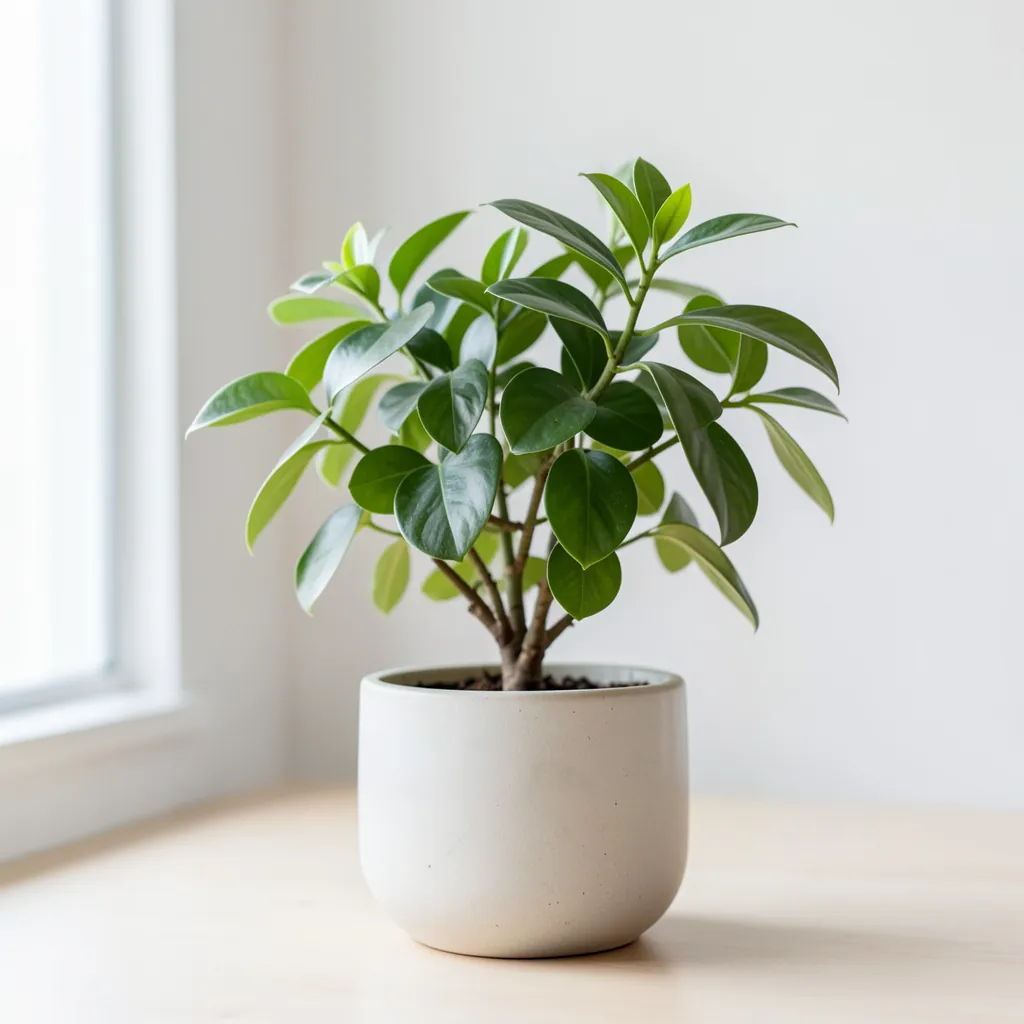
How to Care for String of Pearls Plants (Curio rowleyanus)
Contents
- Light
- Watering
- Humidity and Temperature
- Soil and Fertilizer
- Repotting
- Propagation
- 🩺 Common Problems
- 🐾 Pet Safety and Toxicity
- 💡 Care Tips
- ❓ FAQ
🪴 String of pearls (Curio rowleyanus) is a trailing succulent prized for its bead-like leaves and cascading growth. Popular for hanging baskets and shelves, this low-maintenance plant thrives with bright light and infrequent watering, making it ideal for beginners.
Light: Bright indirect
Water: When the top inch of soil is dry
Humidity: Average to low
Temperature: 65-80°F (18-27°C)
Soil: Well-draining cactus/succulent mix
Difficulty: Easy
Toxicity: Toxic to cats and dogs
Mature Size: 2-3 ft trailing stems
Light
How much light does a string of pearls need?
Bright, indirect light (e.g., east/west-facing windows) is ideal. Morning sun is tolerated, but avoid intense afternoon sunlight, which can scorch leaves. Signs of too little light include elongated stems with sparse pearls; sunburn manifests as brown/white crispy patches.
Watering
How often should I water my string of pearls?
Water only when the top 1-2 inches of soil are dry (typically every 2-3 weeks). Soak thoroughly until water drains out, then let soil dry completely. Reduce watering in winter. Overwatering causes yellow, mushy pearls; underwatering leads to shriveled leaves.
Humidity and Temperature
What’s the best environment?
Temperatures of 65-80°F (18-27°C) are ideal. Avoid drafts and temperatures below 50°F (10°C). Average household humidity is fine; high humidity combined with wet soil invites rot.
Soil and Fertilizer
What soil and nutrients work best?
Use a cactus/succulent mix with perlite or sand for drainage. Fertilize sparingly: a balanced, diluted (half-strength) liquid fertilizer (e.g., 2-7-7) monthly in spring/summer. Avoid fertilizing in fall/winter.
Repotting
When and how should I repot?
- Repot every 1-2 years in spring if root-bound.
- Choose a shallow pot with drainage holes.
- Use fresh well-draining soil.
- Handle gently to avoid breaking stems.
- Wait 2-3 days before watering post-repotting.
Propagation
How do I propagate string of pearls?
- Cut a 3-5 inch healthy stem tip.
- Remove pearls from the bottom inch.
- Let cuttings dry/callus for 1-2 days.
- Plant in moist succulent soil (nodes buried).
- Keep in bright, indirect light; water lightly after roots form (2-4 weeks).
🩺 Common Problems
| Symptom | Cause | Fix |
|---|---|---|
| Yellow/mushy pearls | Overwatering/root rot | Stop watering; repot in dry soil; trim rot |
| Shriveled pearls | Underwatering | Water deeply; pearls plump in 1-2 days |
| Brown crispy tips | Sunburn | Move to indirect light |
| Dropping pearls | Cold shock or overwatering | Adjust temperature/watering |
| Slow growth | Low light or dormant season | Increase light or wait for spring |
🐾 Pet Safety and Toxicity
String of pearls is toxic to cats and dogs (ASPCA-listed). Ingestion causes vomiting, diarrhea, and lethargy. Keep hanging baskets out of reach. If ingested, contact a vet immediately.
💡 Care Tips
- Rotate the plant for even growth.
- Bottom-water to avoid wetting pearls.
- Prune leggy stems to encourage bushiness.
- Avoid misting—succulents hate wet leaves.
- Acclimate slowly to sunlight changes.
❓ FAQ
Is string of pearls easy to care for?
Yes! It’s low-maintenance if given bright light and infrequent watering.
Why are my pearls shriveling?
Underwatering (most common) or sunburn. Adjust watering or light.
How fast does it grow?
Up to 5-15 inches per year in ideal conditions.
Can I grow it outdoors?
Only in USDA zones 9-11 (morning sun/afternoon shade).
How do I make it fuller?
Propagate cuttings back into the pot to fill gaps.
Does it flower?
Rarely indoors; outdoors, it produces small cinnamon-scented white flowers.
Related guides
- How to Care for Aloe Vera: A Complete Guide to Thriving Plants
- Echeveria Care Guide
- Haworthia Care Guide
- How to Care for a Ponytail Palm (Beaucarnea recurvata)
- How to Propagate Succulents: A Complete Care Guide