How to Care for a Ponytail Palm (Beaucarnea recurvata)
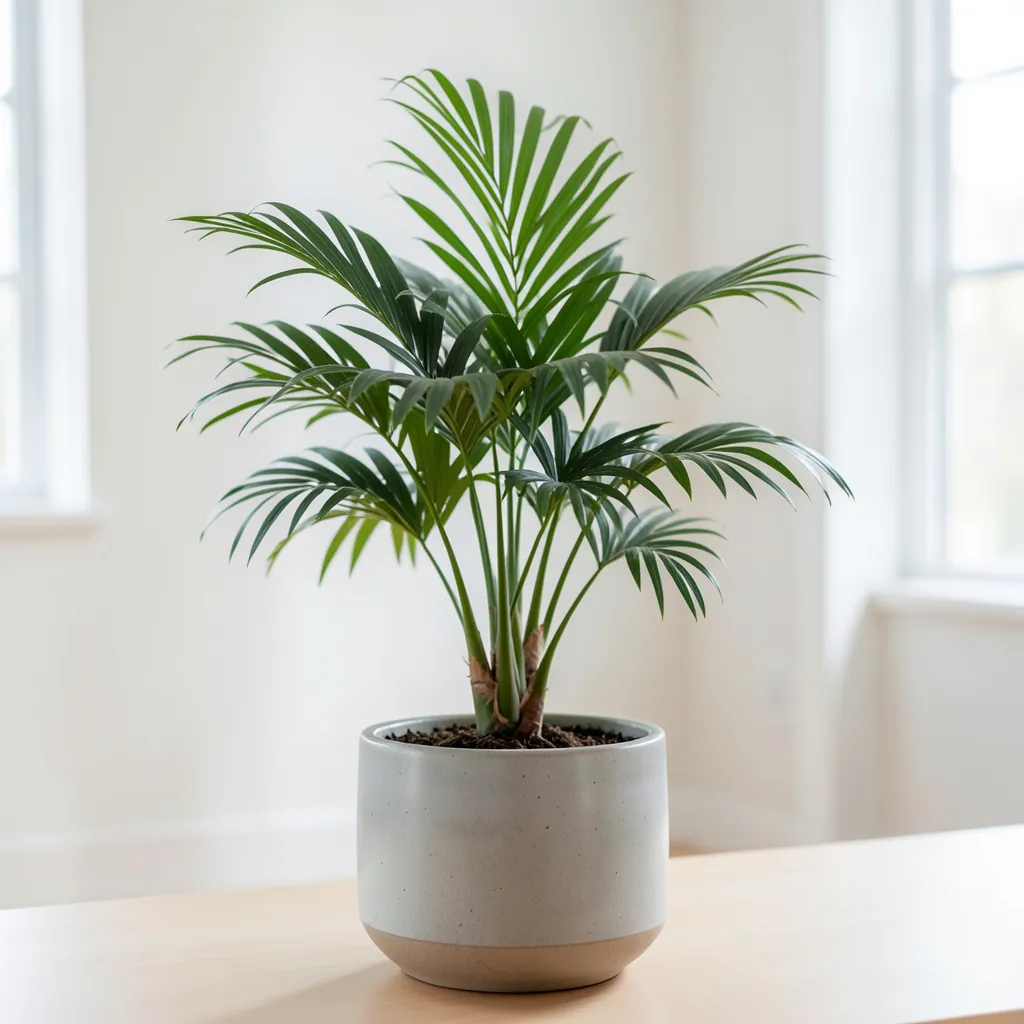
How to Care for a Ponytail Palm (Beaucarnea recurvata)
Contents
- Light
- Watering
- Humidity and Temperature
- Soil and Fertilizer
- Repotting
- Propagation
- 🩺 Common Problems
- 🐾 Pet Safety and Toxicity
- 💡 Care Tips
- ❓ FAQ
🪴 The ponytail palm is a striking, low-maintenance houseplant with cascading green leaves and a bulbous trunk that stores water. Despite its name, it’s not a true palm but a succulent related to agave, thriving with minimal care and adding architectural interest to indoor spaces.
Light: Bright indirect to direct sun
Water: When top 1-2 inches of soil are dry
Humidity: Average (30-50%)
Temperature: 60-80°F (15-27°C)
Soil: Well-draining cactus/succulent mix
Difficulty: Easy
Toxicity: Pet-safe (non-toxic to cats and dogs)
Mature Size: 2-4 ft indoors (up to 30 ft outdoors)
Light
How much light does a ponytail palm need?
Ponytail palms thrive in bright, indirect light but tolerate direct morning sun. Signs of too little light include elongated, leggy growth and leaning stems. Too much intense midday sun may scorch leaves, causing brown tips. South- or west-facing windows are ideal. Avoid placing more than 50cm from a window.
Watering
How often should I water my ponytail palm?
Water deeply only when the top 1-2 inches of soil are dry (typically every 4-6 weeks). Reduce frequency in winter (every 8+ weeks). Overwatering causes root rot—signs include yellow leaves, mushy trunk, and a wobbly base. Always use pots with drainage holes and discard excess water.
Humidity and Temperature
What humidity and temperature are best?
Average household humidity (30-50%) is sufficient. Brown leaf tips may indicate low humidity—mist occasionally or use a pebble tray. Maintain temperatures between 60-80°F (15-27°C); avoid drafts and temps below 50°F (10°C).
Soil and Fertilizer
What soil and fertilizer should I use?
Use a fast-draining cactus/succulent mix (or blend potting soil with sand/perlite). Fertilize sparingly: apply a diluted cactus fertilizer 1-2 times during spring/summer. Avoid fertilizing in winter.
Repotting
When and how do I repot?
Repot every 3-5 years when root-bound:
- Water the plant 12 hours before repotting.
- Choose a pot 1-2 inches wider with drainage.
- Partially fill with fresh cactus mix.
- Place the rootball, keeping the caudex above soil.
- Fill gaps without compacting soil.
- Wait 2 weeks before watering.
Propagation
How do I propagate a ponytail palm?
- Remove a healthy “pup” (offset) at least 4 inches tall.
- Let the cut end dry for 1-2 days.
- Plant in cactus mix, burying 1/3 of the stem.
- Water lightly and place in bright indirect light.
- New growth indicates successful rooting (may take months).
🩺 Common Problems
| Symptom | Cause | Fix |
|---|---|---|
| Yellow leaves | Overwatering/root rot | Repot in dry soil; trim rotten roots |
| Brown tips | Low humidity/sunburn | Mist leaves or move from direct sun |
| Mushy trunk | Severe overwatering | Often fatal; attempt propagation |
| Drooping leaves | Underwatering | Soak pot in water for 10 minutes |
| No growth | Low light/cold temps | Move to brighter, warmer spot |
🐾 Pet Safety and Toxicity
Ponytail palms are non-toxic to cats and dogs (ASPCA-approved). However, their serrated leaf edges may cause minor mouth irritation if chewed.
💡 Care Tips
- Water from the bottom to prevent caudex rot.
- Rotate the pot occasionally for even growth.
- Wipe leaves with a damp cloth to deter pests.
- Avoid frequent repotting—they thrive when slightly root-bound.
❓ FAQ
Is ponytail palm toxic to pets?
No, but sharp leaves may irritate mouths.
Why are leaves turning yellow?
Usually overwatering; check for mushy trunk.
How fast does it grow?
Very slow—1-2 inches per year indoors.
Can I grow it outdoors?
Only in USDA zones 9-11; protect from frost.
Should I cut brown tips?
Yes, trim with clean scissors for aesthetics.
Related guides
- How to Care for Aloe Vera: A Complete Guide to Thriving Plants
- Echeveria Care Guide
- Haworthia Care Guide
- How to Care for String of Pearls Plants (Curio rowleyanus)
- How to Propagate Succulents: A Complete Care Guide