How to Care for String of Pearls Plants
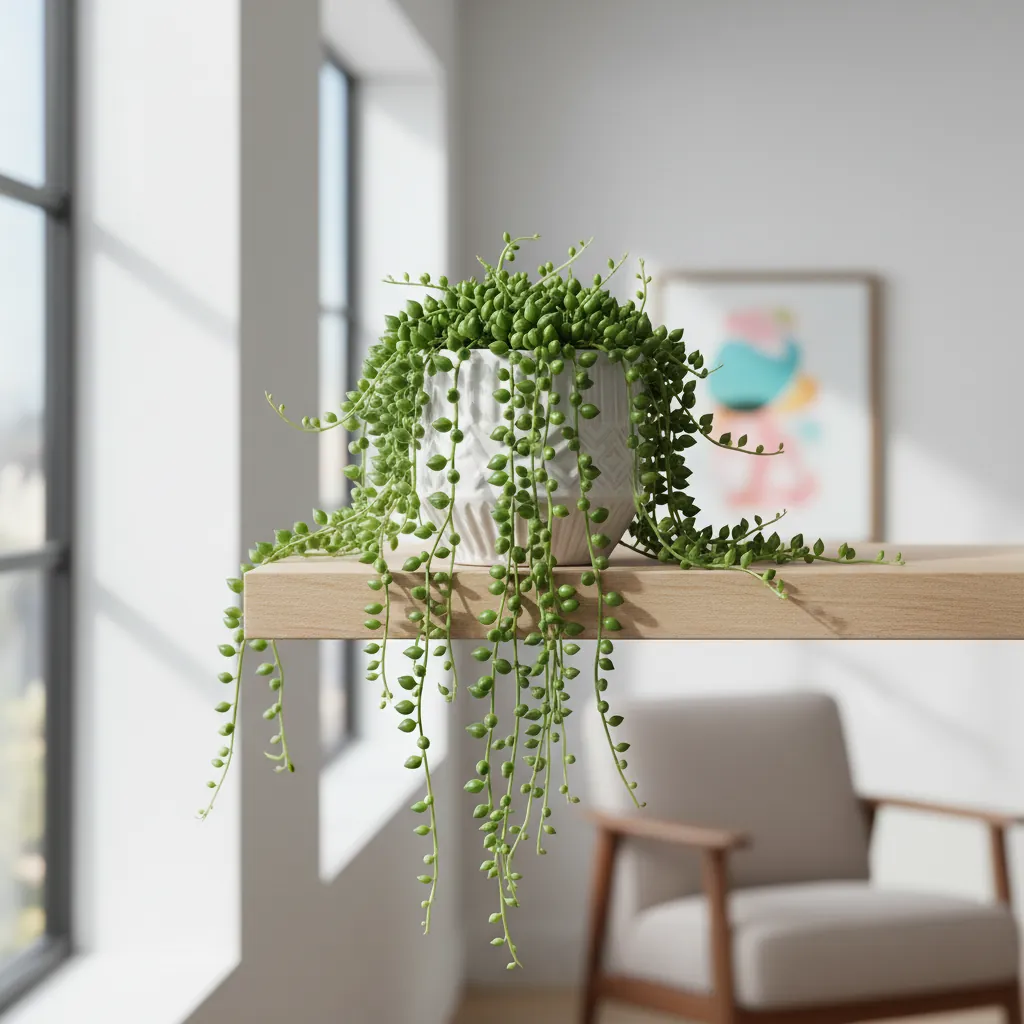
How to Care for String of Pearls Plants
Contents
- Quick Care Summary
- How Often Should I Water My String of Pearls?
- What Light Is Best for String of Pearls?
- What Soil Is Best for String of Pearls?
- How Do I Propagate String of Pearls?
- What Are Common Problems with String of Pearls?
The String of Pearls (Senecio rowleyanus) is a unique trailing succulent known for its cascading stems adorned with bead-like, pea-shaped leaves. Native to East Africa, this plant is a favorite among houseplant enthusiasts for its striking appearance and low-maintenance care requirements. Its ability to thrive in bright, indirect light and its drought-tolerant nature make it a popular choice for indoor spaces.
Quick Care Summary
- Light: Bright, indirect light (4-6 hours daily); tolerates low light but prefers partial shade to avoid scorching.
- Water: Water every 2-3 weeks in summer, less in winter; allow soil to dry out completely between waterings to prevent root rot.
- Humidity: Low humidity preferred; avoid misting.
- Temperature: Optimal range: 60-80°F (15-27°C); avoid temperatures below 50°F (10°C).
- Soil: Well-draining succulent or cactus mix; combine with perlite or coarse sand for better drainage.
- Toxicity: Mildly toxic to humans and pets if ingested.
How Often Should I Water My String of Pearls?
String of Pearls is drought-tolerant and highly sensitive to overwatering. Follow these guidelines:
- Growing Season (Spring/Summer): Water every 2-3 weeks when the soil is completely dry.
- Dormant Period (Fall/Winter): Reduce watering to once a month or less.
- Signs of Thirst: Shriveled or wrinkled pearls indicate dehydration; plump pearls mean the plant is well-hydrated.
- Watering Method: Bottom watering is recommended to avoid wetting the leaves. Ensure excess water drains completely.
- Avoid Overwatering: Overwatering leads to root rot, causing mushy, yellow leaves. If overwatered, repot in fresh, dry soil and trim damaged roots.
What Light Is Best for String of Pearls?
String of Pearls thrives in bright, indirect light but can tolerate partial shade. Here’s how to manage light:
- Indoors: Place near an east or west-facing window for 4-6 hours of indirect light daily. Use LED grow lights if natural light is insufficient.
- Outdoors: Choose a spot with morning sun and afternoon shade to prevent leaf scorching.
- Too Little Light: Low light causes leggy growth and pale leaves. Increase light exposure gradually.
- Direct Sunlight: Avoid prolonged direct sunlight, especially during peak hours, as it can burn the leaves.
What Soil Is Best for String of Pearls?
Proper soil is critical for preventing root rot and ensuring healthy growth:
- Mix: Use a well-draining succulent or cactus mix. Add perlite or coarse sand for extra drainage.
- Pot: Choose a pot with drainage holes. Shallow, wide pots are ideal due to the plant’s shallow root system.
- Soil Level: Ensure the crown of the plant sits at or above the pot’s rim to promote airflow and prevent rotting.
How Do I Propagate String of Pearls?
Propagation is easy and can be done in three ways:
-
Stem Cuttings:
- Cut a healthy stem 4-5 inches long.
- Remove pearls from the bottom 1-2 inches.
- Place the cutting in soil or water.
- Roots will form in 2-3 weeks.
-
Layering:
- Lay a healthy stem on top of soil in a new pot.
- Lightly cover the stem with soil.
- Roots will develop at the nodes.
-
Leaf Propagation:
- Remove a few pearls and place them on soil.
- Mist lightly until roots develop.
What Are Common Problems with String of Pearls?
Yellow Leaves
Cause: Overwatering, underwatering, or nutrient deficiency.
Solution: Adjust watering schedule and fertilize with a balanced succulent fertilizer every 2-4 weeks during the growing season.
Shriveled Pearls
Cause: Underwatering, excessive sunlight, or low humidity.
Solution: Increase watering frequency slightly and move the plant to a spot with indirect light.
Root Rot
Cause: Overwatering or poor drainage.
Solution: Repot in fresh, dry soil and trim damaged roots. Ensure the pot has adequate drainage.
Pests (Mealybugs, Spider Mites)
Cause: Poor airflow or contaminated soil.
Solution: Treat with insecticidal soap or neem oil. Isolate the plant to prevent spreading.
FAQ
Is String of Pearls toxic to pets?
Yes, it is mildly toxic to cats, dogs, and humans if ingested. Keep it out of reach of pets and children.
Why are my String of Pearls leaves turning yellow?
Yellow leaves are often a sign of overwatering, underwatering, or nutrient deficiency. Check your watering schedule and fertilize as needed.
Can String of Pearls grow in low light?
While it tolerates low light, String of Pearls prefers bright, indirect light for optimal growth. Low light may cause leggy growth and pale leaves.
How often should I fertilize String of Pearls?
Fertilize every 2-4 weeks during the growing season (spring/summer) with a balanced succulent fertilizer. Avoid fertilizing in winter.
Why are my String of Pearls shriveling?
Shriveled pearls indicate underwatering or excessive sunlight. Water more frequently and move the plant to a spot with indirect light.
Related guides
- How to Care for Aloe Vera: A Complete Guide to Thriving Plants
- Jade Plant Care Guide
- Ultimate Succulent Care Guide
- Bird of Paradise Plant Care: Complete Indoor Growing Guide
- Boston Fern Care Guide: How to Keep Your Fern Thriving