repot cheese plant
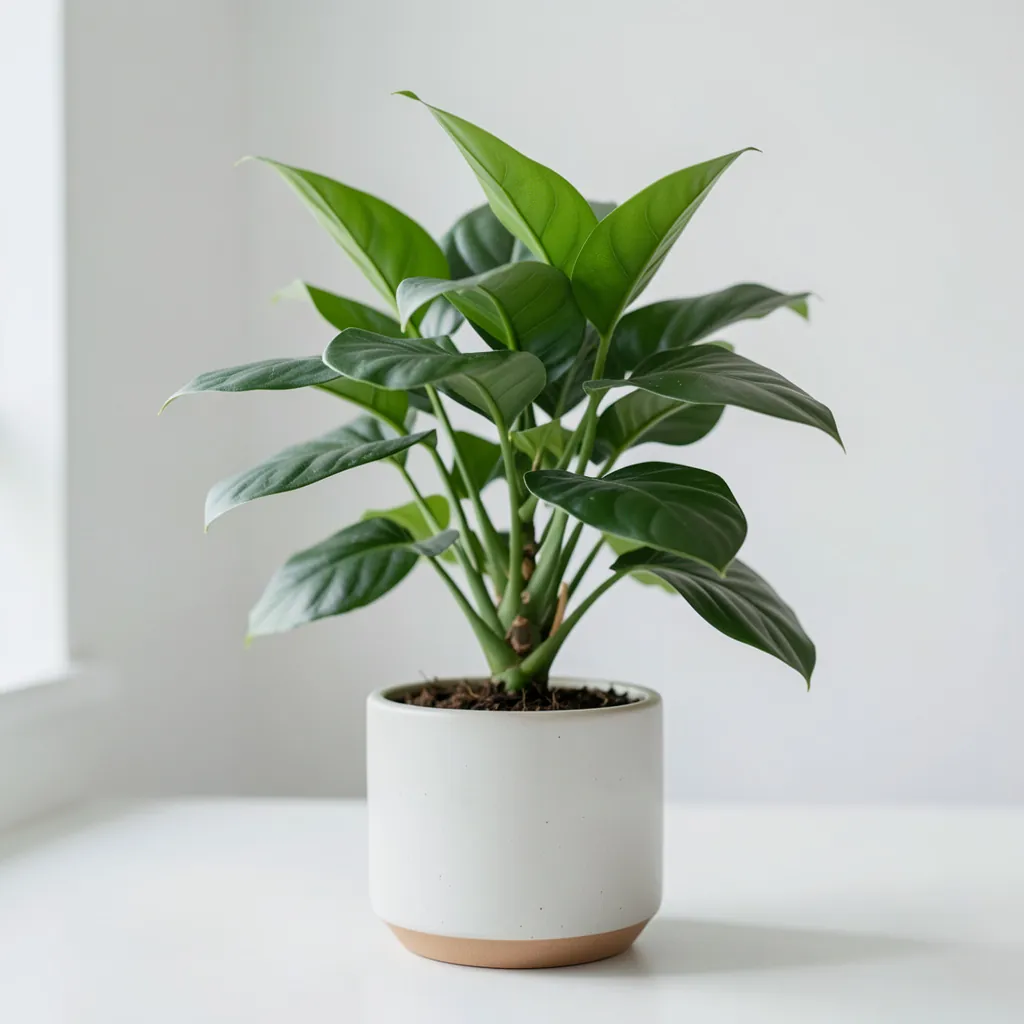
Contents
- Light
- Watering
- Humidity and Temperature
- Soil and Fertilizer
- Repotting
- Propagation
- 🩺 Common Problems
- 🐾 Pet Safety and Toxicity
- 💡 Care Tips
- ❓ FAQ
🪴 The Swiss cheese plant (Monstera deliciosa) is a popular tropical houseplant known for its large, fenestrated leaves and climbing habit. It’s favored for its easy care and dramatic foliage, making it ideal for both beginners and experienced plant enthusiasts.
Light: Bright indirect
Water: When the top 2 inches of soil are dry
Humidity: Average to high
Temperature: 65-80°F (18-27°C)
Soil: Well-draining, rich in organic matter
Difficulty: Easy
Toxicity: Toxic to cats and dogs
Mature Size: Up to 8 ft (2.5 m) indoors
Light
Provide bright, indirect light to mimic its natural jungle canopy habitat. Direct sunlight scorches leaves (signs: brown patches), while low light causes small leaves without fenestrations. Rotate the plant monthly for even growth.
Watering
Water when the top 2 inches of soil are dry. Reduce frequency in winter. Overwatering causes yellow leaves and root rot (mushy stems); underwatering leads to crispy leaf edges. Always use pots with drainage holes.
Humidity and Temperature
Prefers 40-60% humidity. Mist leaves weekly or use a humidifier in dry climates. Keep temperatures between 65-80°F (18-27°C); avoid drafts and sudden temperature drops below 50°F (10°C).
Soil and Fertilizer
Use a peat-free, well-draining mix (e.g., equal parts potting soil, orchid bark, and perlite). Feed every 2 weeks in spring/summer with balanced liquid fertilizer diluted to half strength; pause in winter.
Repotting
Repot every 1-2 years in spring when roots emerge from drainage holes or growth slows. Steps:
- Choose a pot 2-3 inches wider with drainage.
- Gently remove the plant; trim rotten roots (black/mushy).
- Add fresh soil, place the plant slightly deeper, and fill gaps.
- Water thoroughly and stake if needed.
Conflicting advice: One source suggests annual repotting for young plants, while another advises only topsoil refreshment for mature specimens.
Propagation
- Cut a stem below a node (aerial root included).
- Place in water or moist soil.
- Keep in bright indirect light until roots form (4-6 weeks).
🩺 Common Problems
| Symptom | Cause | Fix |
|---|---|---|
| Yellow leaves | Overwatering | Reduce watering; check roots |
| Brown/crispy tips | Low humidity/underwatering | Mist; water more consistently |
| Mushy stems | Root rot | Trim rotten roots; repot |
| Small leaves | Low light | Move to brighter spot |
🐾 Pet Safety and Toxicity
Swiss cheese plants contain calcium oxalate crystals, which are toxic if ingested by cats or dogs. Symptoms include drooling, vomiting, and oral irritation. Keep out of reach or opt for pet-safe alternatives.
💡 Care Tips
- Wipe leaves monthly to remove dust.
- Avoid overpotting to prevent soggy soil.
- Rotate the plant for balanced growth.
- Use a moss pole for climbing support.
❓ FAQ
How often should I water?
When the top 2 inches of soil are dry (~weekly in summer, less in winter).
Is it toxic to pets?
Yes, toxic to cats and dogs if ingested.
Why are my leaves turning yellow?
Usually from overwatering or poor drainage.
Can I grow it in low light?
It tolerates medium light but thrives in bright indirect light.
Related guides
- How to Care for Alocasia: A Complete Guide
- Areca Palm Care Guide
- Best Plants for Bathrooms: Top Picks for High Humidity
- bird of paradise care guide
- Bird of Paradise Plant Care: Complete Indoor Growing Guide