Prayer Plant Care Guide
Prayer Plant Care Guide
Contents
- Quick Care Summary
- How Often Should I Water My Prayer Plant?
- What’s the Best Light for a Prayer Plant?
- What Soil and Potting Mix Works Best?
- How Do I Propagate a Prayer Plant?
- How Do I Fix Common Prayer Plant Problems?
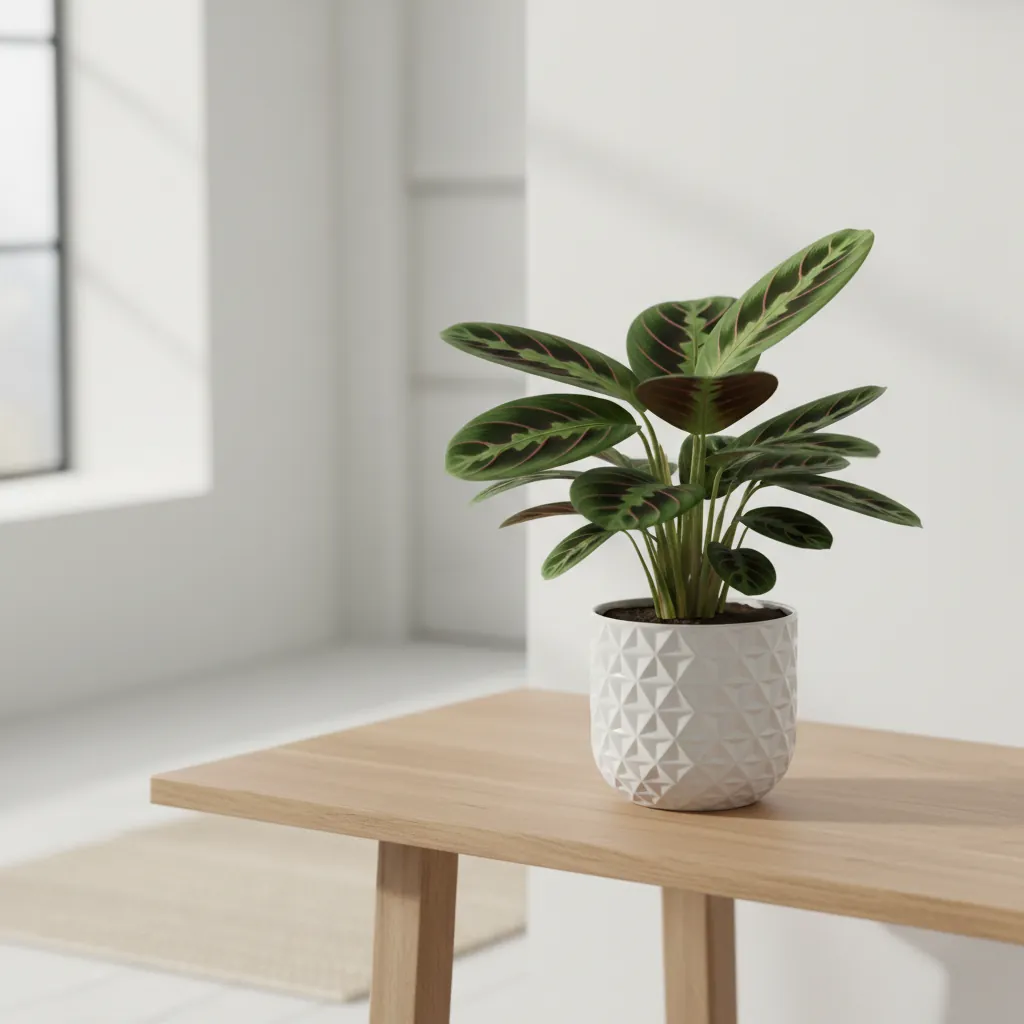
The Prayer Plant (Maranta leuconeura) is a popular houseplant known for its striking foliage and unique nighttime leaf-folding behavior, resembling hands in prayer. Its vibrant, patterned leaves and relatively easy care make it a favorite for indoor gardeners.
Quick Care Summary
- Light: Bright, indirect light; avoid direct sun.
- Water: Keep soil consistently moist but not soggy. Water when the top inch of soil is dry.
- Humidity: Prefers high humidity (50%+). Use a humidifier or pebble tray if needed.
- Temperature: Keep between 65–85°F (18–29°C); avoid cold drafts.
- Soil: Well-draining, peat-based or coco coir mix with perlite.
- Toxicity: Non-toxic and pet-safe.
How Often Should I Water My Prayer Plant?
Prayer Plants thrive in consistently moist soil but hate being waterlogged. Water when the top inch of soil feels dry to the touch, ensuring excess water drains out of the pot. Overwatering can lead to root rot, while underwatering causes drooping leaves.
Pro Tip: Reduce watering frequency in winter when growth slows.
What’s the Best Light for a Prayer Plant?
Prayer Plants prefer bright, indirect light, mimicking their natural rainforest habitat. Avoid direct sunlight, which can scorch the leaves. Place them near an east or north-facing window or use a sheer curtain to diffuse intense light. In low light, leaves may lose their vibrant patterns.
Pro Tip: Rotate the plant weekly to promote even growth.
What Soil and Potting Mix Works Best?
Use a well-draining, peat-based or coco coir mix with perlite to retain moisture without waterlogging. Ensure the pot has drainage holes to prevent root rot. Repot every 1-2 years in a container one size larger to refresh the soil and accommodate root growth.
How Do I Propagate a Prayer Plant?
Propagation is simple via stem cuttings or division:
- Stem Cutting: Cut a healthy stem just below a node, place in water until roots form, then plant in soil.
- Division: Gently separate the plant during repotting, ensuring each section has roots, and replant.
Best Time: Spring or early summer during active growth.
How Do I Fix Common Prayer Plant Problems?
Yellow Leaves
- Cause: Overwatering or poor drainage.
- Fix: Reduce watering and ensure the pot has drainage holes.
Brown Leaf Edges
- Cause: Low humidity, tap water chemicals, or direct sunlight.
- Fix: Increase humidity, use filtered or distilled water, and relocate to indirect light.
Pests (Spider Mites, Mealybugs)
- Fix: Wipe leaves with soapy water or use neem oil for infestations.
Root Rot
- Cause: Waterlogged soil.
- Fix: Remove affected roots, repot in fresh soil, and adjust watering habits.
FAQ
Why are my Prayer Plant’s leaves not folding at night?
Prayer Plants fold their leaves (nyctinasty) as part of their circadian rhythm. If leaves aren’t folding, it may be due to insufficient darkness, stress, or incorrect care. Ensure a consistent light/dark cycle and check for other issues like pests or improper watering.
Can Prayer Plants tolerate low light?
Yes, but they thrive best in bright, indirect light. Low light may result in leggy growth and less vibrant leaf patterns.
How often should I fertilize my Prayer Plant?
Feed with a balanced, diluted houseplant fertilizer every 4 weeks during spring and summer. Avoid fertilizing in winter.
Are Prayer Plants safe for pets?
Yes, Prayer Plants are non-toxic and safe for cats and dogs.
Related guides
- Bird of Paradise Plant Care: Complete Indoor Growing Guide
- Boston Fern Care Guide: How to Keep Your Fern Thriving
- Bromeliad Care Guide: How to Grow and Maintain Indoor Bromeliads
- Calathea Care Guide: How to Keep Your Prayer Plant Thriving
- Croton Plant Care: A Complete Guide