Philodendron Care: A Complete Guide to Thriving Houseplants
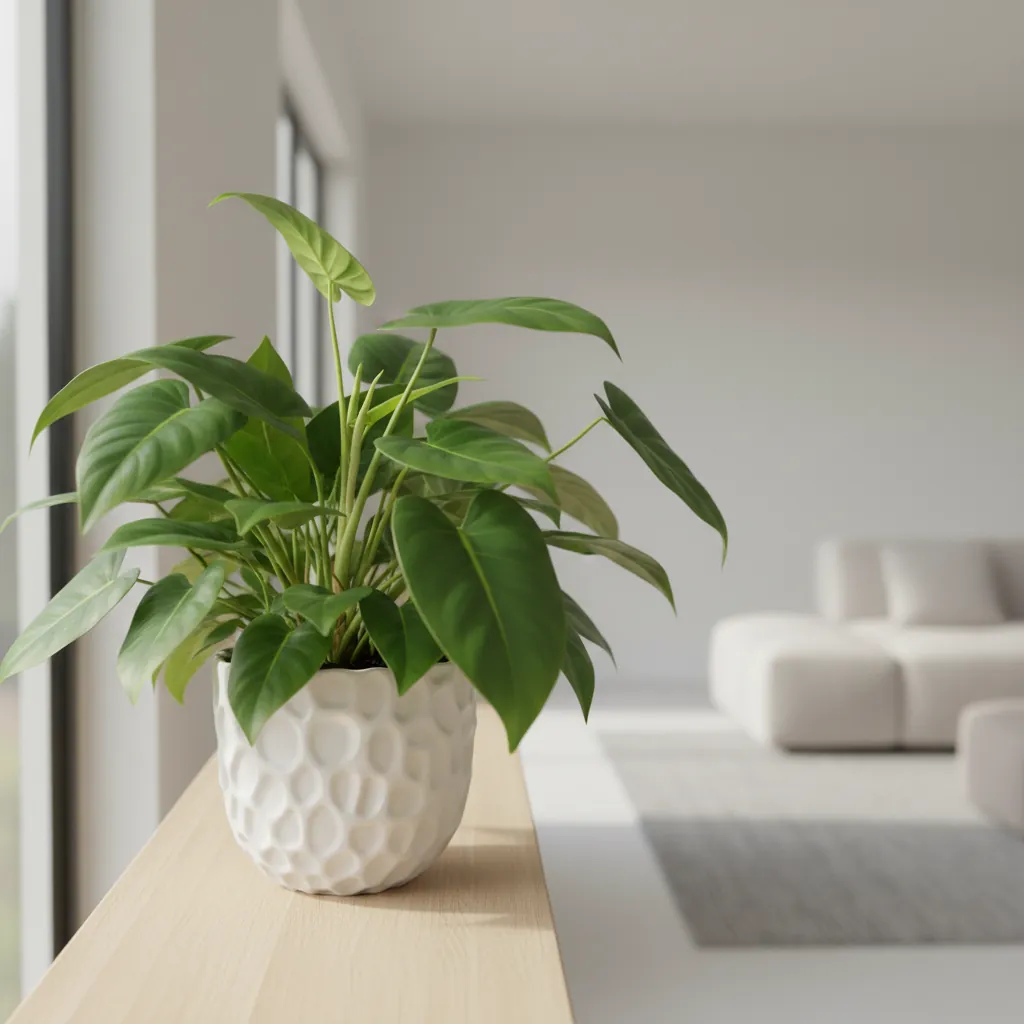
Philodendron Care: A Complete Guide to Thriving Houseplants
Contents
- Quick Care Summary
- How Often Should I Water My Philodendron?
- What’s the Best Light for a Philodendron?
- How Do I Repot a Philodendron?
- How Can I Propagate My Philodendron?
- What Are Common Philodendron Problems?
Philodendrons are popular tropical houseplants known for their lush foliage and easy-care nature. With over 480 species, these plants adapt well to indoor conditions, making them ideal for beginners and experienced plant owners alike. Their heart-shaped or lobed leaves add vibrant greenery to any space.
Quick Care Summary
- Light: Bright, indirect light (east/west-facing windows with sheer curtains).
- Water: Let the top 2–3 cm (1 inch) of soil dry between waterings; use pots with drainage holes.
- Humidity: Prefers >50% (mist leaves or use a humidifier if air is dry).
- Temperature: Ideal range: 18–27°C (65–80°F); avoid cold drafts.
- Soil: Well-draining mix (e.g., potting soil with perlite or coconut chips).
- Toxicity: Toxic to pets and humans if ingested (contains calcium oxalate crystals).
How Often Should I Water My Philodendron?
Water when the top 2–3 cm (1 inch) of soil is dry. Overwatering leads to root rot, while underwatering causes drooping leaves.
- Signs of overwatering: Yellow leaves, soggy soil.
- Signs of underwatering: Crispy leaf edges, slow growth.
Use room-temperature water and ensure pots drain fully.
What’s the Best Light for a Philodendron?
Philodendrons thrive in bright, indirect light:
- Ideal spots: East/west windows or 1–2 meters (3–6 feet) from a south window.
- Low-light tolerance: Some varieties (e.g., heartleaf philodendron) survive in low light but grow slower.
Avoid direct sun, which scorches leaves.
How Do I Repot a Philodendron?
Repot every 2–3 years or when roots outgrow the pot:
- Choose a pot 2–5 cm (1–2 inches) wider with drainage holes.
- Use a well-draining mix (e.g., potting soil + perlite + coconut chips).
- Trim any rotten roots and water lightly after repotting.
How Can I Propagate My Philodendron?
Stem cuttings are the easiest method:
- Cut a stem with 2–3 nodes below a leaf.
- Place in water or moist sphagnum moss until roots develop (2–4 weeks).
- Transplant to soil once roots are 5–7 cm (2–3 inches) long.
What Are Common Philodendron Problems?
| Issue | Cause | Solution |
|---|---|---|
| Yellow leaves | Overwatering, poor drainage | Adjust watering; ensure pot drains well. |
| Brown leaf tips | Low humidity, underwatering | Mist leaves or use a humidifier. |
| Pests (spider mites, mealybugs) | Dry air, infested nearby plants | Wipe leaves with soapy water; isolate plant. |
| Leggy growth | Low light | Move to brighter indirect light. |
FAQ
Q: Are philodendrons pet-safe?
A: No—they’re toxic if ingested. Keep away from cats/dogs.
Q: Why are my philodendron’s leaves small?
A: Likely due to low light or nutrient deficiency. Move to brighter light and fertilize monthly in growing season.
Q: Should I mist my philodendron?
A: Yes, if humidity is below 50%. Alternatively, use a pebble tray or humidifier.
Q: Can I grow philodendron in water forever?
A: Short-term: yes. Long-term: soil is better for nutrients. Change water weekly if hydroponic.
Related guides
- Monstera Care Guide
- How to Care for Aloe Vera: A Complete Guide to Thriving Plants
- Chinese Evergreen Care Guide
- Fiddle Leaf Fig Care Guide
- Jade Plant Care Guide